Physical Address
304 North Cardinal St.
Dorchester Center, MA 02124
Physical Address
304 North Cardinal St.
Dorchester Center, MA 02124
Helpful ideas. Squeaky value.
Helpful ideas. Squeaky value.
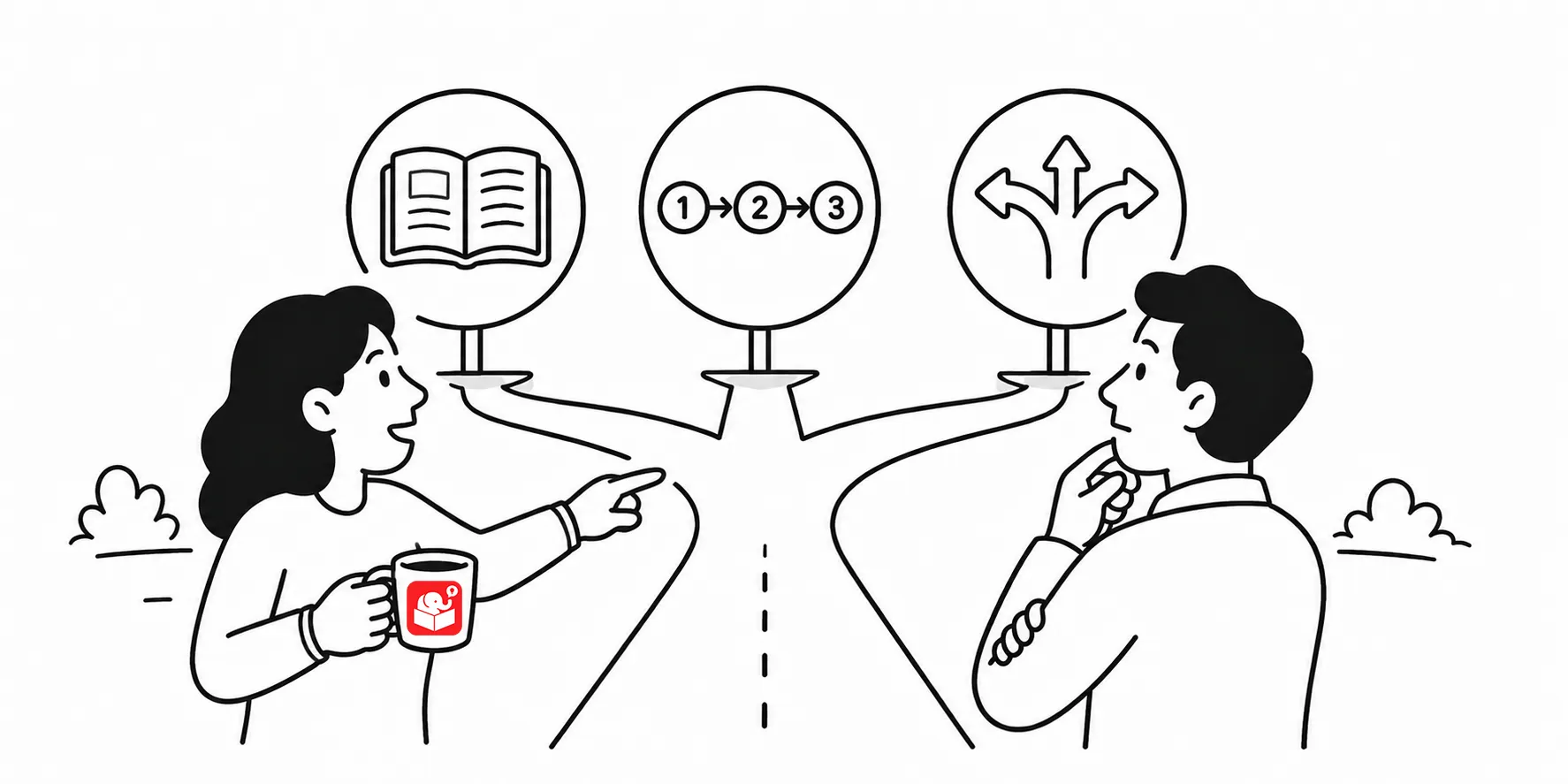
We get all sorts of requests for training. We already know that not every issue is solved by training. But when it is, it usually comes down this: are you sharing information, or are you changing behavior?
And then from there, I try keep it simple so courses don’t get overbuilt.
Not every e-learning request comes with clear objectives. If you’re hire to build the course, someone usually expects measurable results. And they come with more information and context. If you’re on an internal team, the decision to build training is often already made before you arrive.
The goal is to identify what learners should be able to do after the course. That question shapes everything else. Without it, you’re building a course for the sake of building one.
E-learning courses generally fall into one of three categories. Each serves a different purpose, and each requires a different design approach.
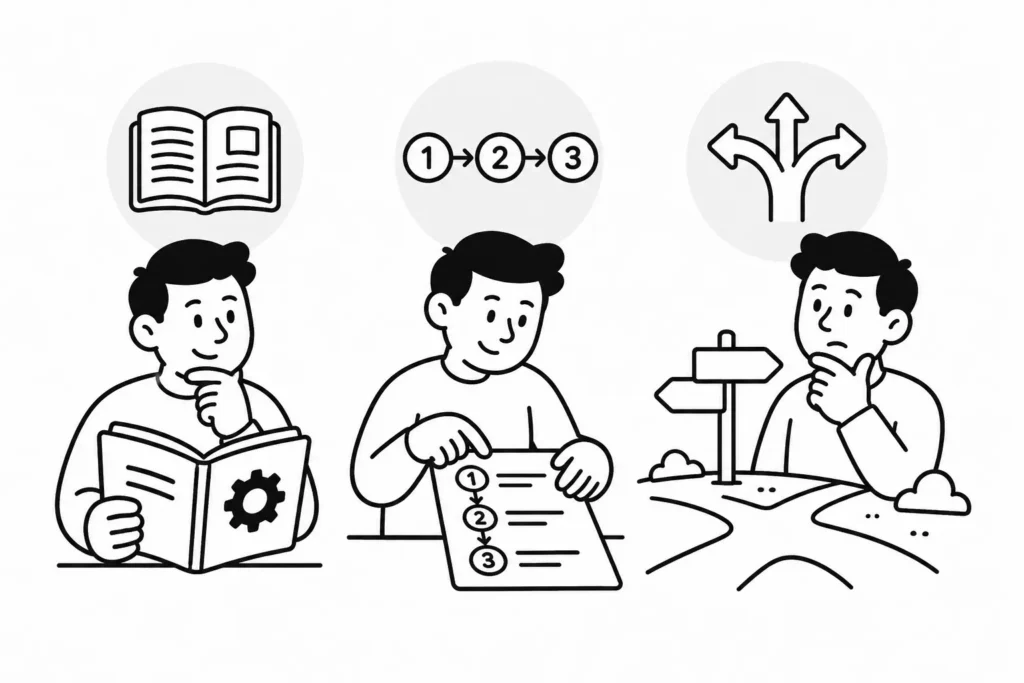
As noted above, the most important question before you build anything is whether the course carries a performance expectation. An explainer course and a principled decision-making course are not the same thing. Building one type when the training requres a differnt type wastes time and resources.
Explainer and procedure courses are easy to build because the content is usually clear. Principle-based courses require more nuanced design. There are no right answers to give away, so you have to build situations where learners can practice making decisions. And you need to provide good feedback. That takes more time than organizing content.
Knowing which type of course you’re building changes everything. It shapes how you scope the work, how you talk to stakeholders, and how you measure success. Make “what should learners be able to do?” the first question on your next project intake form. Your designs will get sharper, and your conversations with clients will too.