Physical Address
304 North Cardinal St.
Dorchester Center, MA 02124
Physical Address
304 North Cardinal St.
Dorchester Center, MA 02124
Helpful ideas. Squeaky value.
Helpful ideas. Squeaky value.
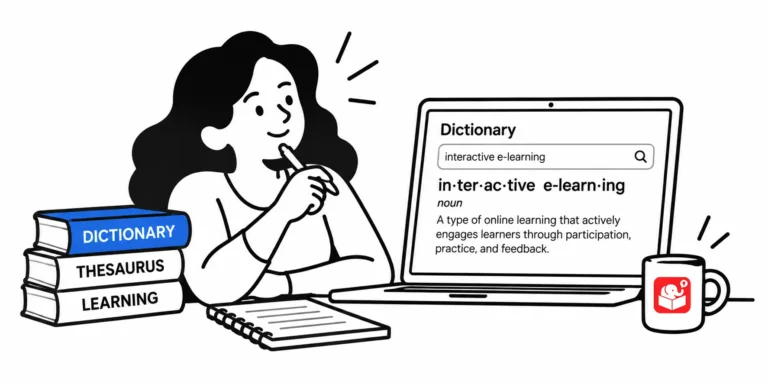
I hear "make it more interactive" constantly. But no one ever defines what that means. Once you understand the three main ways a course can be interactive, you can make smarter decisions about where to invest your development time.
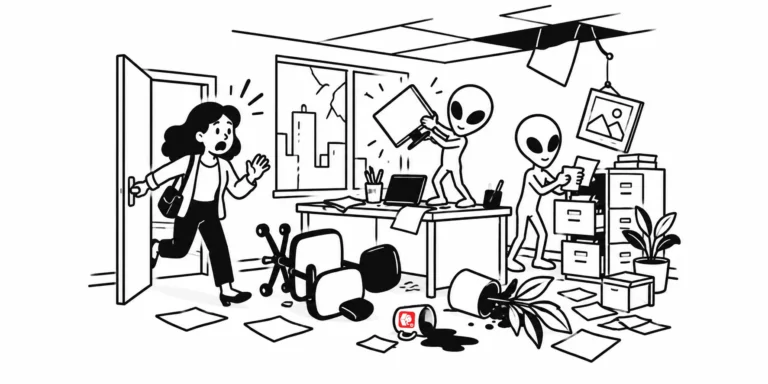
Real-world content can actually work against your course. Here's why flipping the scenario, even into something as odd as an alien abduction, keeps learners focused on the objective instead of the details they already know.
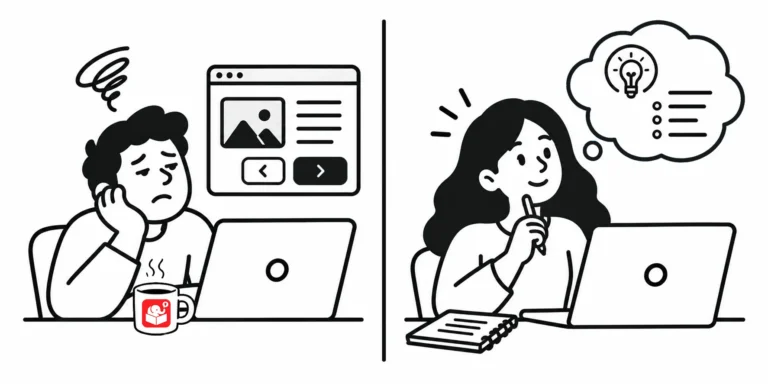
Stuck building another content-heavy compliance course? These 7 ideas show you how to add context, drama, and decision-making without a full redesign.
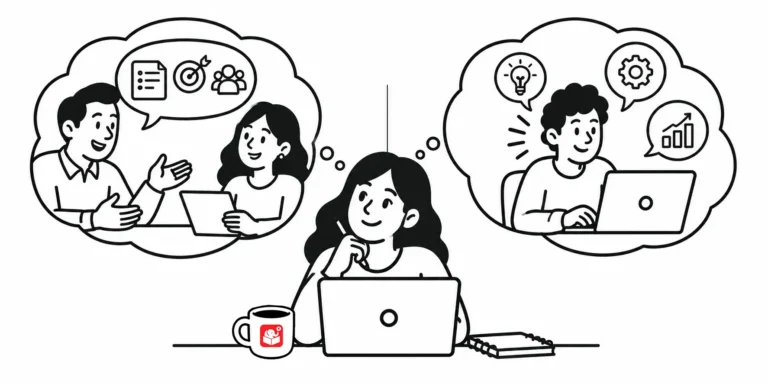
Every course has two sets of stakeholders with different priorities. The organization wants business outcomes, but the learner wants something relevant to their actual job. Bridging that gap is the real design challenge.
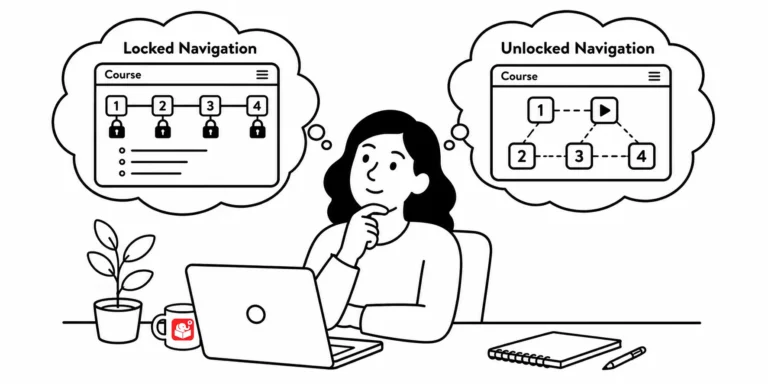
Locked course navigation is one of the most common e-learning frustrations, and it usually comes from good intentions gone wrong. This post breaks down why courses get locked and offers three practical ways to give learners more control without sacrificing your objectives.
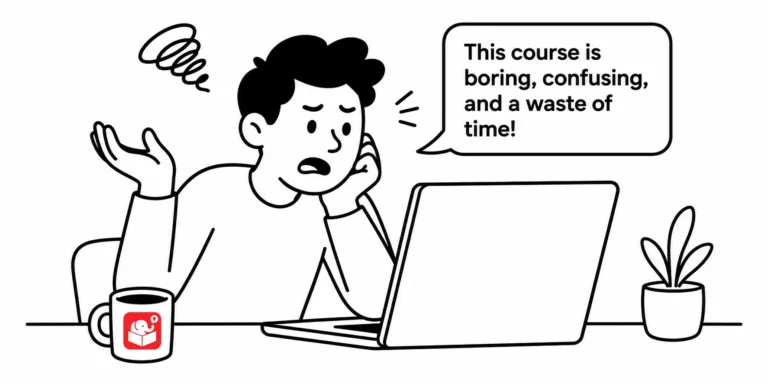
I asked a group of people to describe their training experiences. The same words kept appearing: boring, irrelevant, and a waste of time. That response is uncomfortable, but it's also a roadmap.
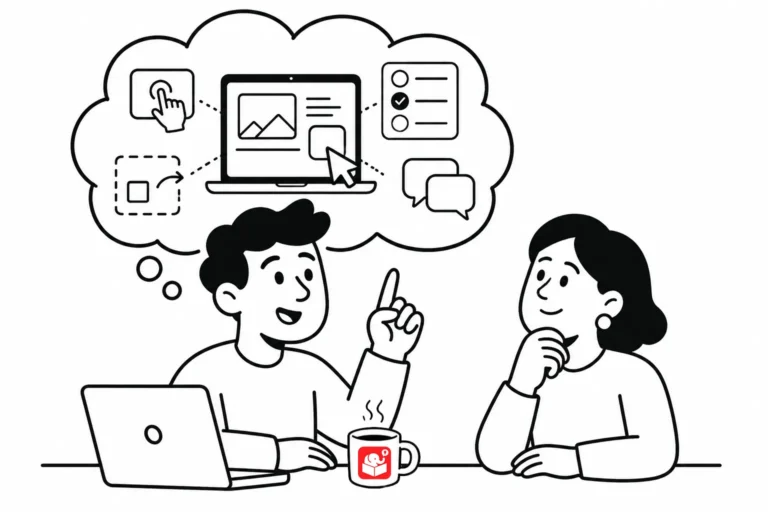
The most common e-learning courses follow a simple pattern: present information, click next. That's not learning. Three design shifts move courses away from click-and-forget content toward experiences where learners actually have to think.
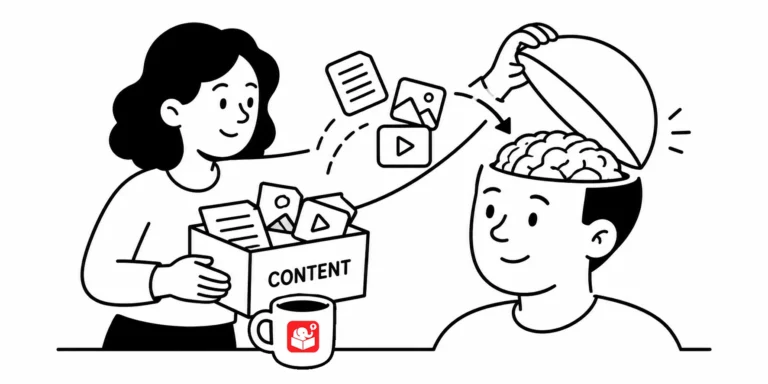
Learners don't remember everything you put in a course. They remember what their brains had room to process. Here's a quick look at cognitive load and three ways to design around it.
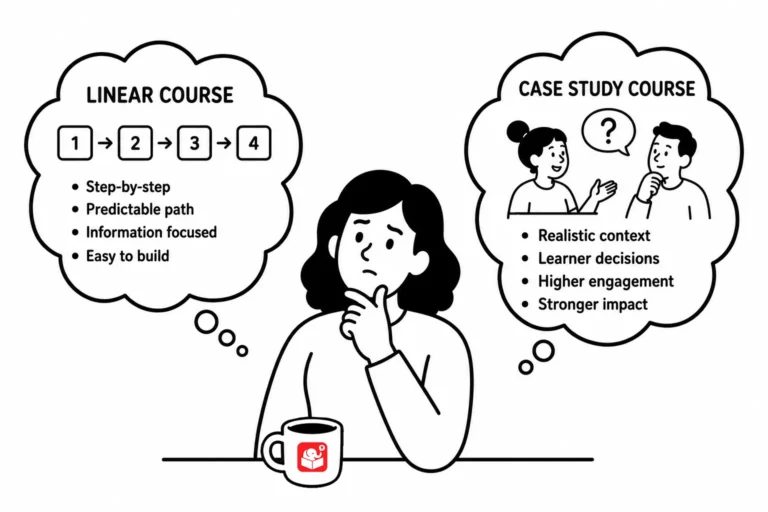
Skip the click-and-read information dump. Turn your content into a case study and build an e-learning course people actually remember.
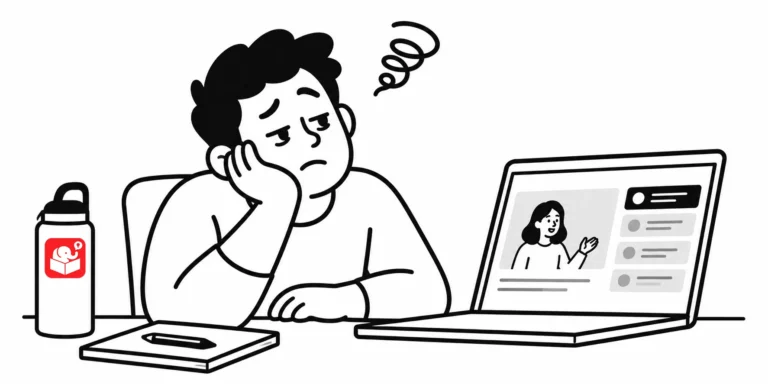
A course feels boring when learners can't see how it connects to their daily work. That disconnect is a design problem, not a content problem. The fix is building courses around what learners actually do, not just what they need to know.