Physical Address
304 North Cardinal St.
Dorchester Center, MA 02124
Physical Address
304 North Cardinal St.
Dorchester Center, MA 02124
Helpful ideas. Squeaky value.
Helpful ideas. Squeaky value.

A common pattern in e-learning is to list what people need to know and then quiz them on it. That approach measures recall, not understanding. Four design changes can close that gap.

Some courses need learners to prove they can do something. Others just need to build awareness. Here's a simple framework for figuring out which one you're building, and how to write objectives that actually match.

Most learning objectives end up as vague statements that look good on a slide but don't actually guide course design. There's an easier way to write them — one that keeps your course focused on what learners need to do, not just what they need to know.
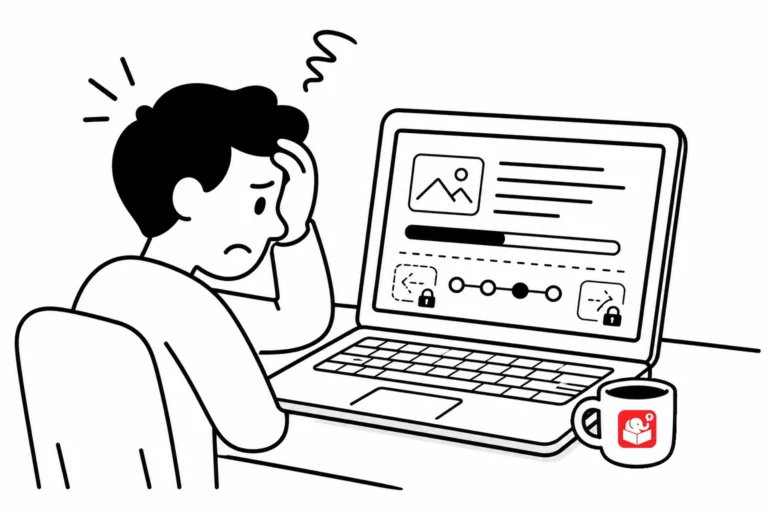
The instinct to lock every screen in a course is understandable. If learners can skip freely, how do you know they learned anything? The answer is in the assessment, not the navigation.
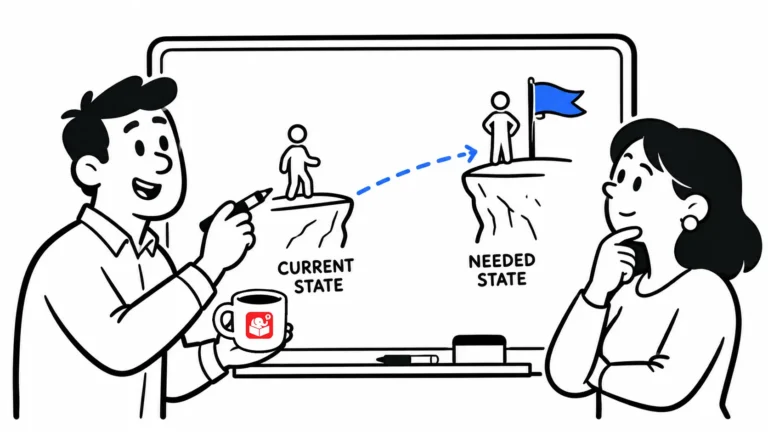
Before you build another course, figure out the objective it's supposed to meet. Here's how to stop starting with the solution and get better training results.
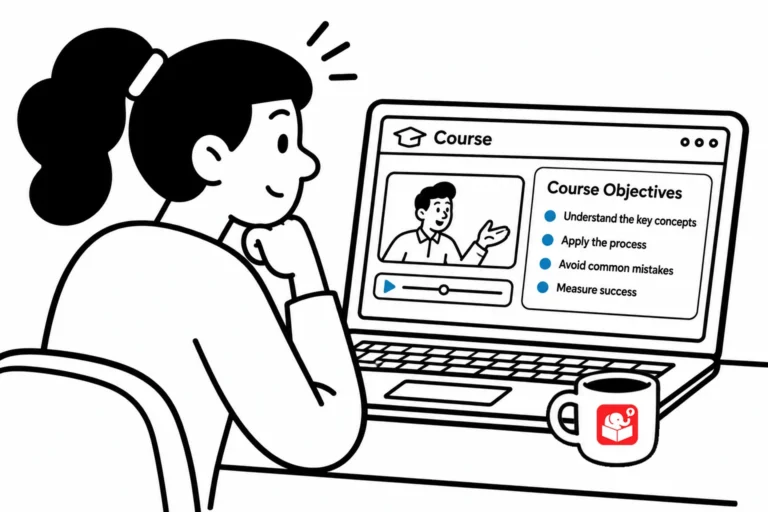
Most e-learning courses lead with a bulleted objectives screen that few learners read carefully. There's a better way to meet the requirement without losing the learner before the course even starts. This post covers two simple alternatives that reduce clutter and keep things moving.

Vague objectives, sloppy file management, and no clear content owner: these three roadblocks slow down almost every elearning project. Here's how to sidestep each one.