Physical Address
304 North Cardinal St.
Dorchester Center, MA 02124
Physical Address
304 North Cardinal St.
Dorchester Center, MA 02124
Helpful ideas. Squeaky value.
Helpful ideas. Squeaky value.
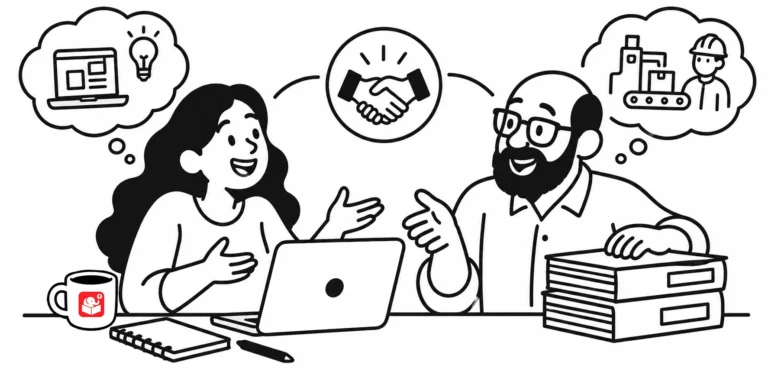
A good SME relationship pays off long after the project ends. This roundup of tips from other e-learning developers covers how to respect their time, earn their trust, and keep the door open for next time.
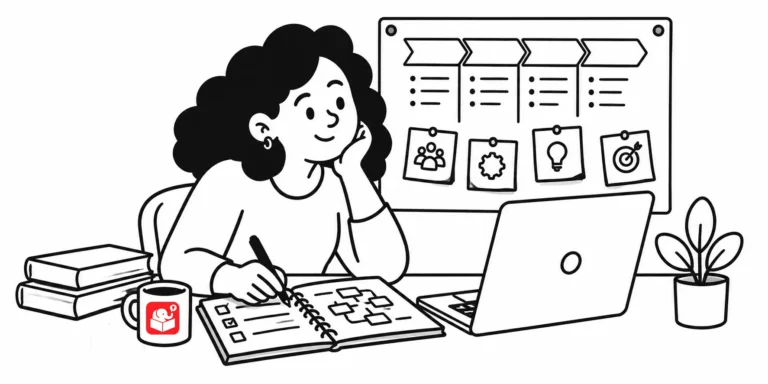
Most project plans look great on day one and get ignored by day three. You don't need a formal plan to keep an e-learning project on track. You just need to work through the right areas, and this post breaks them down.
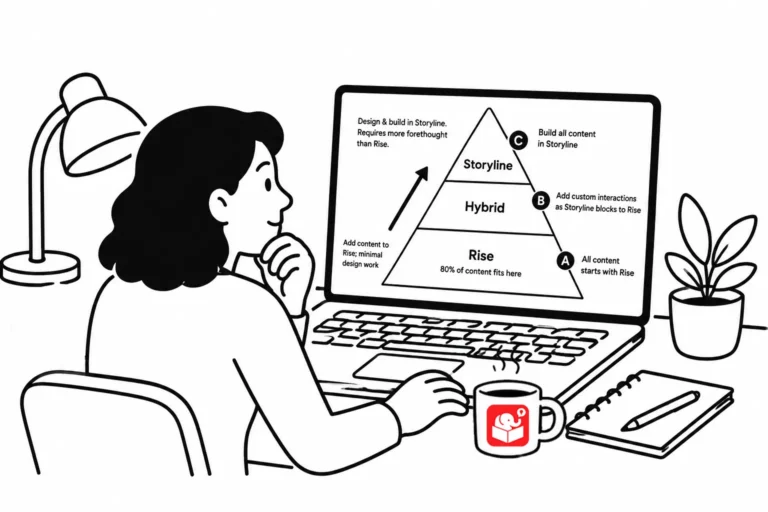
Every training request doesn't need to become a course. Here are three techniques for saving time and money while still delivering real value to your learners.

The ROI question comes up at every training conference. But the real challenge isn't calculating a number — it's knowing how to show that your work matters. Here are three approaches that actually work in practice.
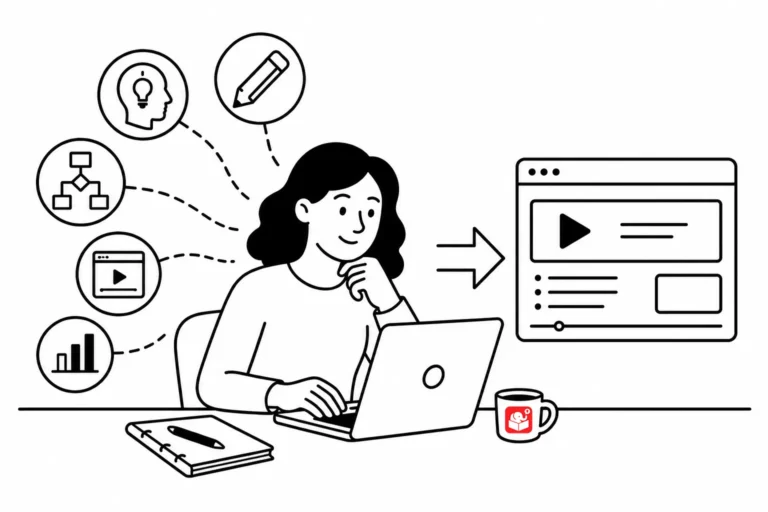
A lot of people think e-learning is just about speed. But speed only helps if you've set yourself up properly. The right tools, accessible assets, and a predefined course structure are what actually make rapid development work.
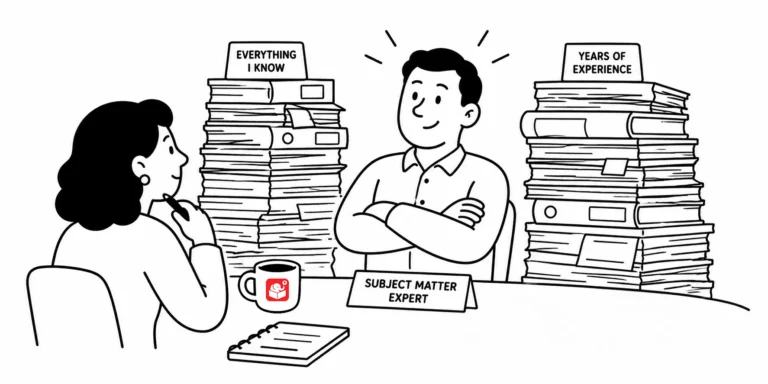
Subject matter experts have what your course needs and not much time to give it. How you manage the relationship before, during, and after each meeting determines whether your project flows or stalls. Here are seven habits that make it easier.
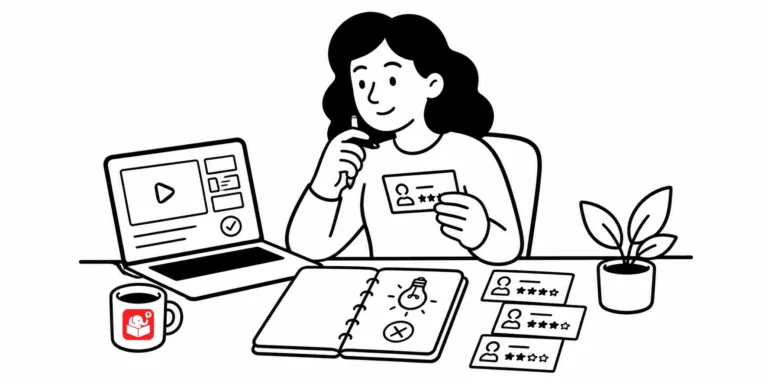
Most of us finish a course, hand it off, and move on. But what happens after launch matters more than most developers realize. Here are four things worth doing before you start the next project.

Most e-learning projects go sideways before the first slide is built. The problem usually isn't the design. It's what didn't get sorted out at the start. This post covers the discovery work that protects your project, and how to use AI in that process without ending up with content that sounds like it came from nowhere.
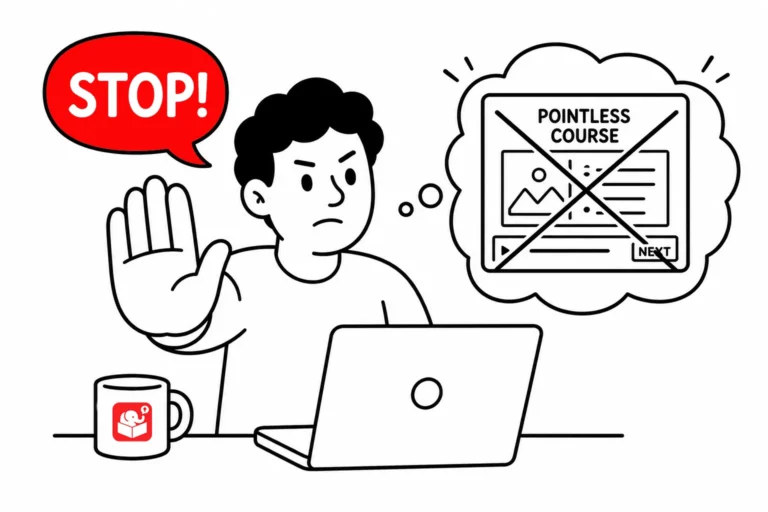
Every training request that comes in costs time and budget to fulfill. But not all of them actually need a course. Three strategies can help you do less without delivering less.
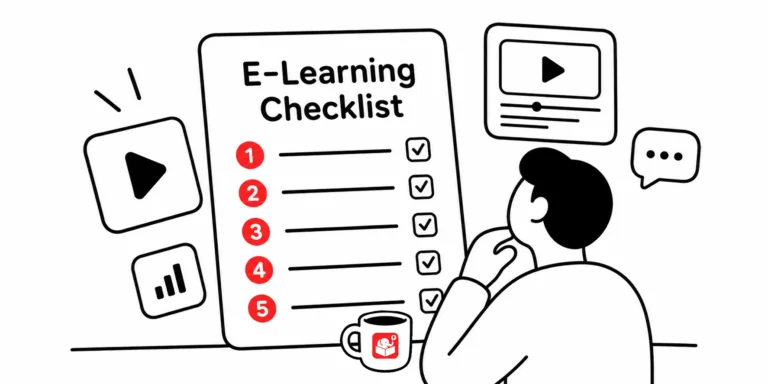
Launching an e-learning course without a review is like sending an email before you proofread it. Something will be off, and someone else will find it first. This checklist walks you through the ten areas to check before your course goes live.

Most e-learning projects go sideways not because of bad design, but because nobody asked the right questions up front. These seven questions help you build the right thing before you write a single learning objective.
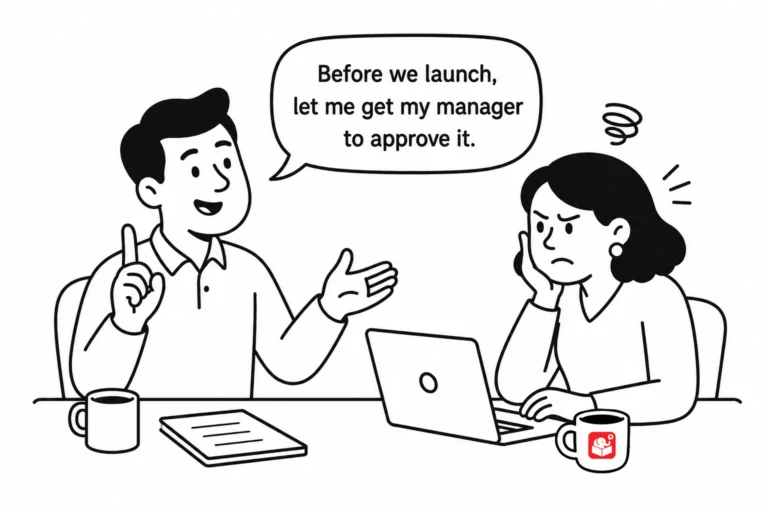
E-learning projects often derail right before launch, and it's rarely because of bad design. The real issue is that the final decision-maker wasn't involved until the end. This post shows you how to fix that before work begins.

Working with subject matter experts can make or break your training project. Here are practical tips for setting clear expectations and managing the relationship so your project stays on track.

Strong e-learning careers are built on more than technical skill. The designers who last manage expectations, stay goal-focused, and tell the story of their work. Start with one or two of these habits and build from there.
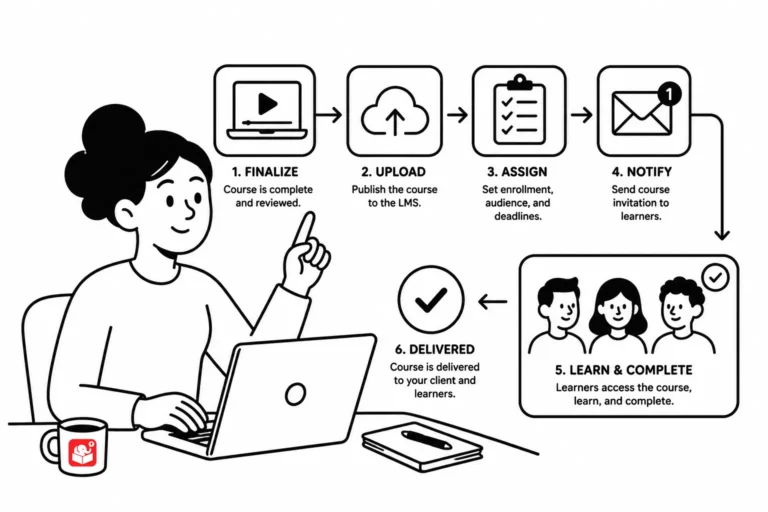
The client approved the course, and it's ready to upload. But who's distributing it, who's checking if it works, and who's keeping it current six months from now? These questions are easier to answer before launch than after.