Physical Address
304 North Cardinal St.
Dorchester Center, MA 02124
Physical Address
304 North Cardinal St.
Dorchester Center, MA 02124
Helpful ideas. Squeaky value.
Helpful ideas. Squeaky value.
Stuck building another content-heavy compliance course? These 7 ideas show you how to add context, drama, and decision-making without a full redesign.
Knowing something and being able to use it are different things. If your course needs learners to make better decisions, not just pass a quiz, the design has to go further than a content dump.
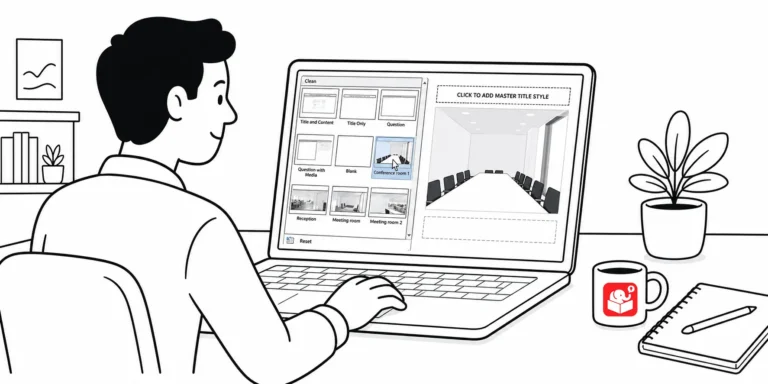
Every time you build a branched scenario in Storyline, you probably spend minutes hunting for background images. There's a better way. Two methods turn that setup into a one-time task.
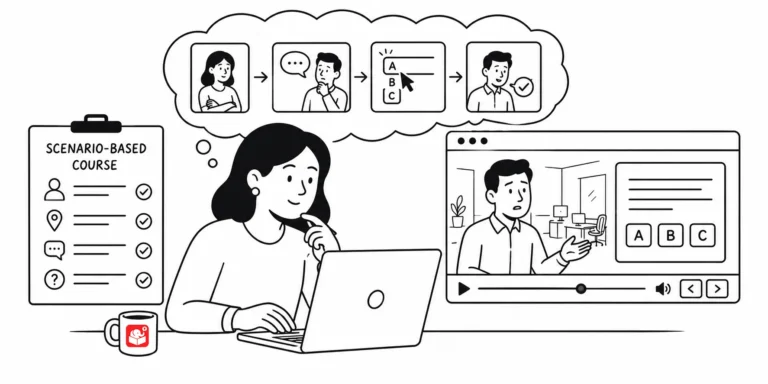
Most e-learning falls flat because it presents information and hopes something sticks. Scenario-based learning works because it gives learners a reason to need the content. Here's how to build one that works.
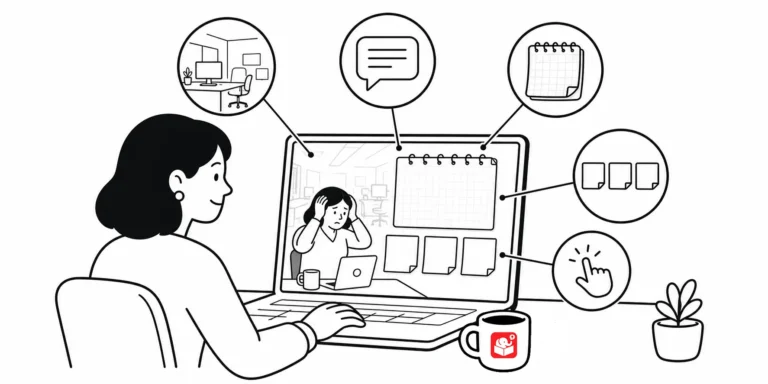
Once you've got the 3C model down for your scenario structure, the next challenge is building the visuals. Most people get stuck here because they don't know where to start. Breaking the design into five elements makes it manageable.
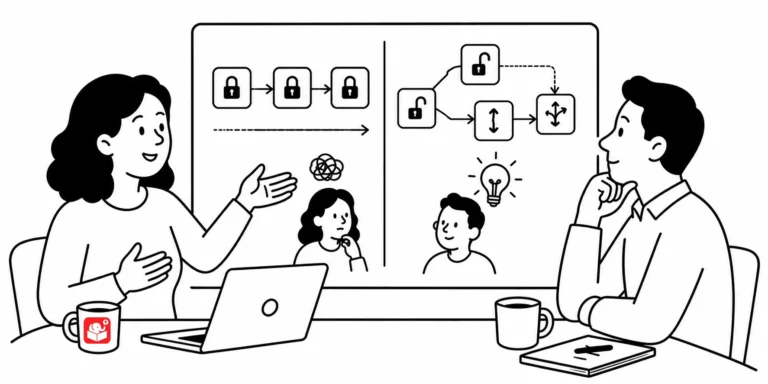
Locked course navigation is one of the most common requests in e-learning. But measuring screen time isn't the same as measuring learning. There's a better approach: shift from measuring exposure to measuring understanding.
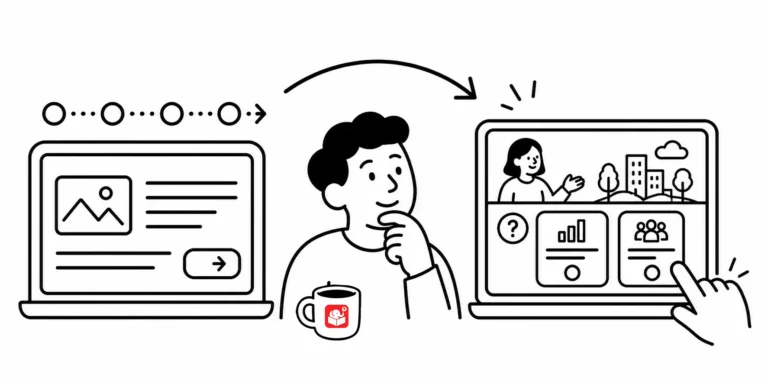
Making content interactive isn't the same as teaching people to make good decisions. Here's why so many e-learning courses stop short of the real work, and what it actually takes to build decision-making practice into your training.
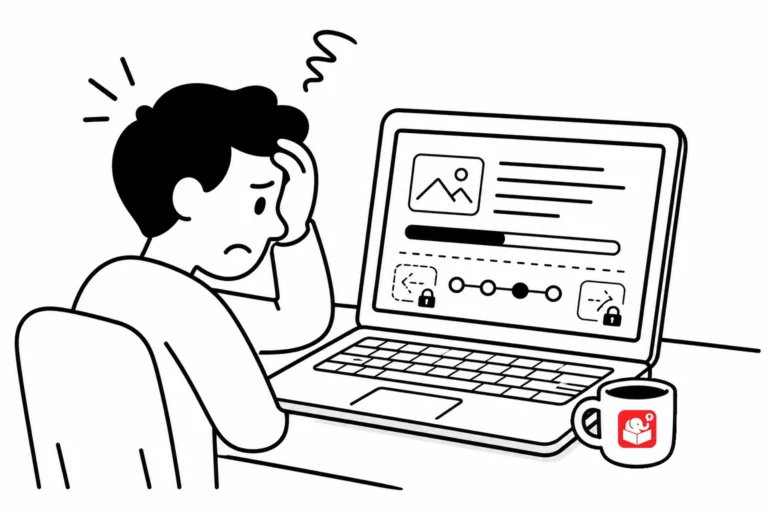
The instinct to lock every screen in a course is understandable. If learners can skip freely, how do you know they learned anything? The answer is in the assessment, not the navigation.
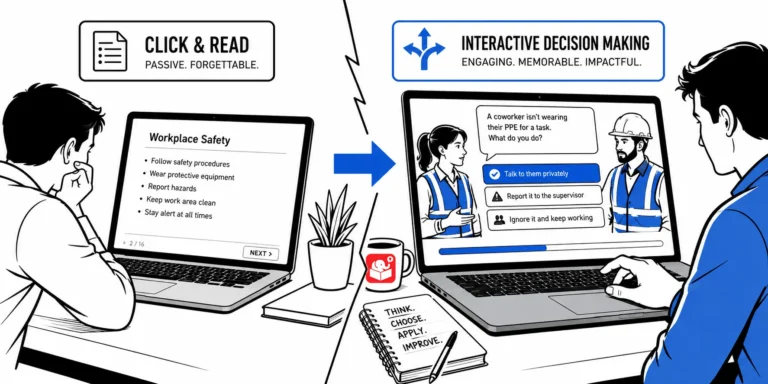
Most e-learning courses push information and call it training. The 3C model exists to fix that. It's a simple structure for building scenarios that put learners in real situations and let them practice making decisions.
A course feels boring when learners can't see how it connects to their daily work. That disconnect is a design problem, not a content problem. The fix is building courses around what learners actually do, not just what they need to know.
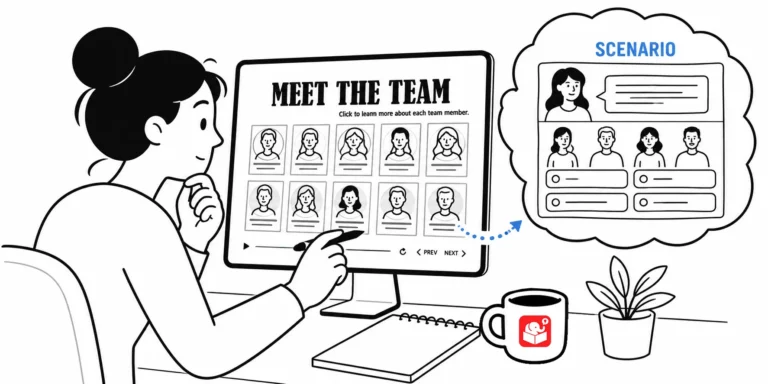
Most e-learning developers avoid gamification because it feels too complex to build quickly. But you can take a template you already have and add just a few interactive elements to change the experience entirely. Here's how a simple meet-the-team template became a decision-making challenge.
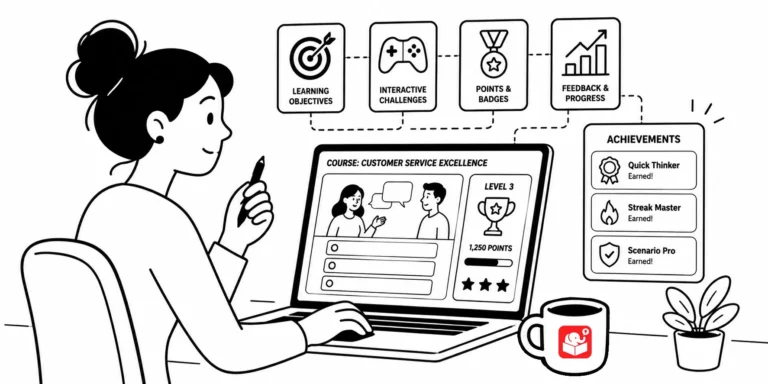
Gamification isn't just building a Jeopardy game. It's using game concepts like points, progress, and rewards to change how learners feel about a course, not just review facts at the end. Here's where to start, what you can build with variables, and a few examples to get your gears turning.
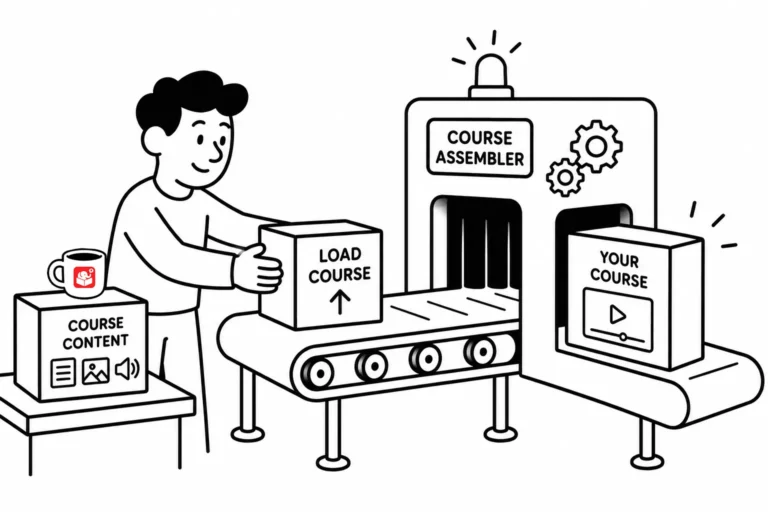
There's a pattern that shows up in almost every e-learning course. It follows objectives, content, and a quiz, then repeats. That structure works sometimes, but it often leaves a gap between what learners see and what they need to do.
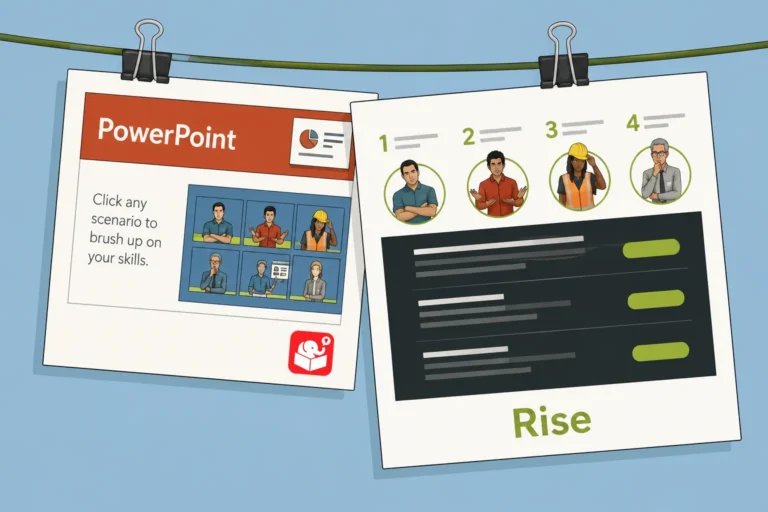
Older PowerPoint scenarios can be hard to manage and even harder to update. Rise offers a cleaner alternative that's fully responsive and easier to maintain. This post walks through one conversion, from planning the interaction design to working around Rise's constraints.
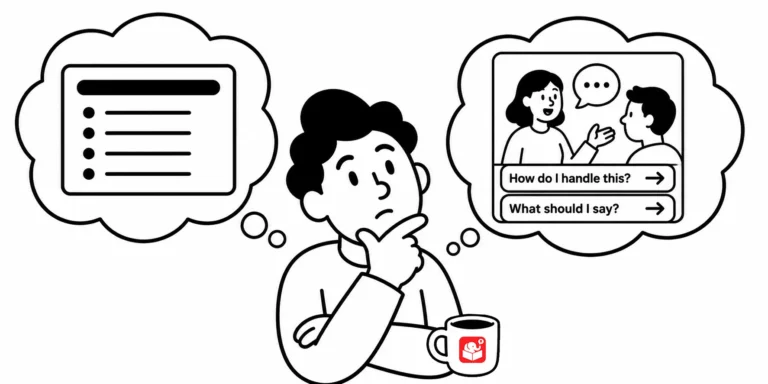
When e-learning developers say they want more engaging courses, they usually mean more branching. But navigation type has almost nothing to do with engagement. What actually matters is whether the content connects to the learner's real world.