Physical Address
304 North Cardinal St.
Dorchester Center, MA 02124
Physical Address
304 North Cardinal St.
Dorchester Center, MA 02124
Helpful ideas. Squeaky value.
Helpful ideas. Squeaky value.
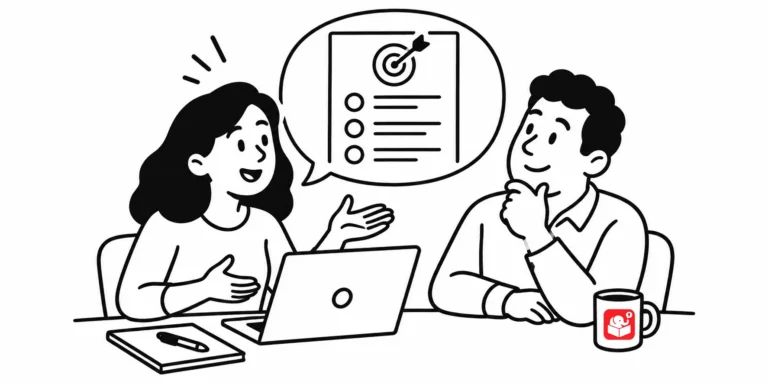
Some courses need learners to prove they can do something. Others just need to build awareness. Here's a simple framework for figuring out which one you're building, and how to write objectives that actually match.
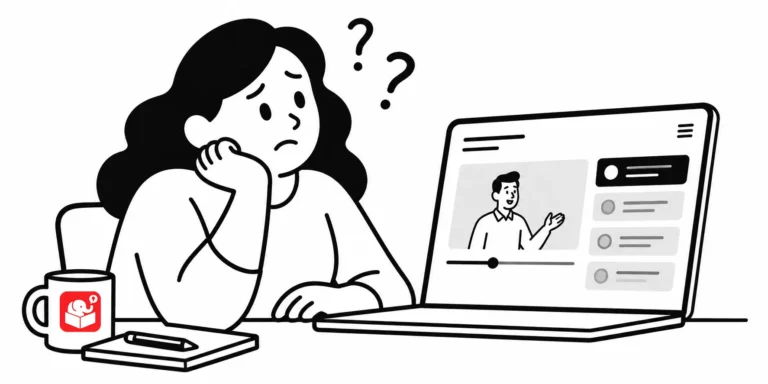
Knowing something and being able to use it are different things. If your course needs learners to make better decisions, not just pass a quiz, the design has to go further than a content dump.
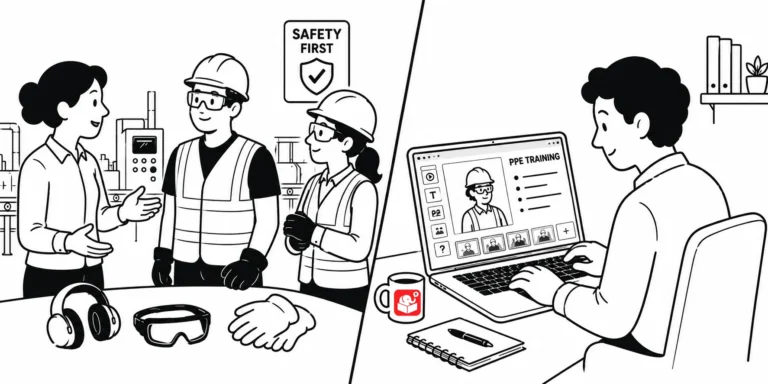
Splitting training into e-learning modules and peer coaching sounds simple, until you get into the details. Here's how I designed the blended training program's note-taking journal, review questions, and peer coach process that bridge the two, plus a self-assessment checklist you can turn into a real training record.
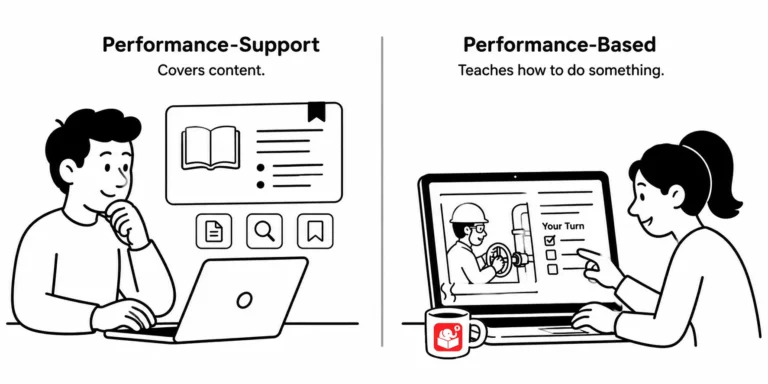
Not all e-learning is the same, even though we lump it all under one label. Some courses share information. Others are meant to change what people can actually do, and knowing the difference changes how you should build the next one.
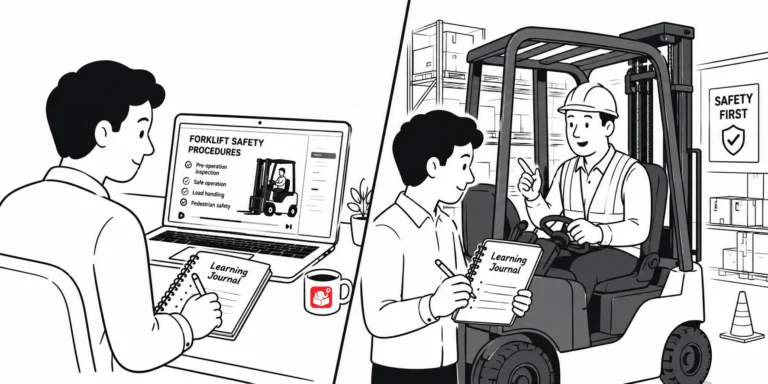
Most e-learning courses end when the learner clicks submit. But what happens to the learning after that? A learning journal extends your course into the real work environment and gives learners a guide for the weeks ahead.

A course ends the moment learners click finish, but the job doesn't wait. A learning journal bridges that gap, turning one-time training into something learners can lean on long after the course is over.
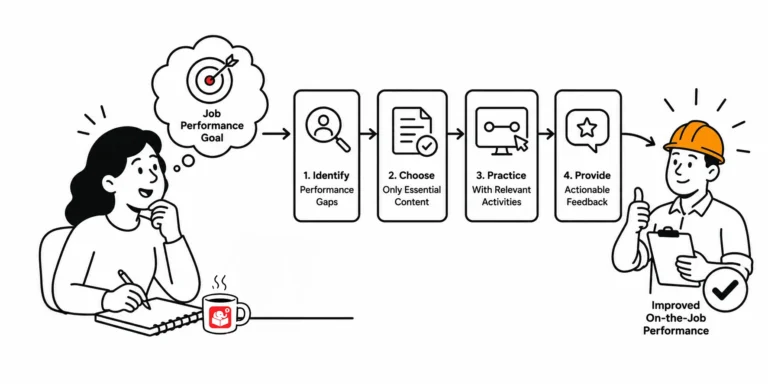
Two kinds of courses, two different goals A compliance course tells employees what the rules are. A performance-based course gets them doing something they couldn’t do before. Those two types of courses call for completely different design approaches. When information…
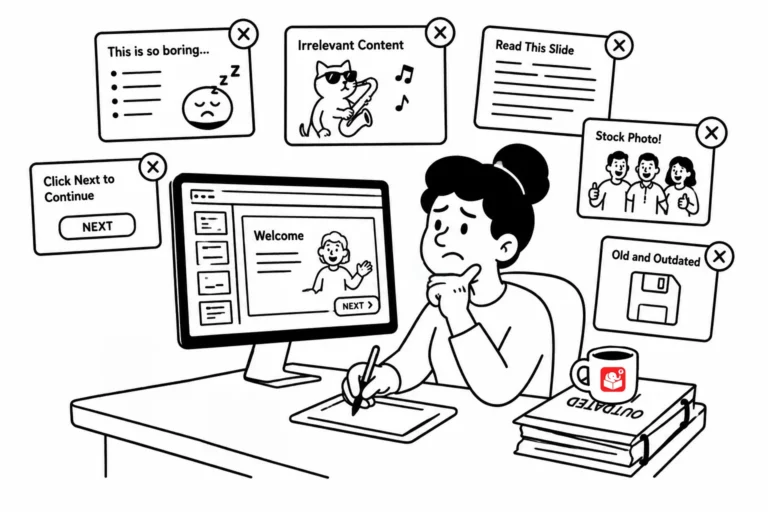
Learners can spot a bad course fast: no relevance, no point, no polish. Here are three habits that guarantee yours misses the mark, and what to do instead.

Making content interactive isn't the same as teaching people to make good decisions. Here's why so many e-learning courses stop short of the real work, and what it actually takes to build decision-making practice into your training.
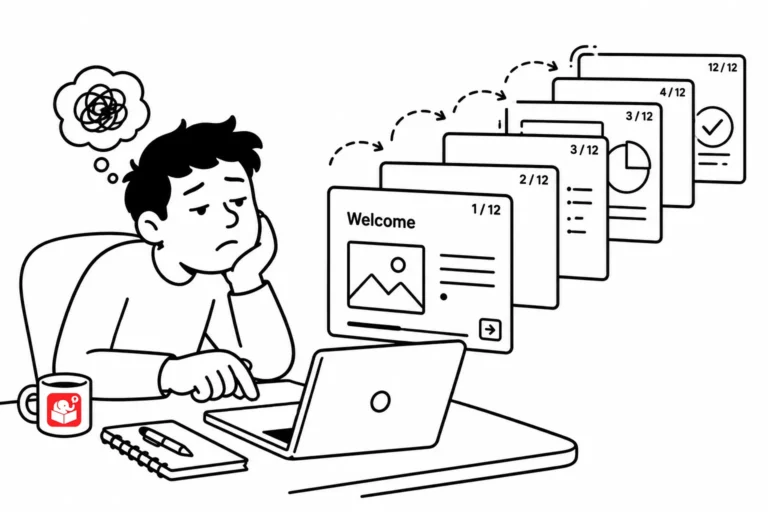
Most e-learning pushes content and calls it training, even when nobody can demonstrate anything different afterward. Here's why content alone isn't a course, and how to push back when someone hands you a slide deck and asks you to turn it into one.
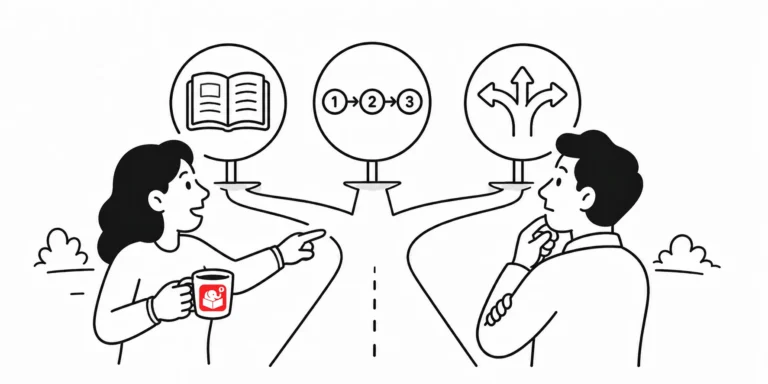
Not every course needs the same kind of design, and building the wrong type wastes time on both ends. Here's how to tell explainer, step-by-step, and principle-based courses apart, and why asking one question upfront makes the rest of the project easier.
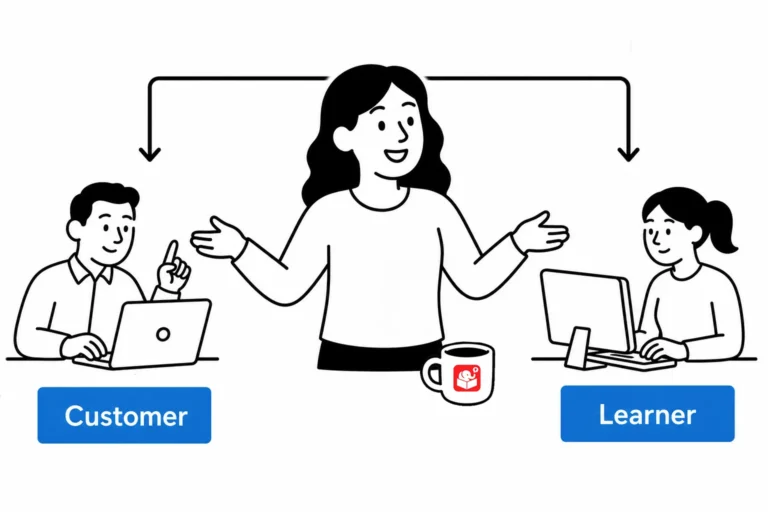
Most compliance courses feel pointless to the learner, even when the content matters. Here are three ways to frame that same content in a context people actually relate to, so it lands instead of getting tuned out.
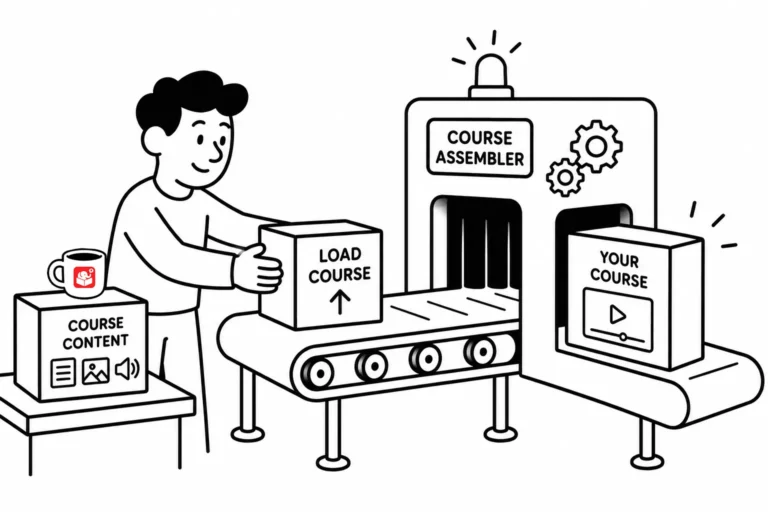
There's a pattern that shows up in almost every e-learning course. It follows objectives, content, and a quiz, then repeats. That structure works sometimes, but it often leaves a gap between what learners see and what they need to do.
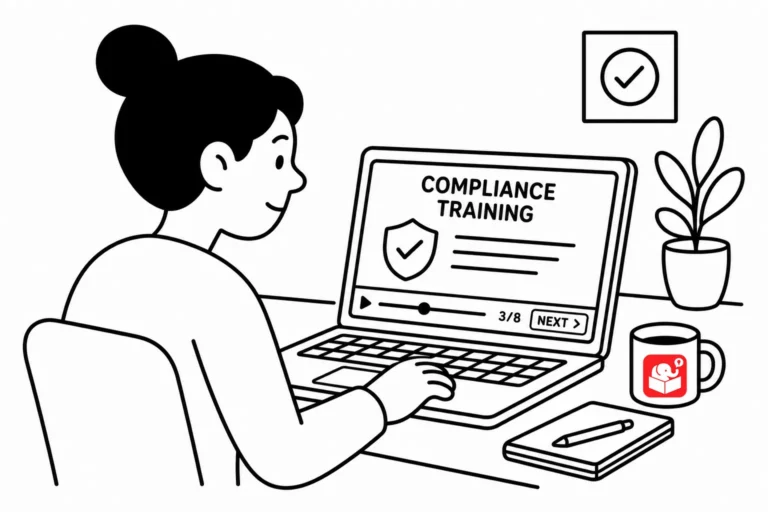
Most compliance training is about certifying exposure to content, not changing behavior. But there's a performance angle buried in many of these courses. Knowing the difference shapes your design choices from the start.

Most e-learning problems start before anyone opens an authoring tool. The questions you ask at the beginning shape everything that follows. Here's a practical checklist for getting an e-learning project off on the right foot.