Physical Address
304 North Cardinal St.
Dorchester Center, MA 02124
Physical Address
304 North Cardinal St.
Dorchester Center, MA 02124
Helpful ideas. Squeaky value.
Helpful ideas. Squeaky value.
Advice on growing your e-learning career — building a portfolio, freelancing, getting hired, and leveling up your skills.
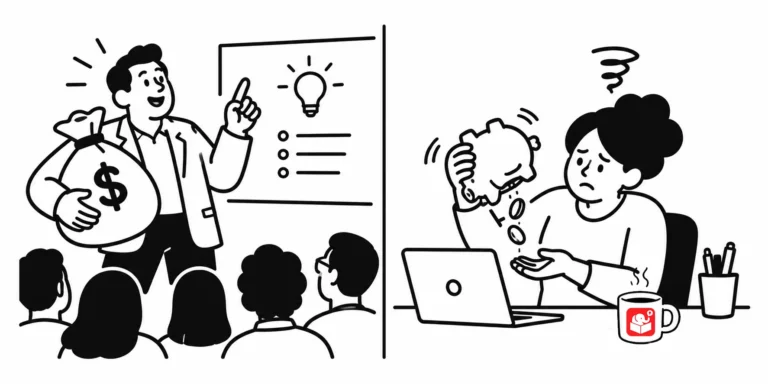
Most e-learning doesn't live up to the hype. Not because the tools are wrong, but because internal teams are often set up to build the wrong kinds of courses. Understanding why helps you start changing it.
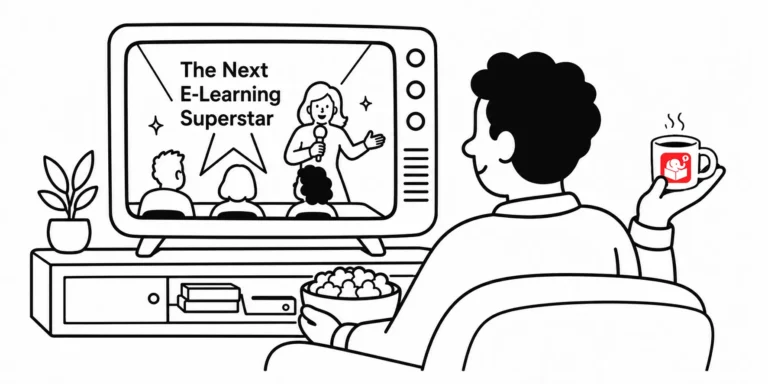
Reality TV competitions have more to teach you than you'd think. From taking criticism to giving better feedback, here are five lessons from shows like Top Chef and Project Runway that can make you a sharper e-learning designer.
I read an article about how Google's designers rethought their products, and it hit close to home. A lot of what tripped them up, sticking with consistent navigation, resisting the urge to fill white space, getting buy-in for change, are the same things we deal with building e-learning. Here's what I took from it.
The most common question from aspiring e-learning developers isn't about software features. It's about where to begin. Here are the practical habits, portfolio strategies, and community moves that make the difference.
Most of us finish a course, hand it off, and move on. But what happens after launch matters more than most developers realize. Here are four things worth doing before you start the next project.
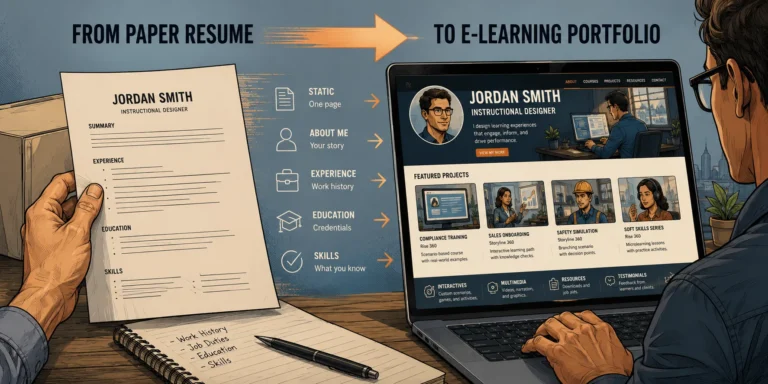
A portfolio isn't just a nice-to-have — it's the thing that gets you the interview. This post covers what to put in yours, how to organize it, and how to use it to build your reputation in the e-learning community.
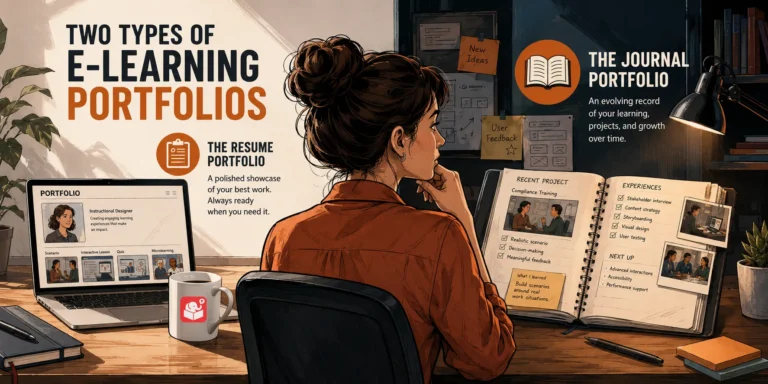
Building an e-learning portfolio sounds like a big undertaking. But it doesn't have to be. The right approach depends on what you want your portfolio to actually do.
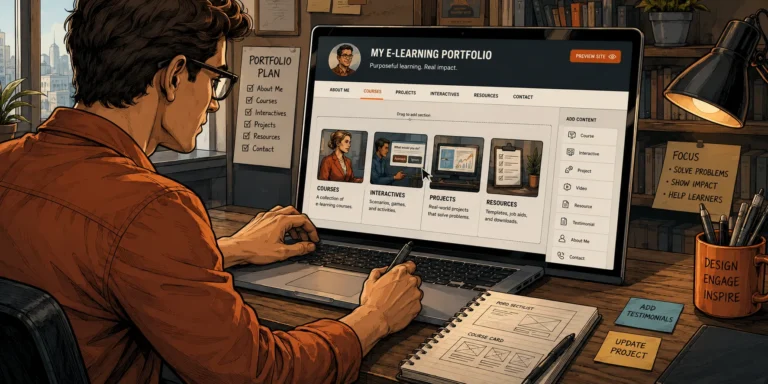
A portfolio grows with your skills, and every course you build is a chance to capture something worth showing. Start with these five types, make the visuals strong, and keep adding as you learn. What's one piece you could add to yours this week?
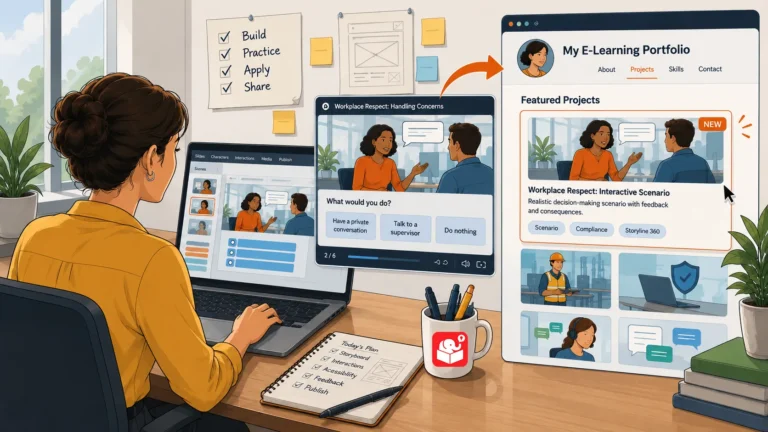
A portfolio does more than show off your work — it actively builds your skills. This post walks through how to use yours as a learning tool, a skills gap tracker, and a record of your growth as an instructional designer.
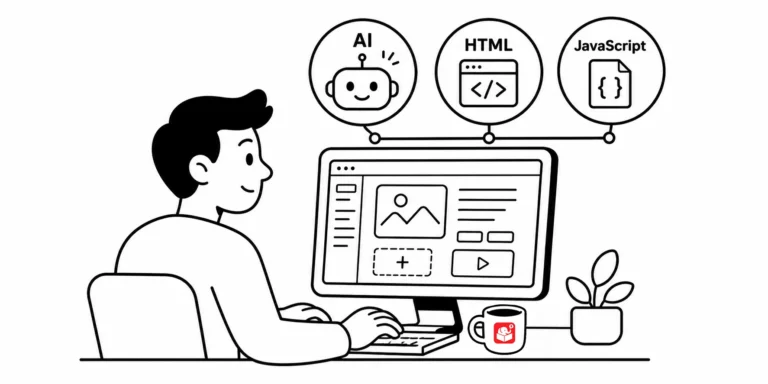
Storyline and Rise handle the heavy lifting, but a little code and AI knowledge still pays off. Learn where HTML and JavaScript solve embedding problems, and where AI now speeds up creating text, images, video, and audio for your courses. Both come down to the same thing: knowing enough to spot a problem and fix it fast.
Most people starting out in e-learning make the same few mistakes. Not because they lack skill, but because they haven't learned how e-learning differs from other kinds of training. Three simple shifts in thinking can change that quickly.
Strong e-learning careers are built on more than technical skill. The designers who last manage expectations, stay goal-focused, and tell the story of their work. Start with one or two of these habits and build from there.
Copying another developer's work and calling it your own can quietly damage your career. The good news is there's a better path. Here's a three-step process for turning inspiration into skills that belong to you.
The best e-learning pros share three habits: they practice on small challenges, share their work publicly, and write about how they built it. Here's how each one builds skill and reputation over time.
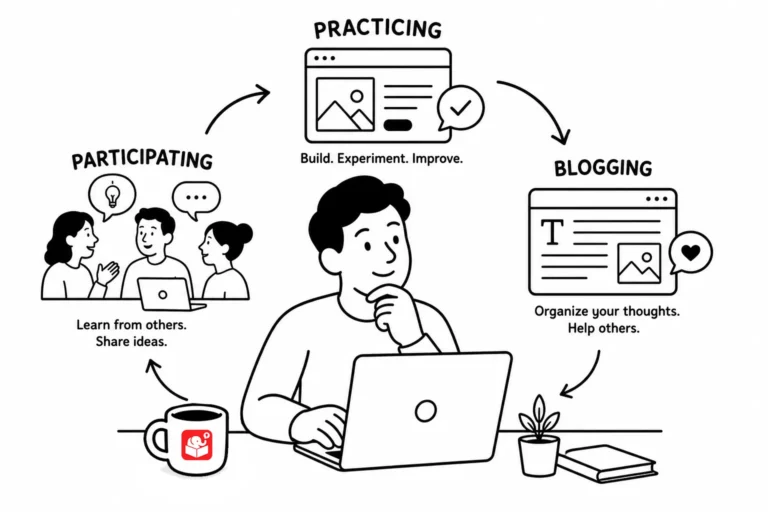
Want to build better courses? Start something, learn from it, and build a little better the next time. Add regular practice and a habit of writing about what you learn, and you'll improve faster than you think.