Physical Address
304 North Cardinal St.
Dorchester Center, MA 02124
Physical Address
304 North Cardinal St.
Dorchester Center, MA 02124
Helpful ideas. Squeaky value.
Helpful ideas. Squeaky value.
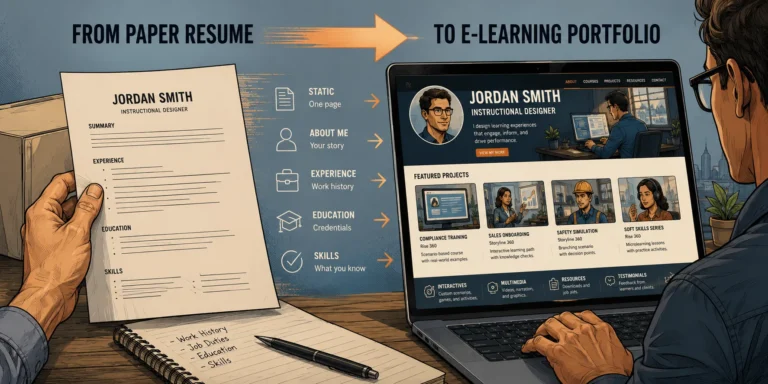
A portfolio isn't just a nice-to-have — it's the thing that gets you the interview. This post covers what to put in yours, how to organize it, and how to use it to build your reputation in the e-learning community.
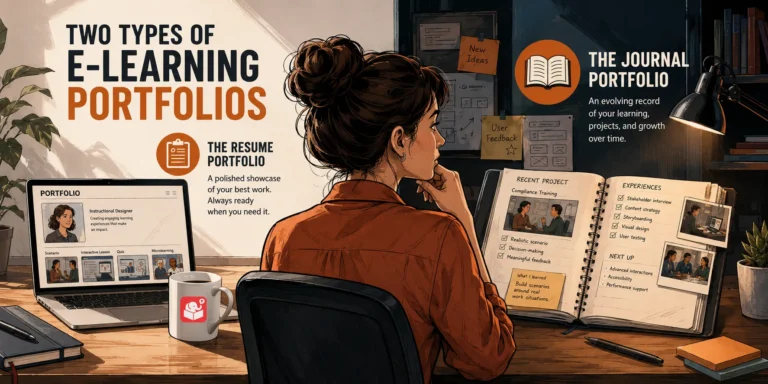
Building an e-learning portfolio sounds like a big undertaking. But it doesn't have to be. The right approach depends on what you want your portfolio to actually do.
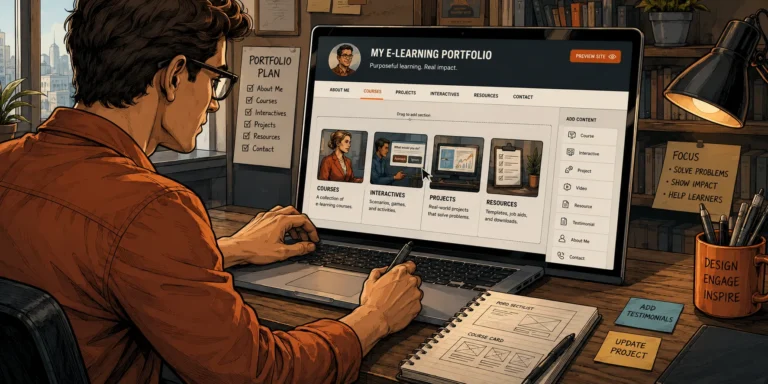
A portfolio grows with your skills, and every course you build is a chance to capture something worth showing. Start with these five types, make the visuals strong, and keep adding as you learn. What's one piece you could add to yours this week?
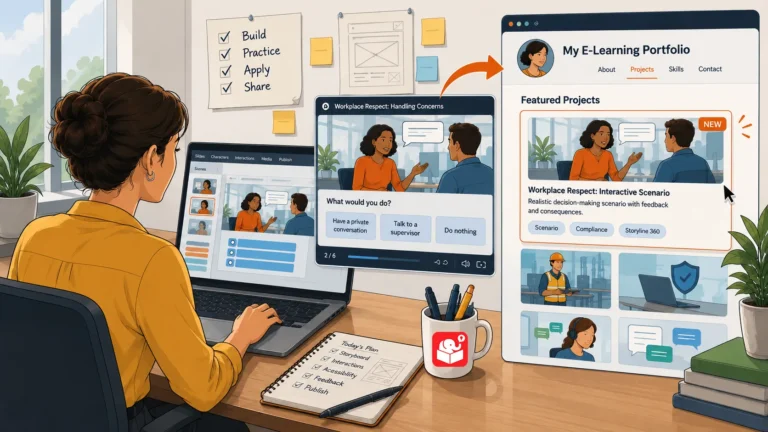
A portfolio does more than show off your work — it actively builds your skills. This post walks through how to use yours as a learning tool, a skills gap tracker, and a record of your growth as an instructional designer.
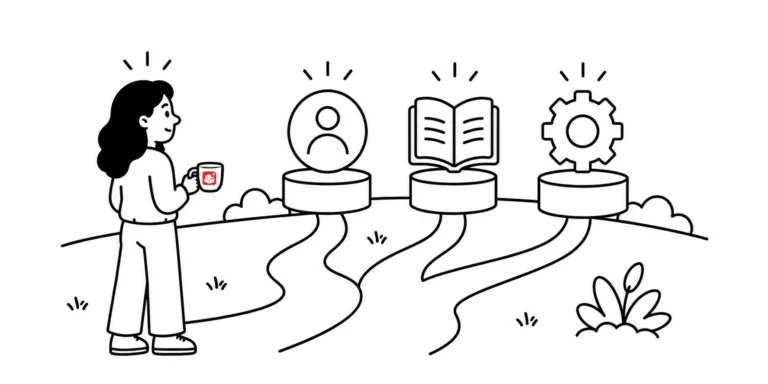
Most people starting out in e-learning make the same few mistakes. Not because they lack skill, but because they haven't learned how e-learning differs from other kinds of training. Three simple shifts in thinking can change that quickly.
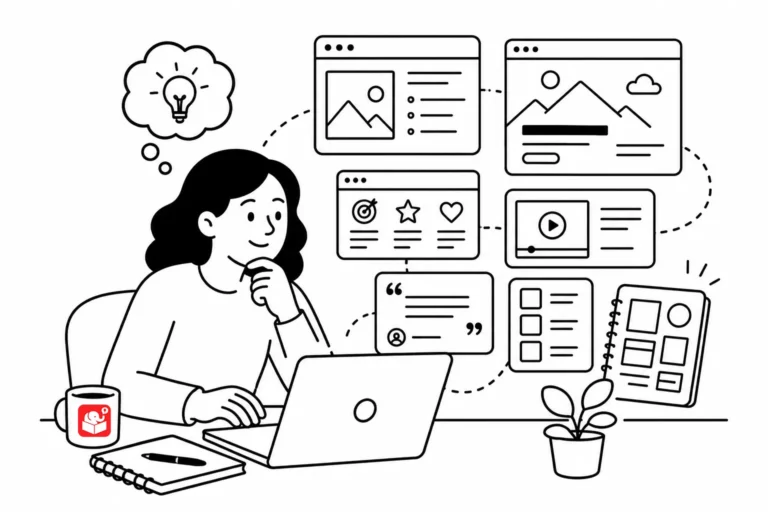
Copying another developer's work and calling it your own can quietly damage your career. The good news is there's a better path. Here's a three-step process for turning inspiration into skills that belong to you.
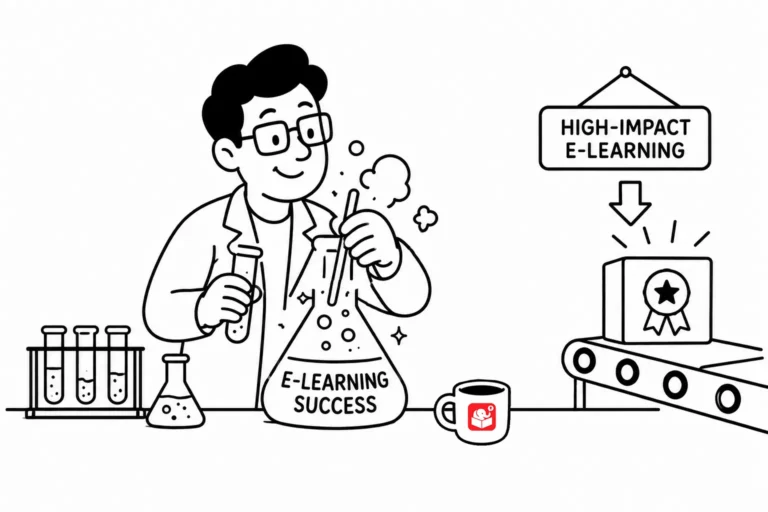
The best e-learning pros share three habits: they practice on small challenges, share their work publicly, and write about how they built it. Here's how each one builds skill and reputation over time.
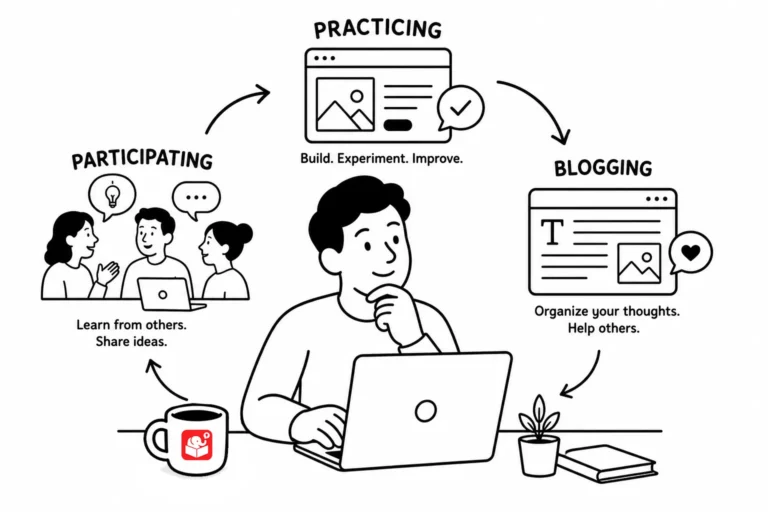
Want to build better courses? Start something, learn from it, and build a little better the next time. Add regular practice and a habit of writing about what you learn, and you'll improve faster than you think.
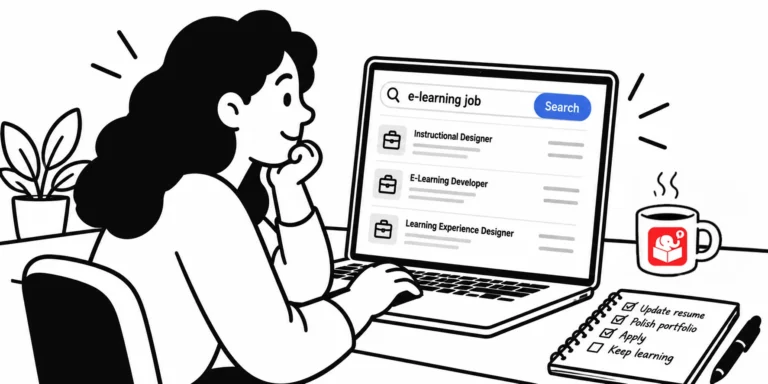
Most people waiting for an e-learning opportunity aren't short on talent. They're short on proof. This post walks through the habits and strategies that help e-learning professionals get noticed, hired, or promoted.