Physical Address
304 North Cardinal St.
Dorchester Center, MA 02124
Physical Address
304 North Cardinal St.
Dorchester Center, MA 02124
Helpful ideas. Squeaky value.
Helpful ideas. Squeaky value.
A common pattern in e-learning is to list what people need to know and then quiz them on it. That approach measures recall, not understanding. Four design changes can close that gap.
Real communication goes back and forth. Most e-learning doesn't. Here's how to build feedback and assessment into the course itself instead of leaving it all to a quiz at the end.
Some courses need learners to prove they can do something. Others just need to build awareness. Here's a simple framework for figuring out which one you're building, and how to write objectives that actually match.
A good SME relationship pays off long after the project ends. This roundup of tips from other e-learning developers covers how to respect their time, earn their trust, and keep the door open for next time.
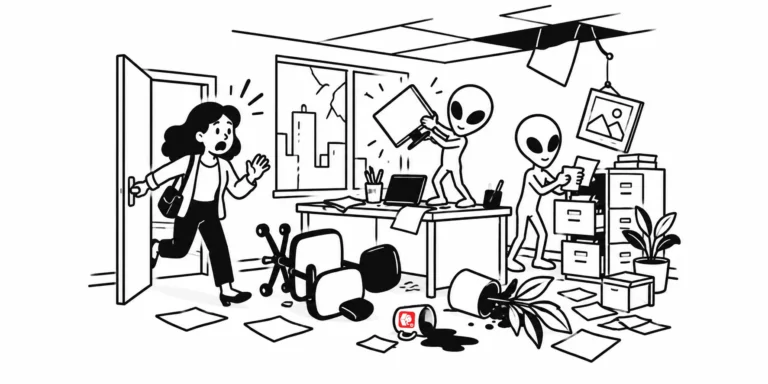
Real-world content can actually work against your course. Here's why flipping the scenario, even into something as odd as an alien abduction, keeps learners focused on the objective instead of the details they already know.
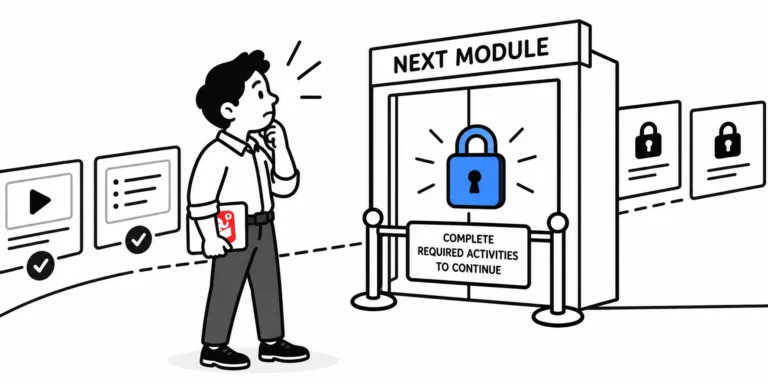
"We have to lock the course or people will just skip to the end." Sound familiar? Locking navigation is a common default in e-learning, but it solves the wrong problem. This post explains why, and what to do instead.

A training request doesn't automatically call for an e-learning course. Many of them can be handled faster and cheaper with something else. Four questions will help you figure out which approach fits.
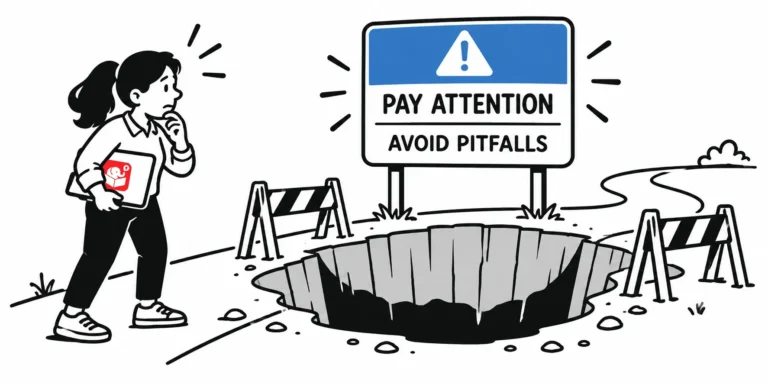
Every course is built with some idea of who's going to take it. The problem is that idea is often wrong. Getting clear on who your learners actually are — not who you assume they are — changes everything about how you design a course.
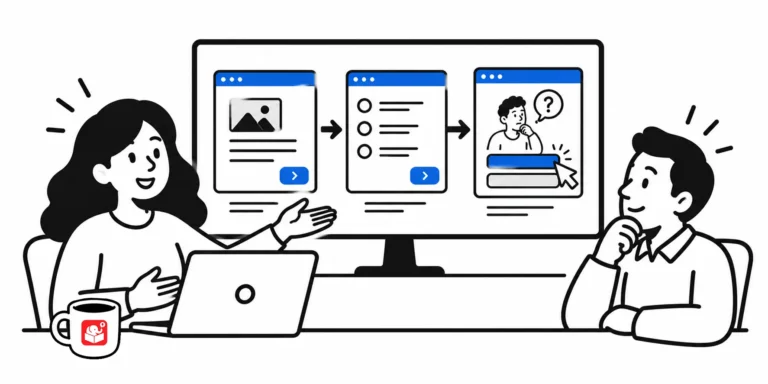
When a client asks for an e-learning course, they usually describe what they've experienced as a learner. That almost always means click-and-read, linear slides. The fix is simple: show them what other options look like before you agree on scope.
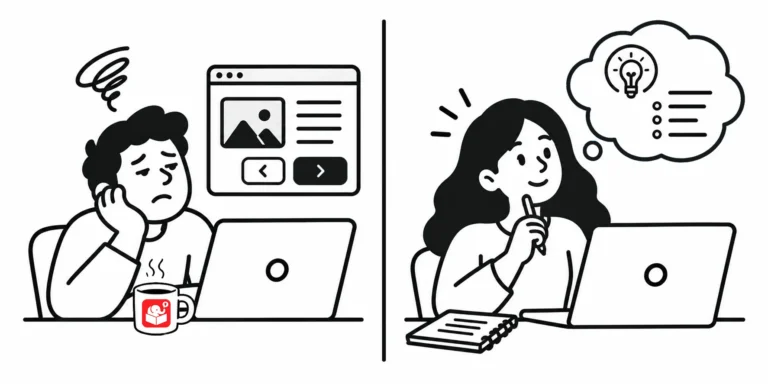
Stuck building another content-heavy compliance course? These 7 ideas show you how to add context, drama, and decision-making without a full redesign.

Every course has two sets of stakeholders with different priorities. The organization wants business outcomes, but the learner wants something relevant to their actual job. Bridging that gap is the real design challenge.
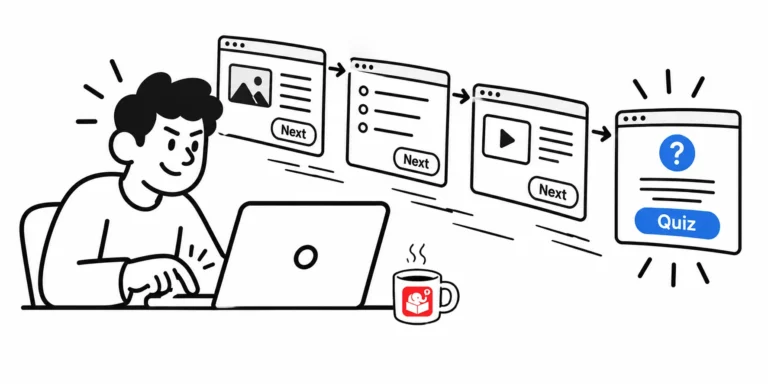
Most learners who skip to the quiz aren't lazy. The course just isn't relevant enough to hold them. These three approaches give you better options than locking the navigation.
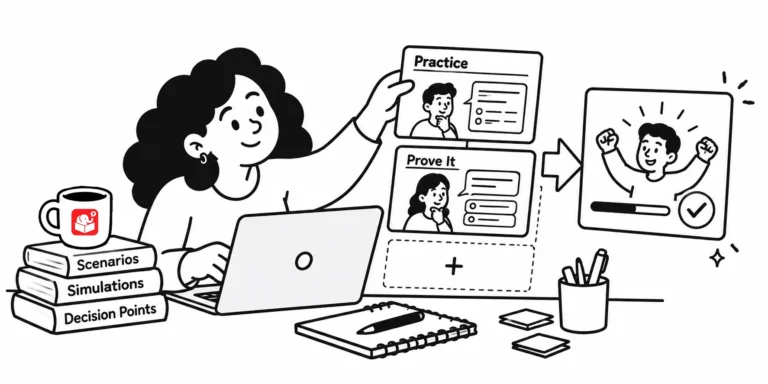
If your course has performance expectations, learners need more than content. They need to practice and prove they can apply it. You can build that inside the course or as part of a broader learning experience.
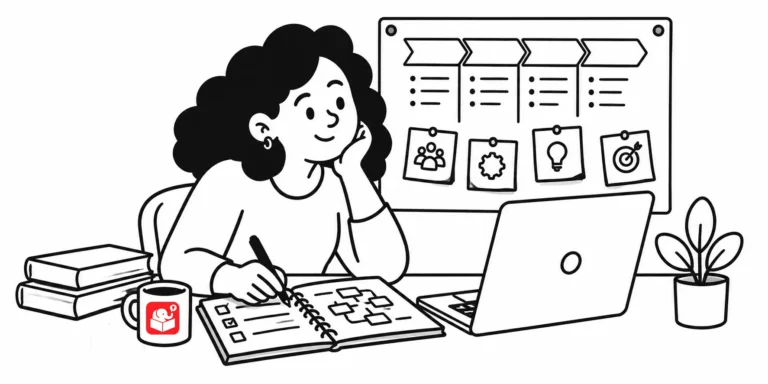
Most project plans look great on day one and get ignored by day three. You don't need a formal plan to keep an e-learning project on track. You just need to work through the right areas, and this post breaks them down.
Knowing something and being able to use it are different things. If your course needs learners to make better decisions, not just pass a quiz, the design has to go further than a content dump.