Physical Address
304 North Cardinal St.
Dorchester Center, MA 02124
Physical Address
304 North Cardinal St.
Dorchester Center, MA 02124
Helpful ideas. Squeaky value.
Helpful ideas. Squeaky value.
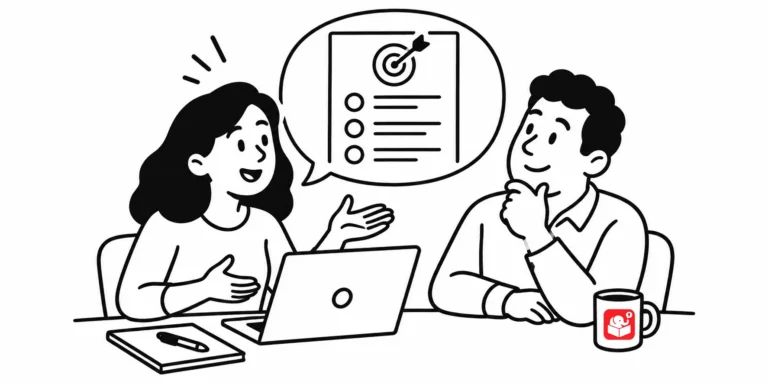
Some courses need learners to prove they can do something. Others just need to build awareness. Here's a simple framework for figuring out which one you're building, and how to write objectives that actually match.

Knowing something and being able to use it are different things. If your course needs learners to make better decisions, not just pass a quiz, the design has to go further than a content dump.
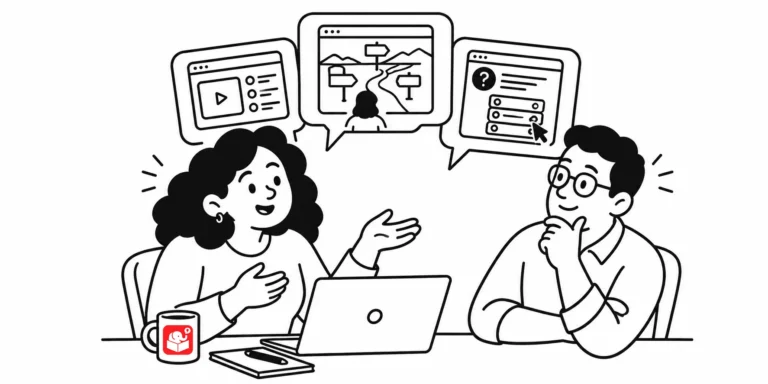
Pitching a new course design to a client is tough when they only know the click-and-read format. This post walks through a simple three-option demo that gets them to see, and choose, a better approach.

Most learning objectives end up as vague statements that look good on a slide but don't actually guide course design. There's an easier way to write them — one that keeps your course focused on what learners need to do, not just what they need to know.
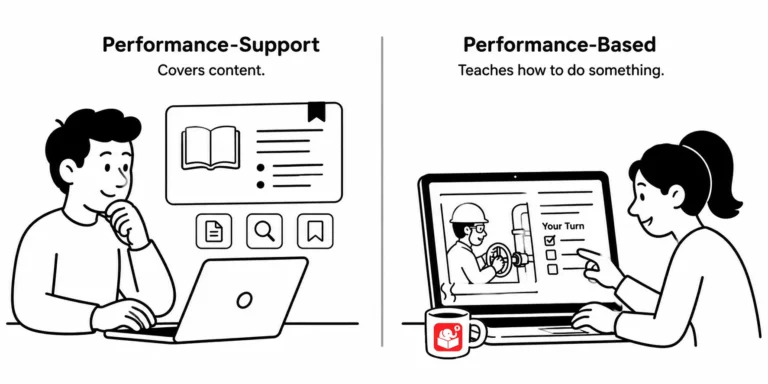
Not all e-learning is the same, even though we lump it all under one label. Some courses share information. Others are meant to change what people can actually do, and knowing the difference changes how you should build the next one.
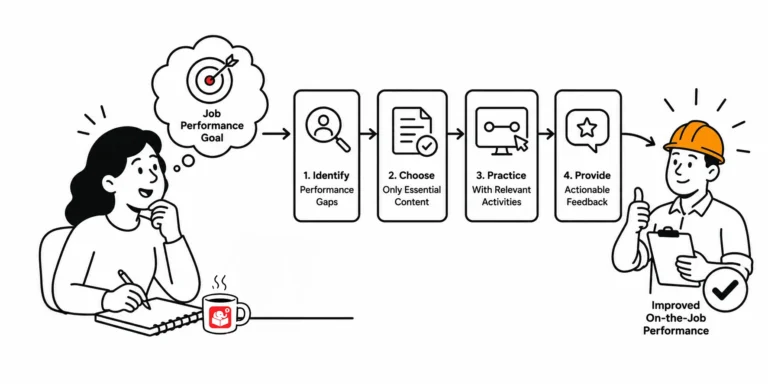
Two kinds of courses, two different goals A compliance course tells employees what the rules are. A performance-based course gets them doing something they couldn’t do before. Those two types of courses call for completely different design approaches. When information…

A lot of e-learning looks like training but doesn't work like training. If you want people to actually do something differently after the course, you have to build for that from the start. Here's how.
Most compliance training is about certifying exposure to content, not changing behavior. But there's a performance angle buried in many of these courses. Knowing the difference shapes your design choices from the start.