Physical Address
304 North Cardinal St.
Dorchester Center, MA 02124
Physical Address
304 North Cardinal St.
Dorchester Center, MA 02124
Helpful ideas. Squeaky value.
Helpful ideas. Squeaky value.
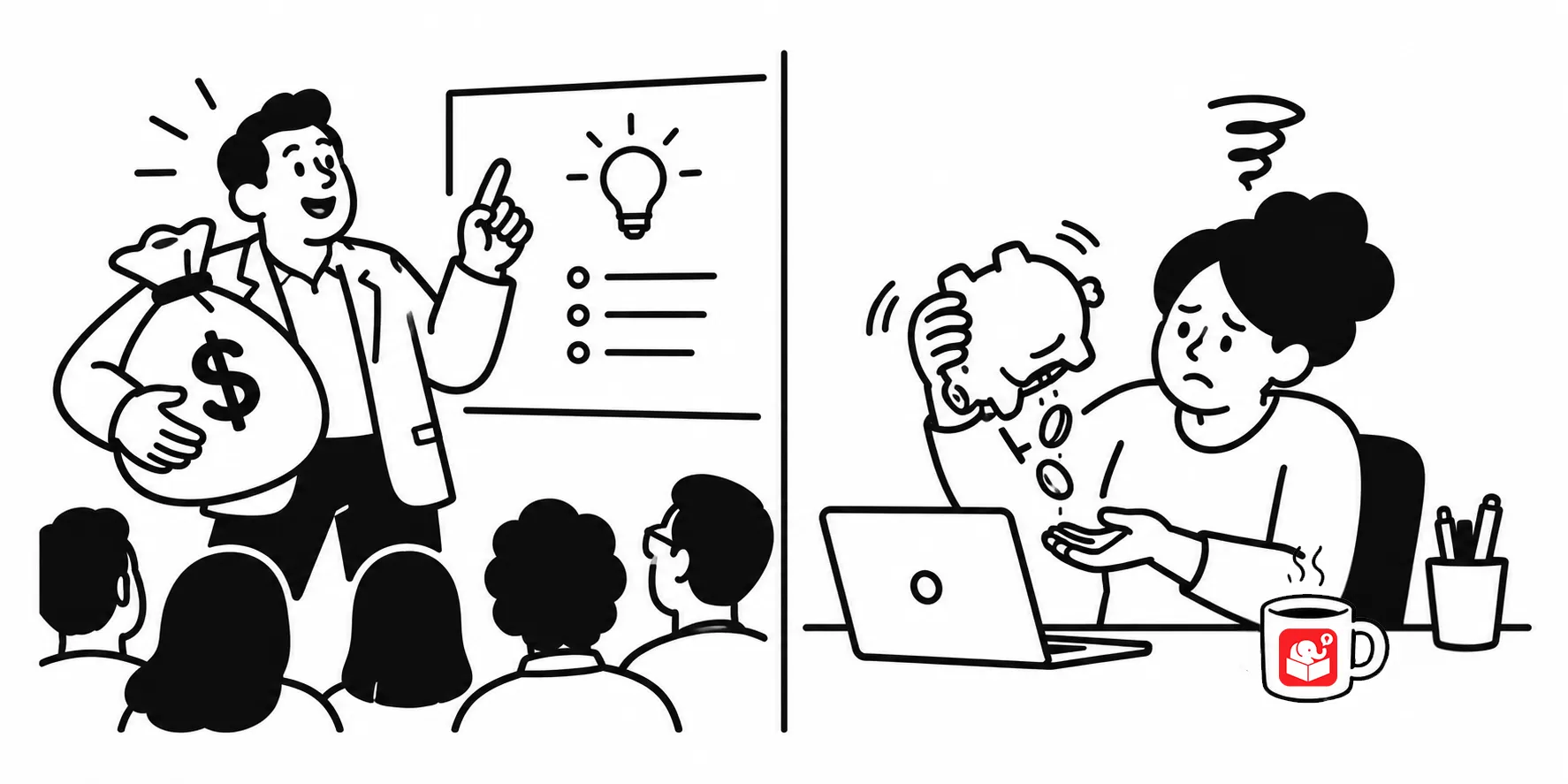
Picture a conference session where an indsutry thought leader (usually a consultant) identifies what’s wrong with most e-learning and then explains how to build better, performance-based, outcome-driven courses.
You’re all jazzed up and when you get back to your desk someone drops a compliance course request on you with a two-week deadline and no context about why it exists. You don’t have time to build the course the consultant described. Instead you’re stuck building that linear, click-and-read course typical of so many e-learning programs.
Consultants get hired by senior managers with a real business problem and a real budget. Because of this, they get access to data, time for analysis, and accountability tied to measurable outcomes. The courses they build tend to be performance-based from the start.
That setup shapes how they think about e-learning. Their advice isn’t wrong. It just comes from conditions that most in-house teams don’t have.
One of the biggest challenges for internal e-learning teams is that they don’t have a seat at the table. Someone in the organization decides that training is the solution. So they get assigned courses without context about the business problem that triggered the request. They’re expected to build something fast, often with no budget.
So they end up building a lot of informational content. Compliance courses. Click-through decks with a quiz at the end. Not because they don’t know better, but because those are the constraints they’re working in.
The goal isn’t to replicate what consultants do with big budgets. It’s to build better courses given where you actually are.
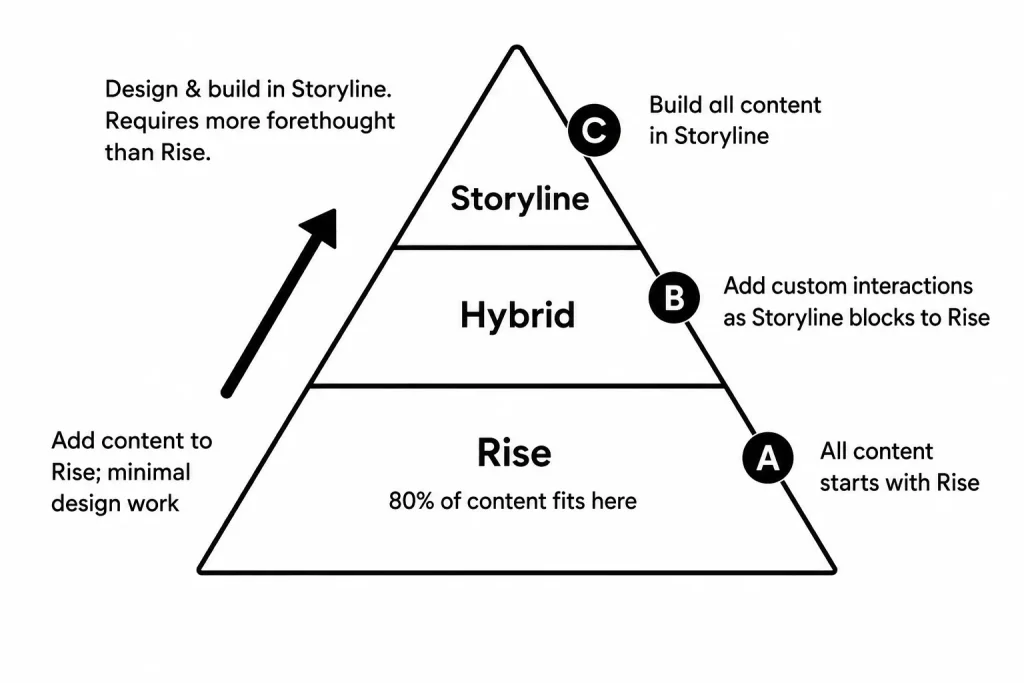
None of this is complicated. But it requires stepping back from the order-taking cycle long enough to think strategically.
Start by mapping the kinds of courses you actually build. If most of them are informational, that’s worth knowing. Then pick one or two where performance really matters and focus your energy there.