Physical Address
304 North Cardinal St.
Dorchester Center, MA 02124
Physical Address
304 North Cardinal St.
Dorchester Center, MA 02124
Helpful ideas. Squeaky value.
Helpful ideas. Squeaky value.

Most learning objectives end up as vague statements that look good on a slide but don't actually guide course design. There's an easier way to write them — one that keeps your course focused on what learners need to do, not just what they need to know.
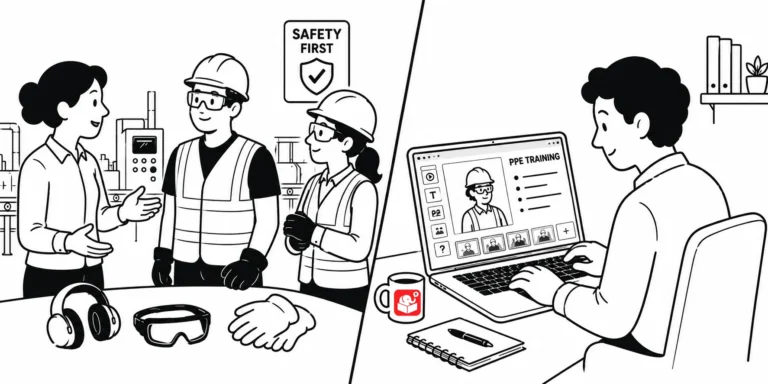
Splitting training into e-learning modules and peer coaching sounds simple, until you get into the details. Here's how I designed the blended training program's note-taking journal, review questions, and peer coach process that bridge the two, plus a self-assessment checklist you can turn into a real training record.
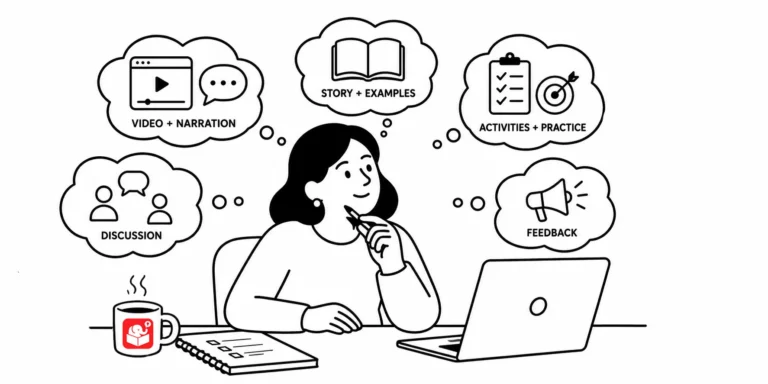
You put information on a screen. Your learner reads it. But what they walk away understanding isn't always what you meant. Here's how to design courses that close that gap.
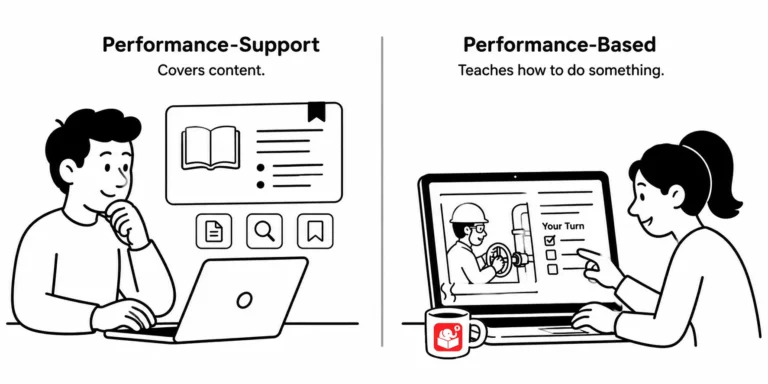
Not all e-learning is the same, even though we lump it all under one label. Some courses share information. Others are meant to change what people can actually do, and knowing the difference changes how you should build the next one.
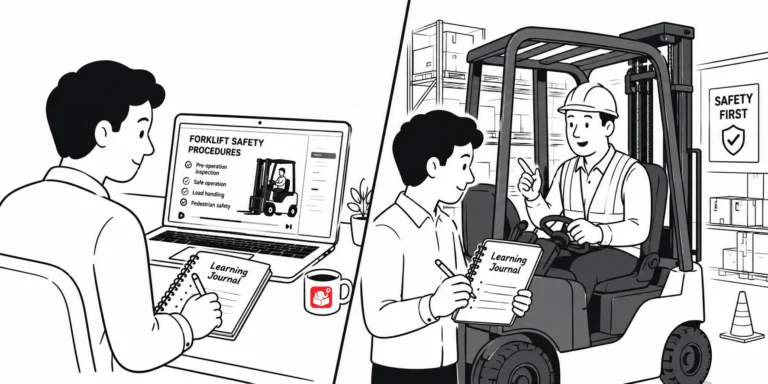
Most e-learning courses end when the learner clicks submit. But what happens to the learning after that? A learning journal extends your course into the real work environment and gives learners a guide for the weeks ahead.

A course ends the moment learners click finish, but the job doesn't wait. A learning journal bridges that gap, turning one-time training into something learners can lean on long after the course is over.
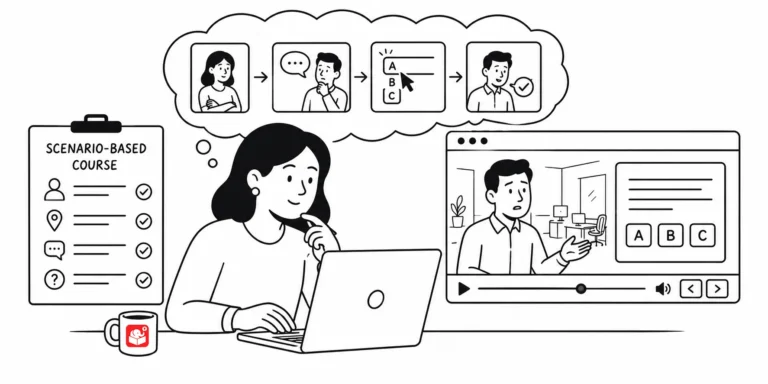
Most e-learning falls flat because it presents information and hopes something sticks. Scenario-based learning works because it gives learners a reason to need the content. Here's how to build one that works.
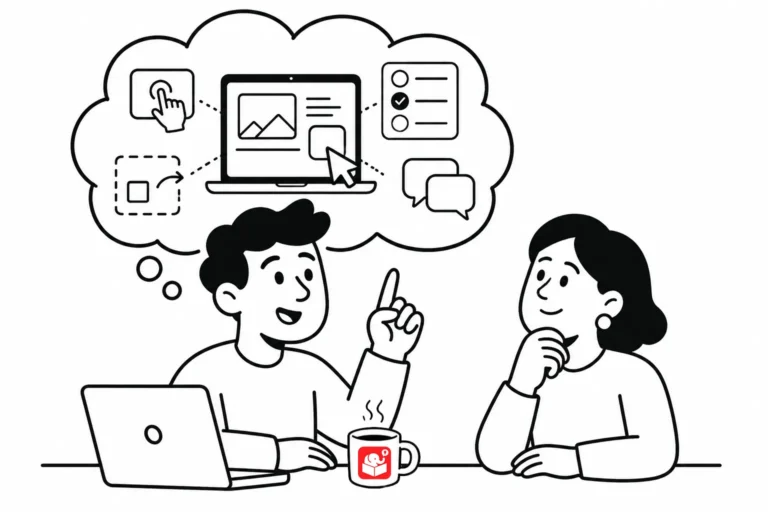
The most common e-learning courses follow a simple pattern: present information, click next. That's not learning. Three design shifts move courses away from click-and-forget content toward experiences where learners actually have to think.
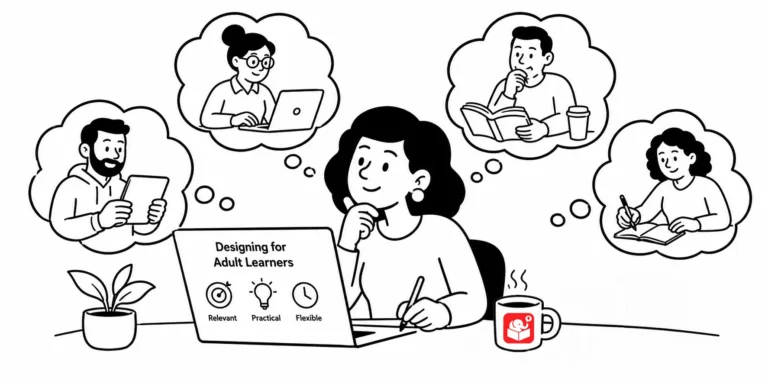
Kids jump right in and figure things out. Adults hold back, afraid to get it wrong. Here's how to design e-learning that gets adult learners past that hesitation and actually engaged.
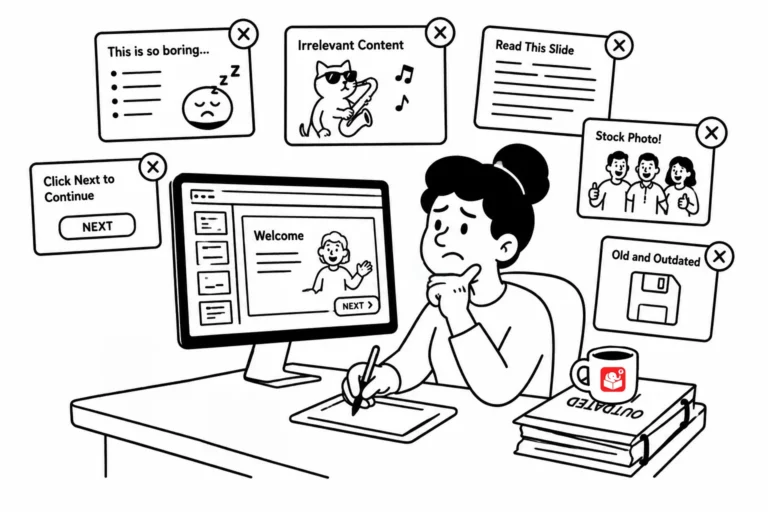
Learners can spot a bad course fast: no relevance, no point, no polish. Here are three habits that guarantee yours misses the mark, and what to do instead.
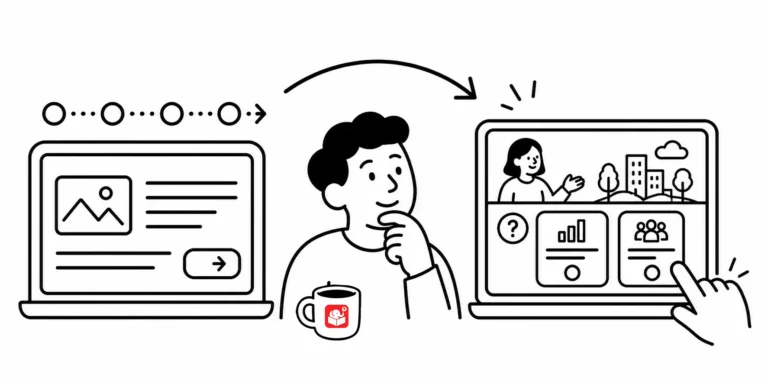
Making content interactive isn't the same as teaching people to make good decisions. Here's why so many e-learning courses stop short of the real work, and what it actually takes to build decision-making practice into your training.
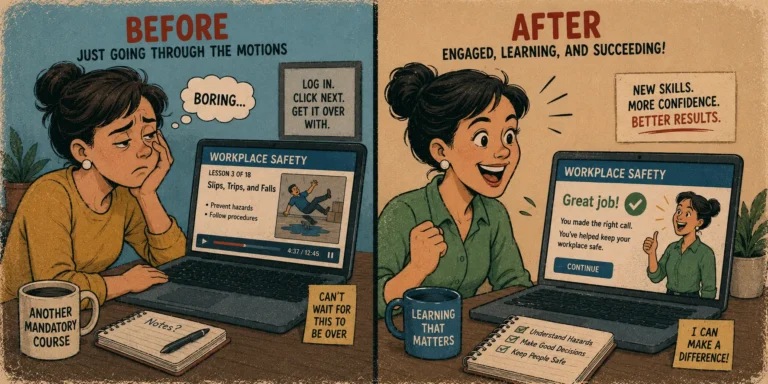
You can't force anyone to learn. But you can design a course that gives learners a real reason to try. Here's how to build motivation into your course from the start — before they ever click next.

Your learners' brains have a built-in limit on how much they can process at once. When you design without that in mind, the course feels hard in the wrong way. Here's what cognitive load is and why it matters for the courses you build.
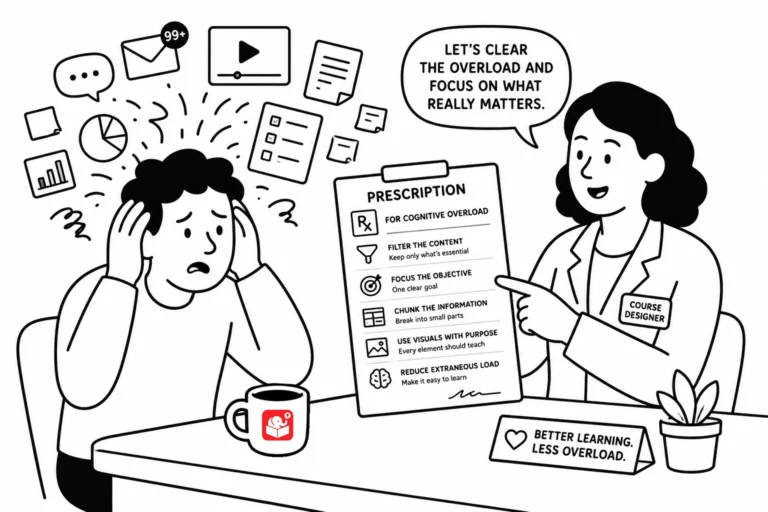
Good course design isn't about adding more. It's about removing the stuff that gets in the way of learning. Here are a few practical things to keep in mind when cognitive load is working against your learners.
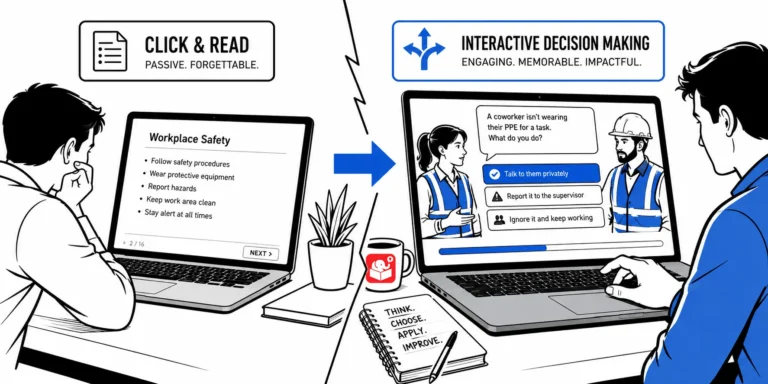
Most e-learning courses push information and call it training. The 3C model exists to fix that. It's a simple structure for building scenarios that put learners in real situations and let them practice making decisions.