Physical Address
304 North Cardinal St.
Dorchester Center, MA 02124
Physical Address
304 North Cardinal St.
Dorchester Center, MA 02124
Helpful ideas. Squeaky value.
Helpful ideas. Squeaky value.
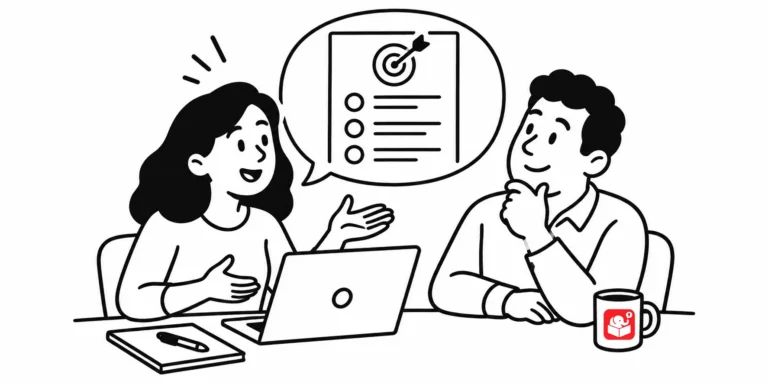
Some courses need learners to prove they can do something. Others just need to build awareness. Here's a simple framework for figuring out which one you're building, and how to write objectives that actually match.
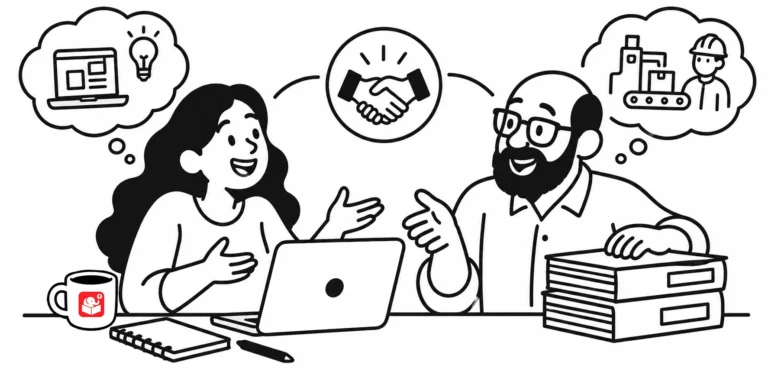
A good SME relationship pays off long after the project ends. This roundup of tips from other e-learning developers covers how to respect their time, earn their trust, and keep the door open for next time.
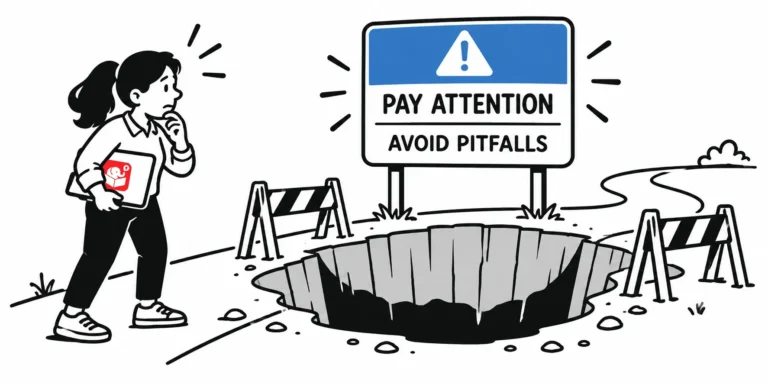
Every course is built with some idea of who's going to take it. The problem is that idea is often wrong. Getting clear on who your learners actually are — not who you assume they are — changes everything about how you design a course.
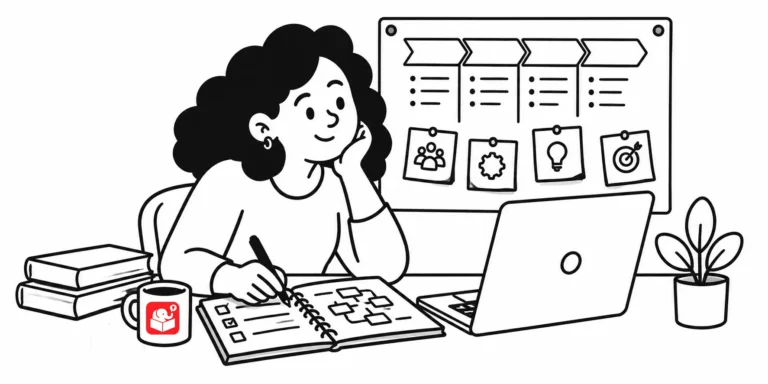
Most project plans look great on day one and get ignored by day three. You don't need a formal plan to keep an e-learning project on track. You just need to work through the right areas, and this post breaks them down.
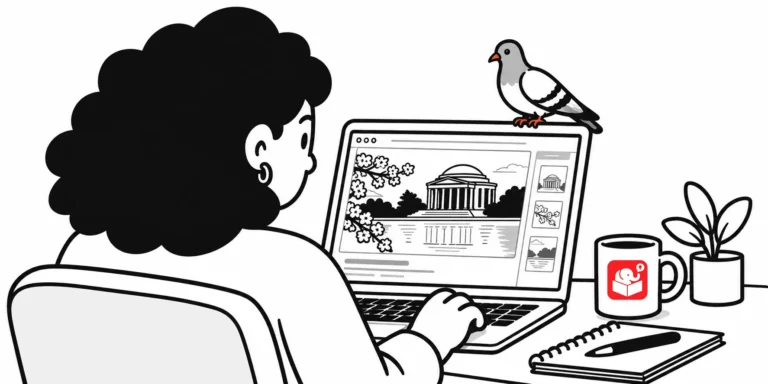
Most bad courses don't come from bad design. They come from skipping one question before you start building. This post walks through how to ask it, using a real case study about a monument and bird poop.

Most learning objectives end up as vague statements that look good on a slide but don't actually guide course design. There's an easier way to write them — one that keeps your course focused on what learners need to do, not just what they need to know.
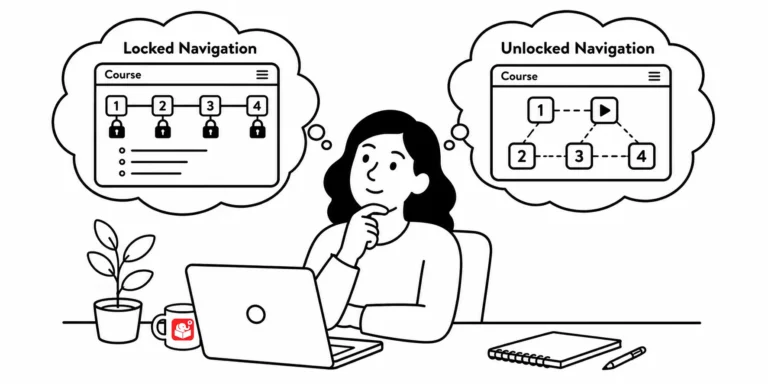
Locked course navigation is one of the most common e-learning frustrations, and it usually comes from good intentions gone wrong. This post breaks down why courses get locked and offers three practical ways to give learners more control without sacrificing your objectives.
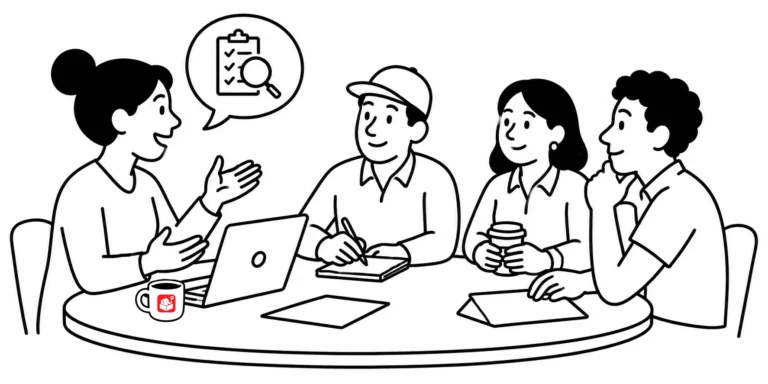
Spending months on needs analysis before building a single thing is its own kind of failure. Here's how to find the right level of analysis for each project.
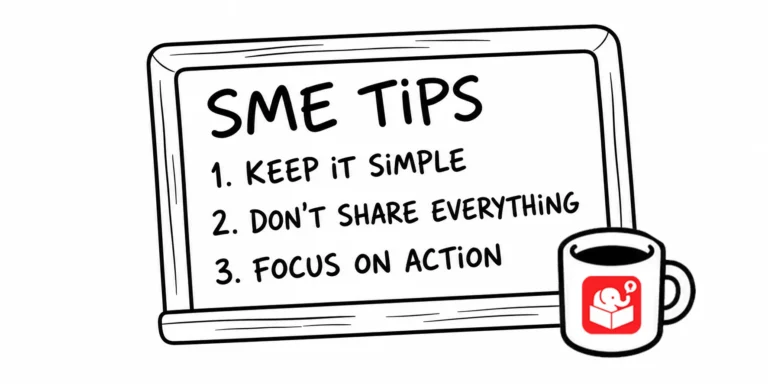
You've probably worked with a subject matter expert who knew everything about a topic but couldn't explain it in a way a new learner could follow. That's not a knock on them. Teaching is a different skill from knowing, and most SMEs have never been trained to do it.

Working with subject matter experts is one of the most challenging parts of building e-learning. The goal isn't to capture everything they know. It's to help them surface what learners actually need.
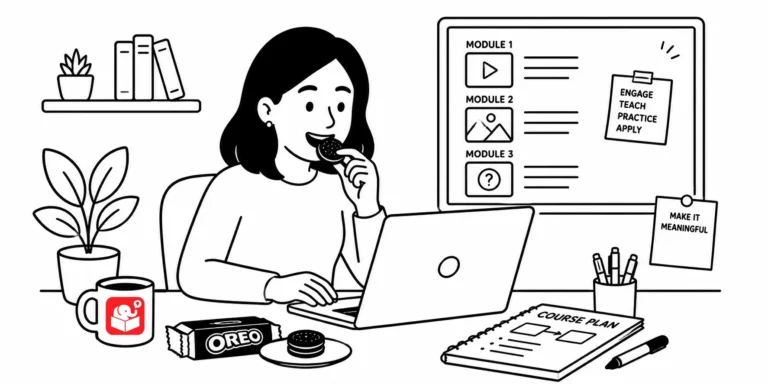
The easiest way to waste a training budget is to build a course nobody asked for. Most of us design around the content we have, not the problems learners face. The OREO framework gives you a practical way to flip that.
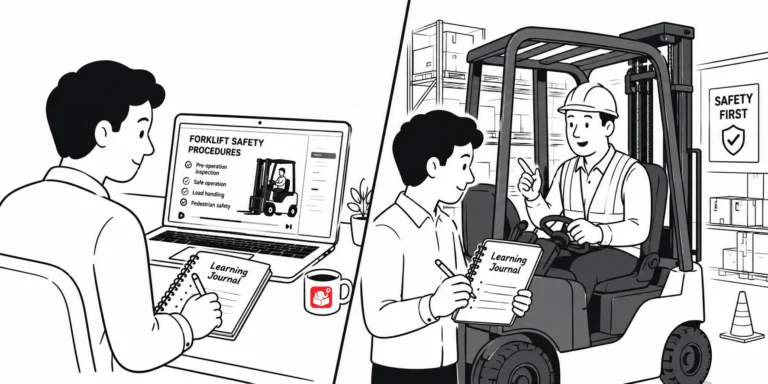
Most e-learning courses end when the learner clicks submit. But what happens to the learning after that? A learning journal extends your course into the real work environment and gives learners a guide for the weeks ahead.
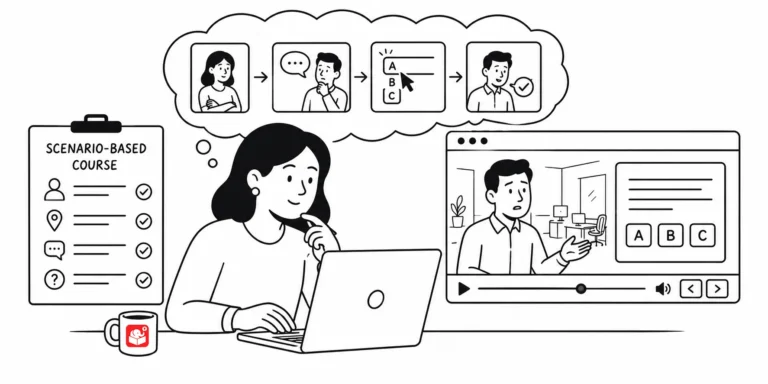
Most e-learning falls flat because it presents information and hopes something sticks. Scenario-based learning works because it gives learners a reason to need the content. Here's how to build one that works.
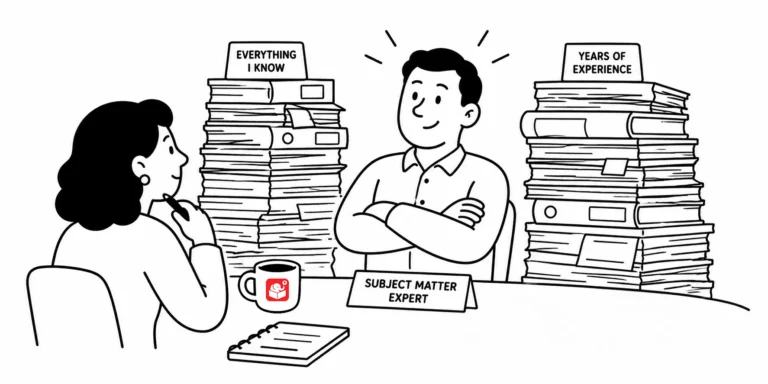
Subject matter experts have what your course needs and not much time to give it. How you manage the relationship before, during, and after each meeting determines whether your project flows or stalls. Here are seven habits that make it easier.
Most of us finish a course, hand it off, and move on. But what happens after launch matters more than most developers realize. Here are four things worth doing before you start the next project.