Physical Address
304 North Cardinal St.
Dorchester Center, MA 02124
Physical Address
304 North Cardinal St.
Dorchester Center, MA 02124
Helpful ideas. Squeaky value.
Helpful ideas. Squeaky value.
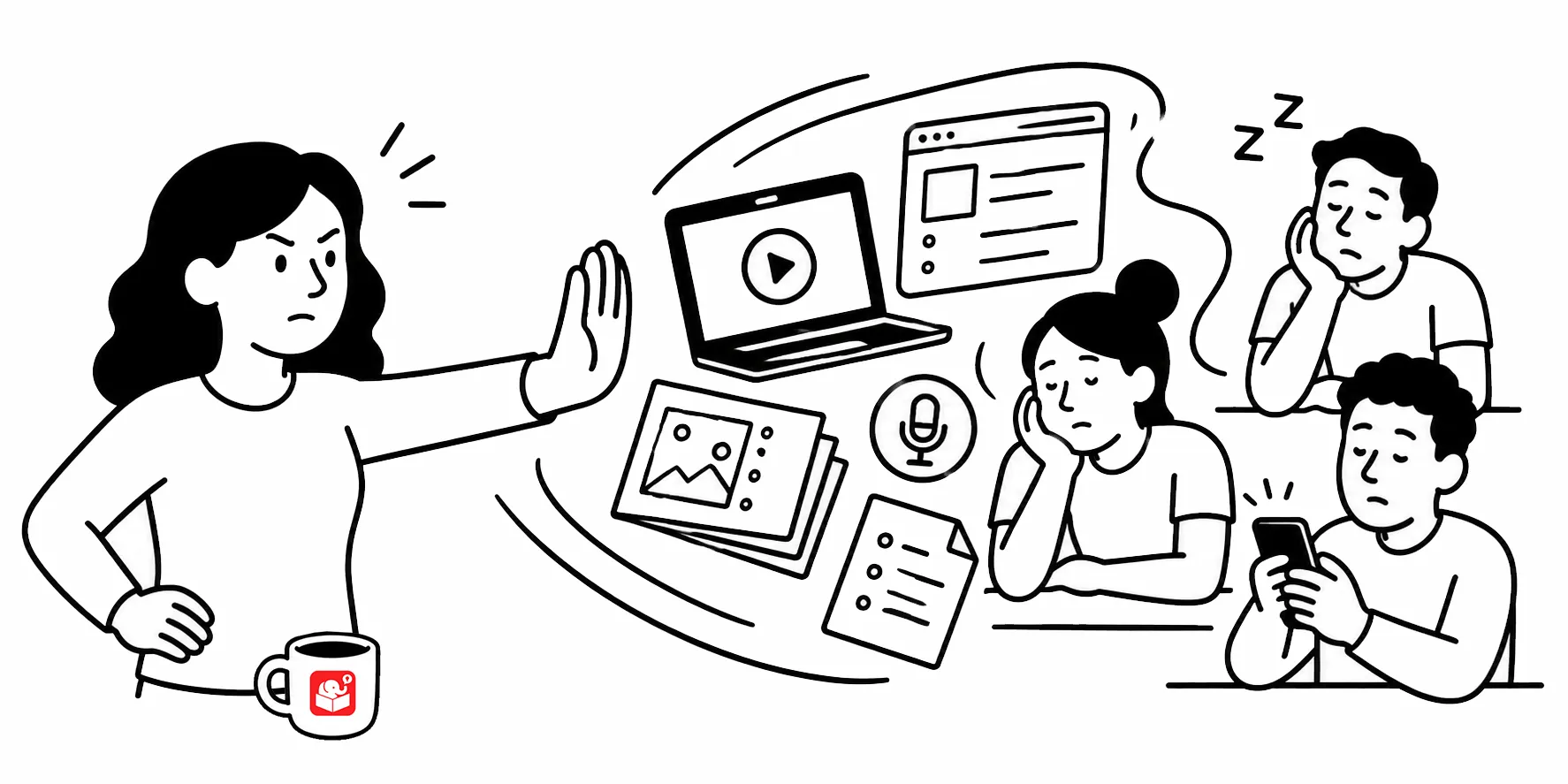
We build courses around the content we have, that our subject matters have said was important. We’re not always building it around what learners need to do with it. So learners tune out. They click through, pass the quiz, and forget everything by lunch.
The fix isn’t a fancier template or a shorter course. It’s relevance. In order of the course to be meaningful, it has to connect to what learners actually do on the job.
Getting relevance right isn’t a design trick. It’s about spending time with learners, bridging two often opposing audiences, and putting content in a context that makes sense.
A few years ago, I worked on training for people in a production facility. The job was mostly loading and unloading a fast, expensive, deafeningly loud machine. After a few days on the floor, I noticed that the machine intimidated new hires. Management constantly reminded them how costly it was, not to break it and not to slow down the work. And that anxiety hurt their performance.
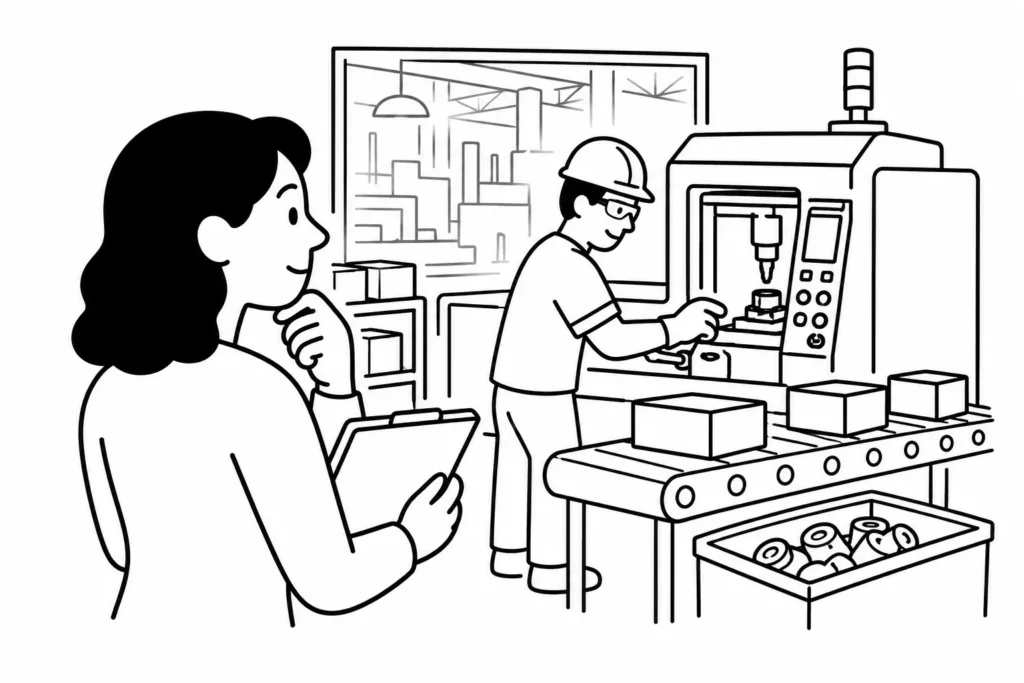
Because I spent time watching and listening, we built the training around preventive maintenance rather than operation, which the senior managers initially thought was stupid.
New hires learned to take the machine apart, clean it, and reassemble it before they ever ran a job. By the time they were operating it, the fear was gone. We cut a 90-day ramp-down to less than two weeks.
You won’t find that insight in a PowerPoint slide from a subject matter expert. You find it by showing up where the learners are.
Most courses are built around what the organization or subject matter expert wants to say. That’s understandable. But it’s not the same as what the learner needs to hear.
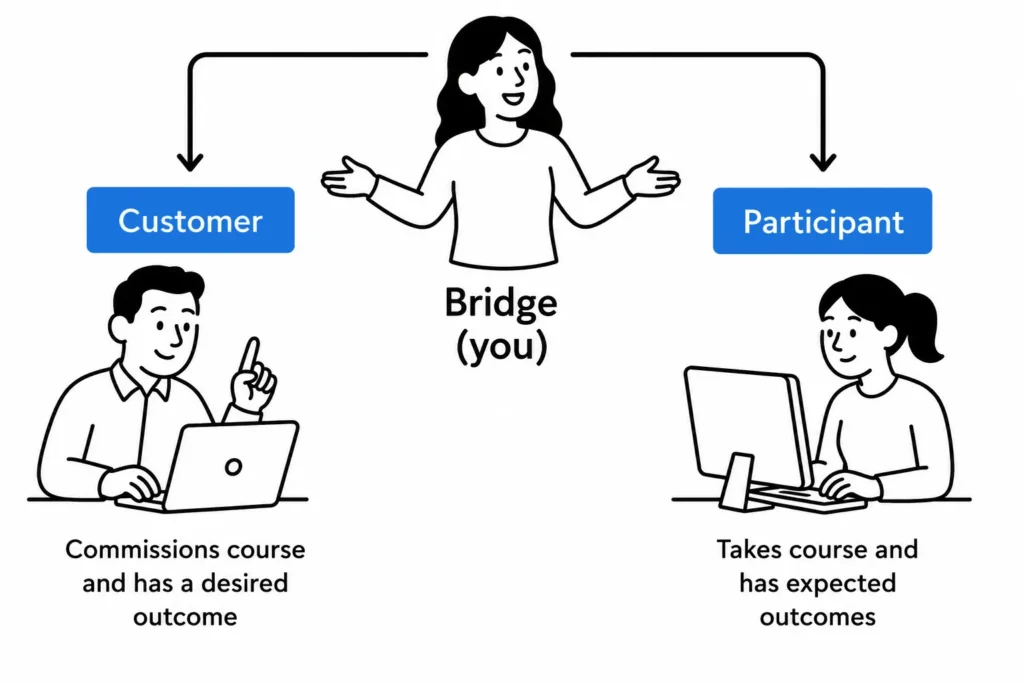
Your job is to hold both sides at once. There’s some tension because the organization has goals and the learner has a real working context. A good course serves both. That means pushing back on content that doesn’t connect to the job.
Get actual learners involved in the design process. New hires are especially useful. They can describe their confusion while it’s still fresh, before they’ve learned to just live with it.
Screen after screen of information is an online lecture. It’s the e-learning version of a professor reading from notes. The learning is passive, the content is probably boring, and nothing sticks.
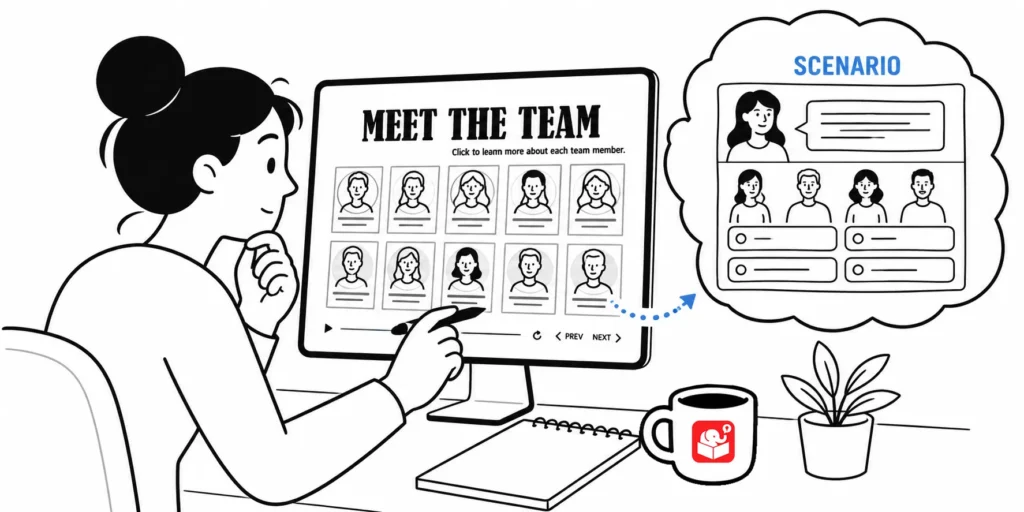
Scenarios change that. They put learners in a real situation, ask them to make a decision, and show what happens next. That’s not a nice-to-have. It’s the difference between a course that changes behavior and one that just gets completed. Even a simple branched scenario beats a dozen information slides.
You don’t need to rebuild your whole process to start here. Pick one of the three approaches and try it on your next project. Can’t do a full day on the floor? Try a 30-minute call with a few people in the learner’s role. Ask them what actually trips new people up. Let that shape at least one scenario in the course.
Small moves toward relevance add up fast.