Physical Address
304 North Cardinal St.
Dorchester Center, MA 02124
Physical Address
304 North Cardinal St.
Dorchester Center, MA 02124
Helpful ideas. Squeaky value.
Helpful ideas. Squeaky value.
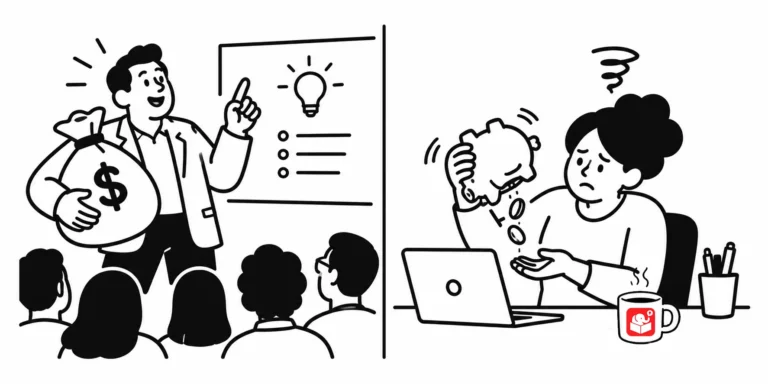
Your organization buys the e-learning software to build online training. They create a few courses and then wait for performance to improve. When the numbers don’t change, the conclusion is usually that the training team is not effective or maybe the software wasn’t right. Or maybe the training failed because it wasn’t engaging enough.
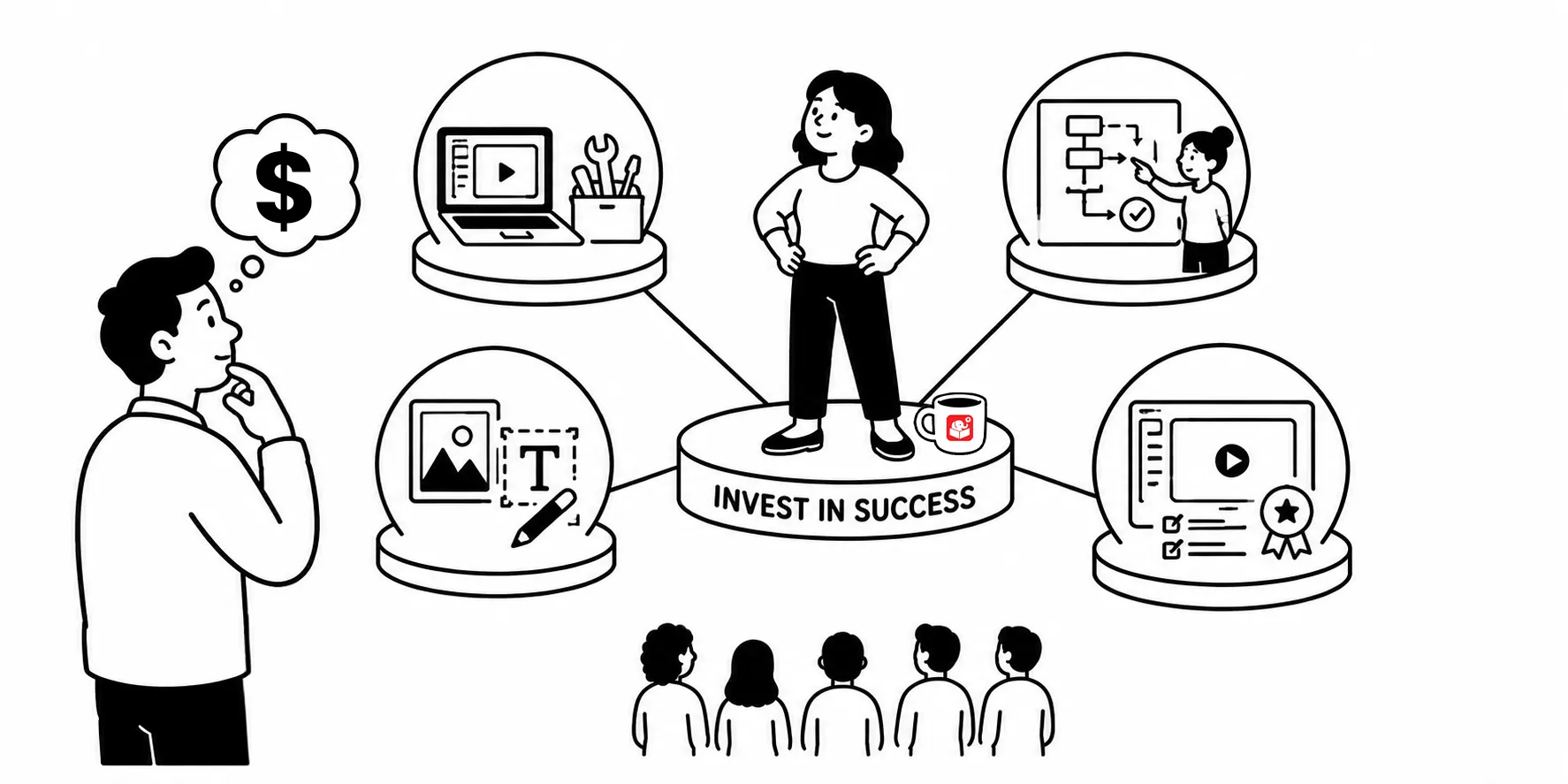
But much of the time, the real issue is a mismatch between the organization’s investment and expectations.
From my experience, many e-learning developers stumbled into the field. They usually started as a subject matter expert who was good at explaining who became a trainer and now is building e-learning. Some of them may just be subject matter experts with minimal training experience.
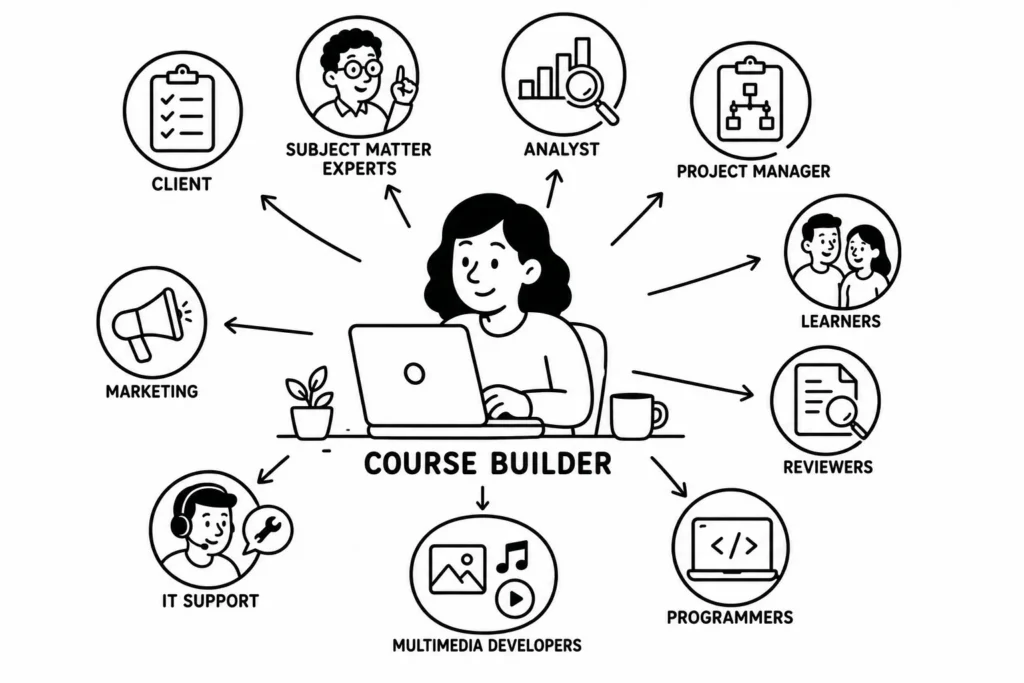
Regardles, they are now trainers, handed a tool, and asked to build something. That often means they’re working without the full range of skills that good course design requires.
Successful online training programs draw on many different skill areas. Here are just a few.
In smaller organizations, one person often covers most of these roles. That’s not impossible. But it means the organization needs to understand the scope of what’s required to build effective e-learning courses and support the person doing the work.
Considering the state of today’s elearning (where many courses are bland information dumps) it could be argued that perhaps graphic design may rank higher than instructional design. To be honest, I’d rather have a good-looking bad course than a bad-looking bad course.

Outside of instructional design and tool fluency, graphic design is one of the most influential skills you can develop. If you’re doing all the visual work yourself, this is worth investing time in. From my experience, most organizations neglect this and lean into the stock imagery and templates provided. Those are not ideal solutions in the long run.
The good thing is that AI promises to help in this area. We’ll see how that evolves over time.
Not all courses need to change behavior. Some courses exist to document that employees were informed of a policy. Others are meant to shift how people do their jobs. Treating them the same way is where organizations waste resources.
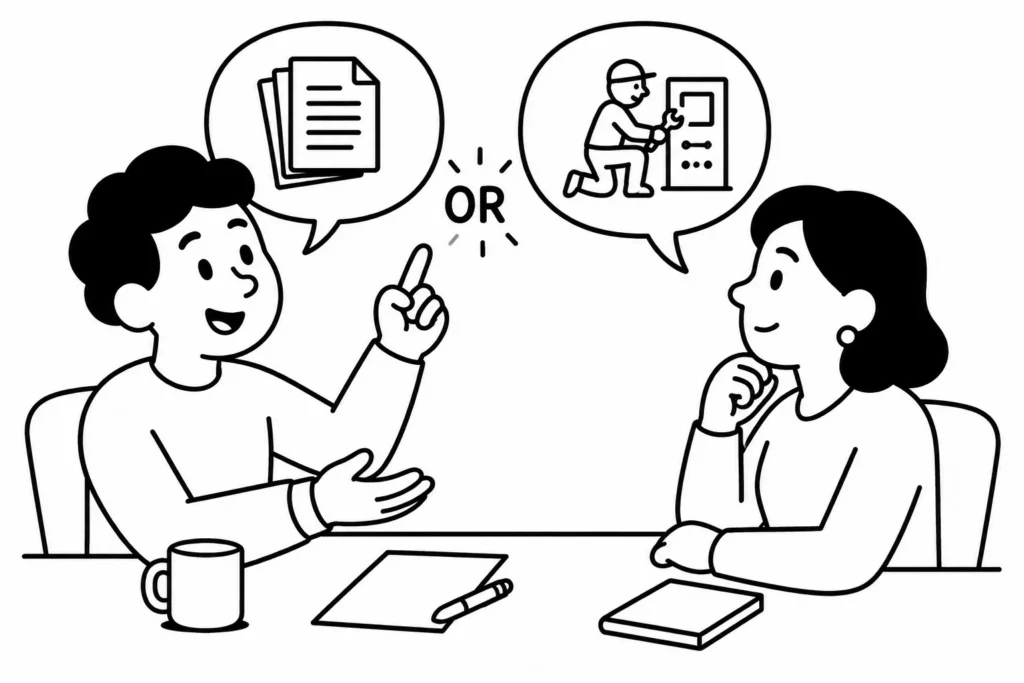
When compliance is the goal, the measure of success is completion at the lowest cost. When performance change is the goal, the measure is whether people do things differently. The first step is knowing which type of course you’re building before you build it.
A good performance consulting conversation at the start of a project can clarify this quickly. It keeps you from over-engineering courses that don’t need it. It also prevents you from under-investing in the ones that do.
Fixing these patterns starts with honest conversations about what training is meant to accomplish. Match your investment to your objectives. Build the skills that good course design requires. Distinguish compliance courses from performance courses before you start building. When those foundations are in place, better results follow.