Physical Address
304 North Cardinal St.
Dorchester Center, MA 02124
Physical Address
304 North Cardinal St.
Dorchester Center, MA 02124
Helpful ideas. Squeaky value.
Helpful ideas. Squeaky value.
A few years ago, I asked readers of this blog to define rapid e-learning. Over 200 definitions came in. What struck me wasn’t the winning entry (it was a raffle) but how different people’s mental models were for the same concept.
This speaks to diversity of perspective and experience.
That definition exercise showed something important. People use the same words but mean different things. We call that “abnstract equivelants” where we use the same word but the meaning that word holds for each person may be different.
Thus when we talk and use the same words, it doesn’t mean we’re all; saying the same thing or understanding something the same way.
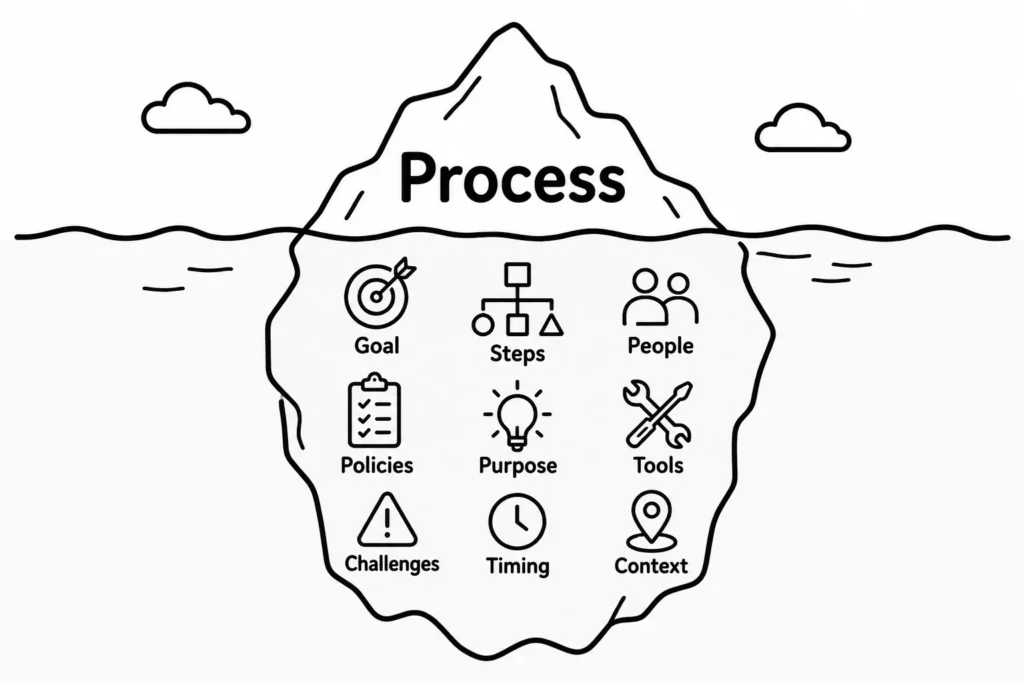
That gap widens when you train people across departments or build courses for global audiences.
You can close that gap intentionally:
The goal isn’t to explain everything. It’s to make sure your learners and your course are speaking the same language. That small investment at the start saves a lot of confusion later.
It’s easy to treat training as a checklist. Policy goes out, procedures get documented, and you ship a course with screen after screen of content. But content delivery and actual learning aren’t the same thing. That’s something that’s created a lot of tension between instructional designers and the organization’s the commission training.
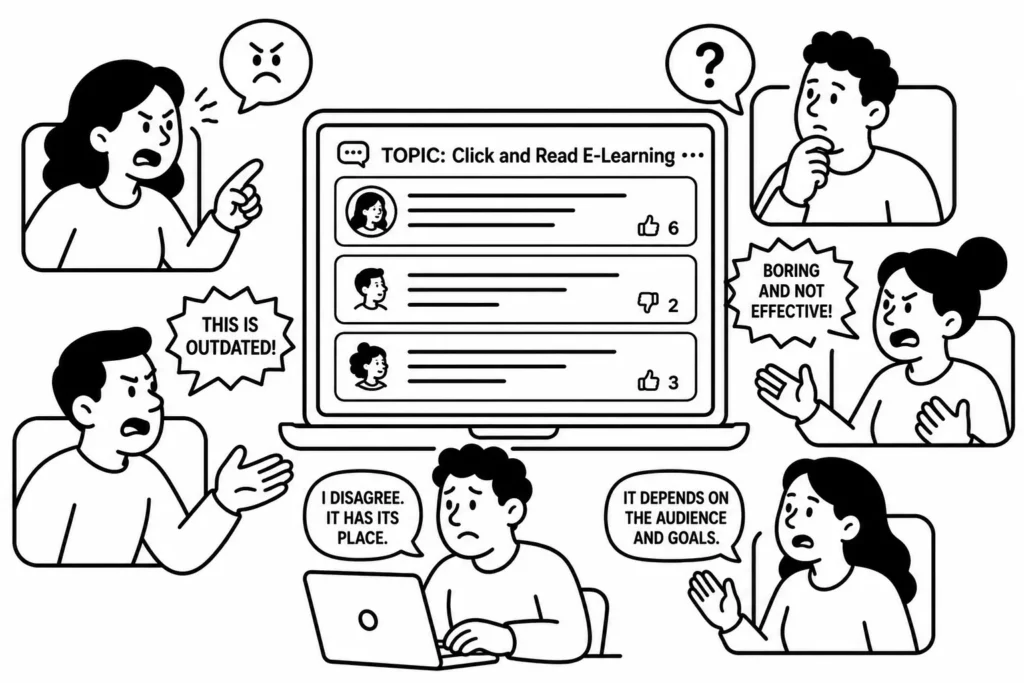
The e-learning community is full of people pushing back on that model. You see that in Reddit, LinkedIn, and in live events.
A few ideas worth borrowing:
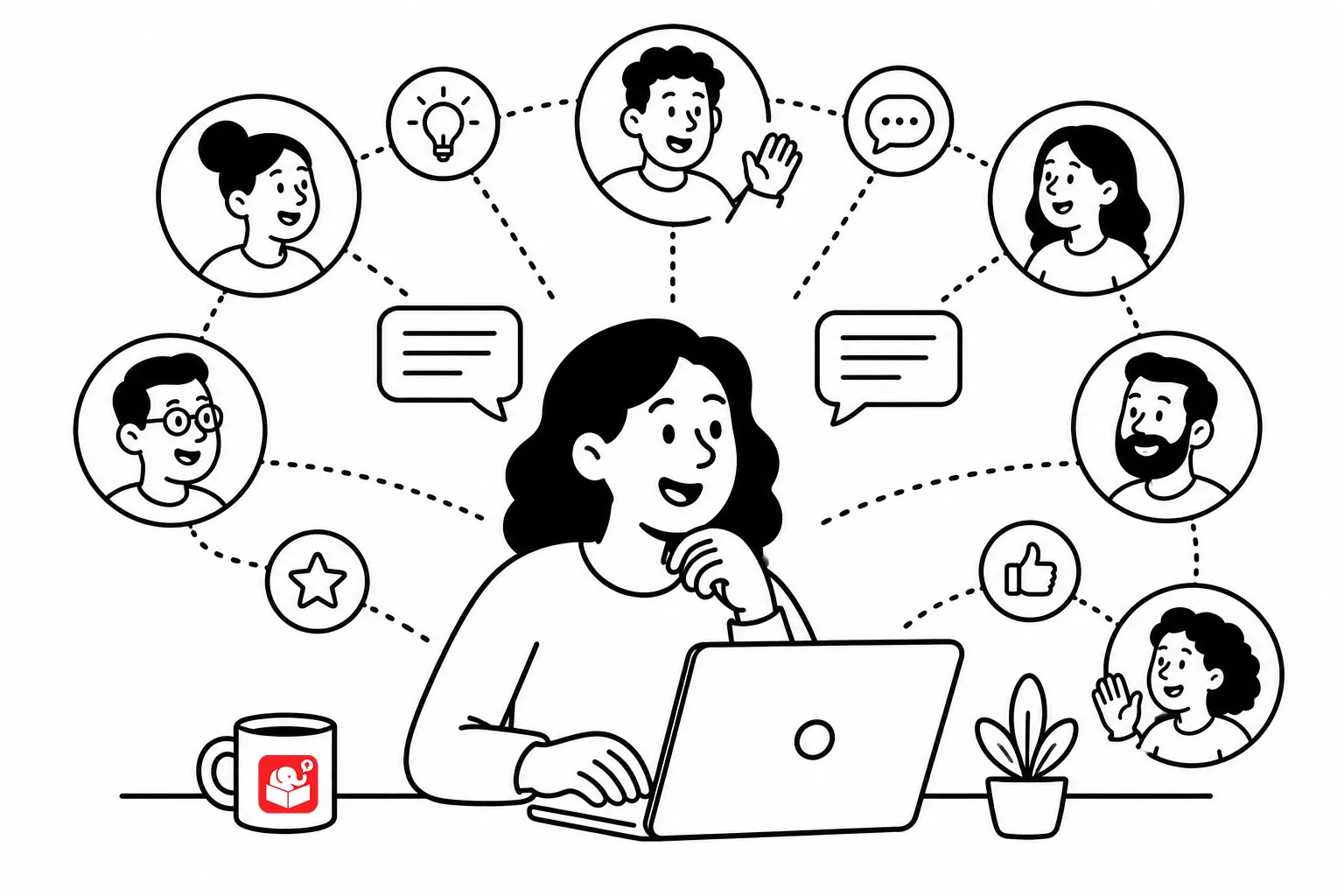
Most of what you know came from other people. A book, a colleague, a post someone shared. That was all created bny someone else. You consumed it and it became part of what you know. The e-learning community extends that network far beyond your immediate team.
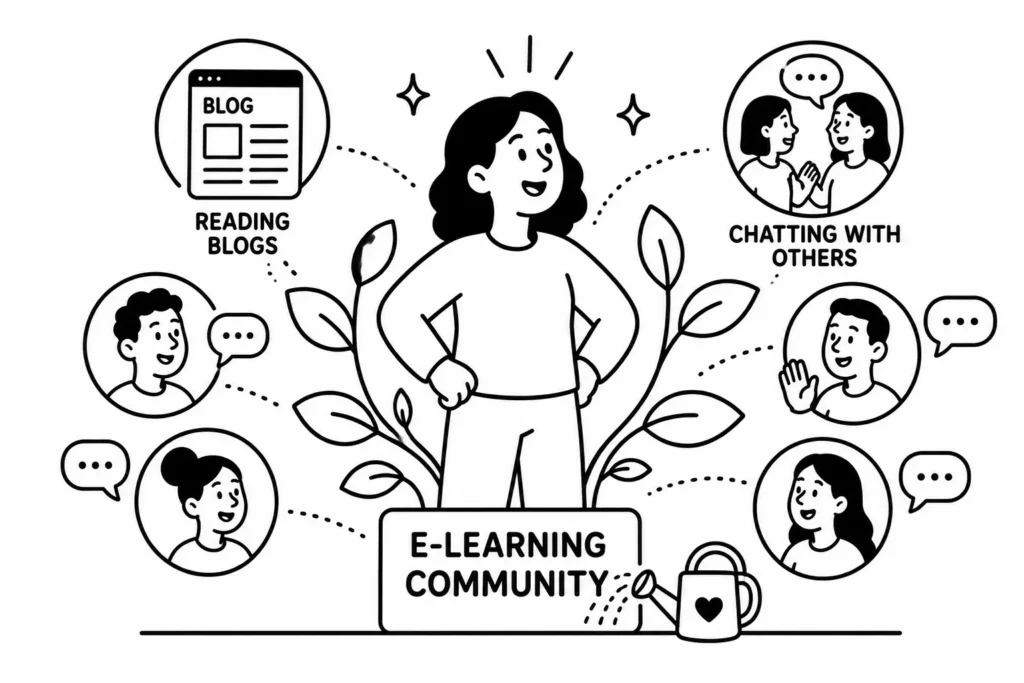
You can connect with people working in industries you’ll never work in. You can see how someone at a small nonprofit handles the same challenge you’re wrestling with at a large enterprise. That exposure changes how you think.
A few ways to tap into it:
We never stop learning from each other. The more you contribute, the more you get back.
Pick one thing and do it this week. Add a glossary to a course you’re updating, or find one e-learning forum you haven’t visited yet. The community grows when people participate.