Physical Address
304 North Cardinal St.
Dorchester Center, MA 02124
Physical Address
304 North Cardinal St.
Dorchester Center, MA 02124
Helpful ideas. Squeaky value.
Helpful ideas. Squeaky value.
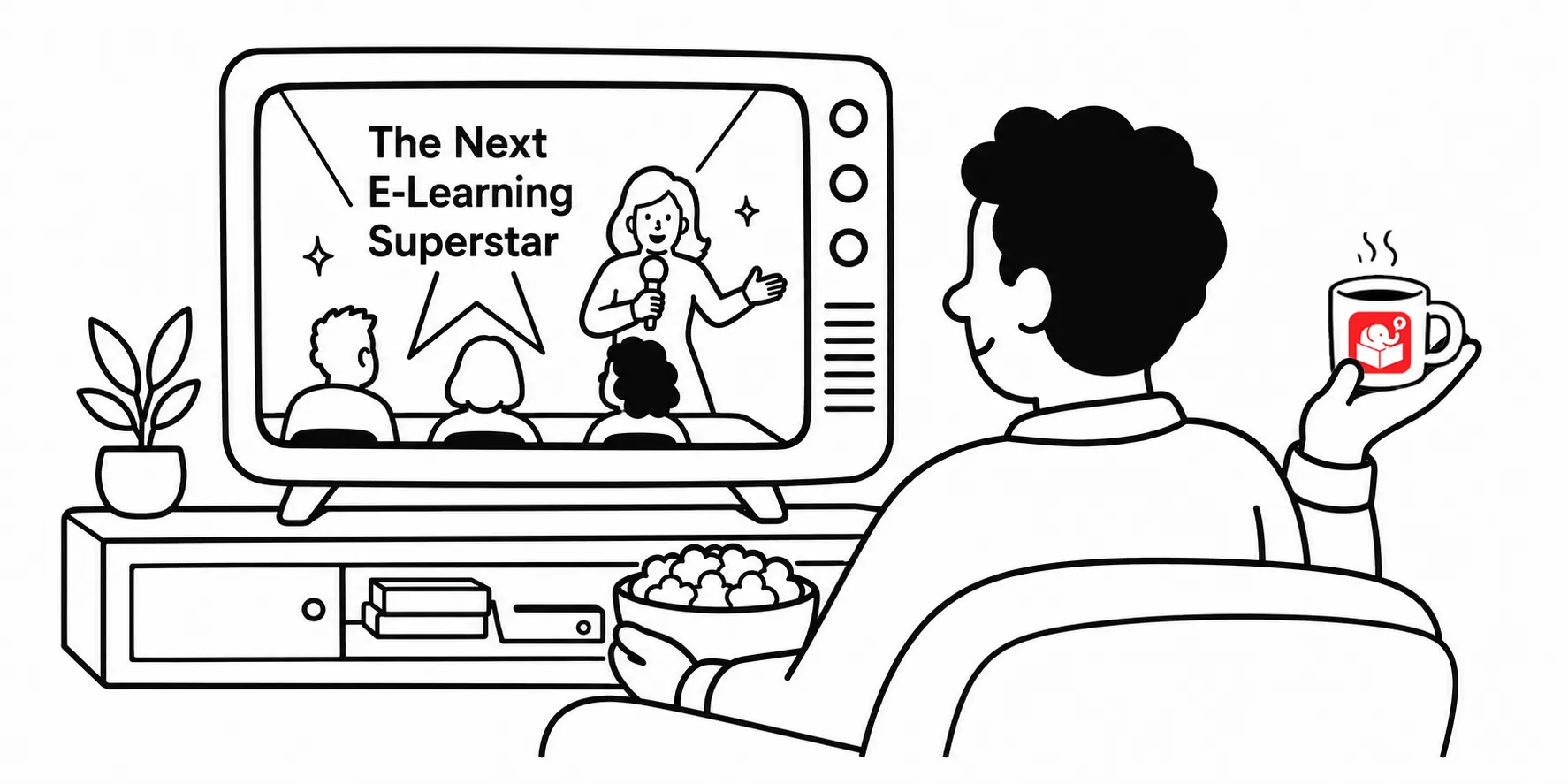
I’m not a big reality TV fan, but my wife is. She watches Project Runway and Top Chef, so I end up catching quite a bit of both. Some of what happens on those shows maps directly onto the challenges of building e-learning courses.
Reality TV shows always have colorful characters who create the drama. Some are arrogant. Some are downright ruthless. The other day my kids were watching a cooking competition. I used it as a teaching moment, and we talked about humility and being kind to others.
Turns out there’s more than lessons for kids. There are other things we can glean from reality TV that works for e-learning.
Here are five things we can learn from reality television.
Every competition gives contestants the same task and materials, yet what comes out is always different. One chef makes a classic dish; another deconstructs it; a third takes a cultural detour. None of them are necessarily wrong. They’re just different.
In e-learning, we often spend too much time hunting for the one correct course design. There usually isn’t one, and the people taking the course have no idea what alternatives you considered anyway.
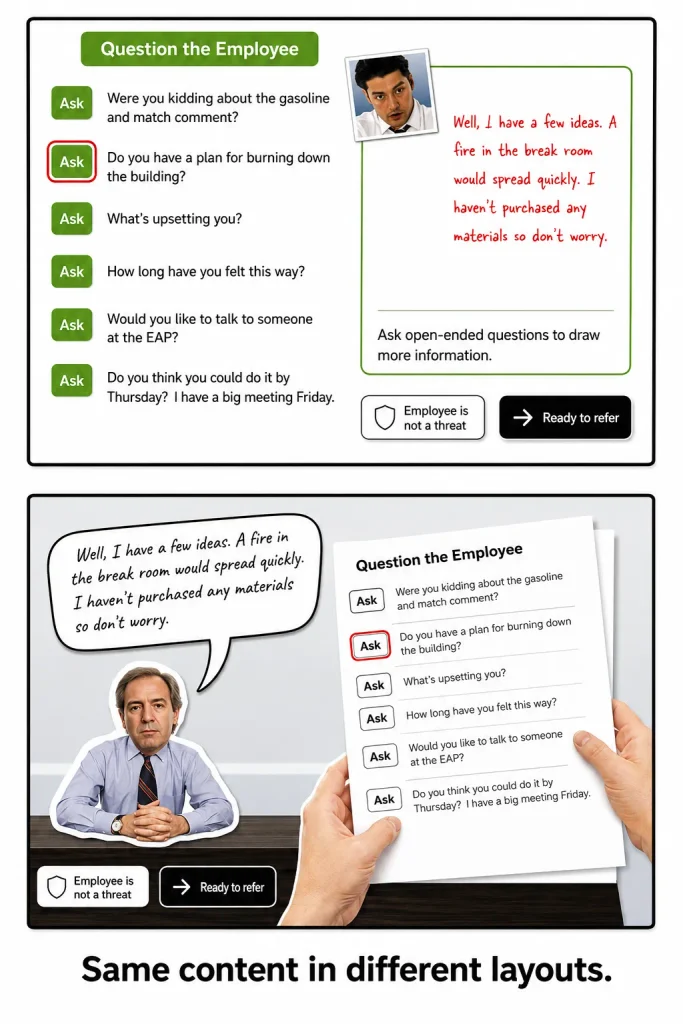
Don’t get paralyzed looking for the perfect approach. Brainstorm a few directions, get feedback from a colleague, and pick one. You’ll learn more by shipping something and seeing how people respond than by theorizing in isolation.
The contestants who struggle aren’t always the least talented. Often they’re the ones who argue with the judges instead of absorbing the feedback.
Your clients are the judges in this scenario. When they push back on your work, ask clarifying questions, take notes, and make changes. Humility goes further than a well-reasoned defense of the original design.
Asking good clarifying questions is different from being defensive. “What specifically felt slow?” gives you something to act on. “But here’s why I did it that way” does not. Know which one you’re doing.
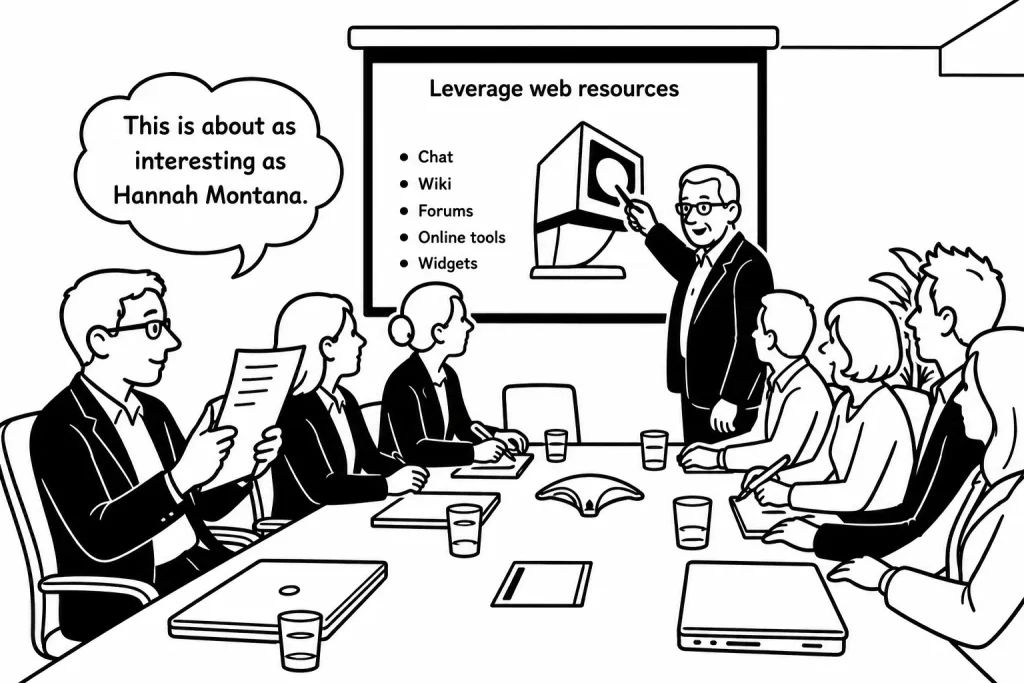
The feedback on those shows ranges from vague encouragement to specific, surgical critique. The specific kind is what actually helps people get better.
When you review someone’s e-learning work, “it feels slow” isn’t a useful note. “The audio narration runs past 30 seconds on most slides, and the screen content doesn’t change during that time” is.
Focus on the objective, describe what’s missing, and suggest a direction.
This applies to your own self-review too. When something feels off, push past the vague reaction and describe what specifically isn’t working. That’s how you develop real taste.
The designers on Project Runway often struggle when they get too attached to their own aesthetic. The ones who make it usually figure out how to marry their creativity with what the client actually needs.
E-learning is the same. Your favorite interaction or visual style might not be right for this learner or this content. The more learner-centric your decisions are, the more likely the course is to actually work.
The contestants who improve across rounds are the ones who take feedback and actually change their approach. They don’t just resubmit the same idea with a different color scheme.
Success in creative work is less about getting it perfect and more about adjusting after each round of feedback.
In e-learning, that might mean rethinking the whole structure of a module after a review, and that’s fine. That’s how the process works.
Watch a competition reality show with e-learning in mind sometime. Notice who takes feedback gracefully, who designs for the judges, and who makes real changes between rounds. Those are the professionals worth learning from. Take the five lessons from this post and pick one to focus on over the next month.