Physical Address
304 North Cardinal St.
Dorchester Center, MA 02124
Physical Address
304 North Cardinal St.
Dorchester Center, MA 02124
Helpful ideas. Squeaky value.
Helpful ideas. Squeaky value.
Originally published: January 16, 2018
Original URL: https://blogs.articulate.com/rapid-elearning/when-to-use-emojis-for-e-learning/
Emojis are basically modern-day hieroglyphics. Picture archaeologists thousands of years from now spending years digging up old emoji messages, then more years trying to figure out what they mean — only to conclude we worshipped a group of goddesses called the Kardashians.
Scary, right? But hey, we can do our part by being smart about how we use emojis in our training programs.
The first emojis came from Japan. The word literally means “picture character.” They started as shorthand for emotions but quickly evolved into a broader communication layer. There’s even an emoji adaptation of Moby Dick.
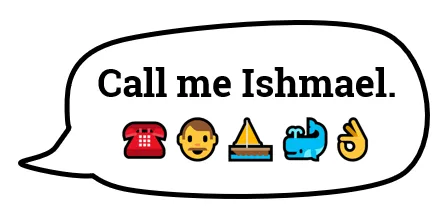
What makes them interesting for instructional designers is how they straddle the line between text and graphic. Unlike an image file, an emoji is part of the text stream. It flows with the content rather than sitting separately on the slide.
Emojis are ambiguous by design. The same emoji can read differently to different people, and it may render differently on different devices. What you see on your screen may not match what your learner sees on theirs.
There’s also a layer of cultural and political sensitivity worth considering. Gender representation, skin tones, and cultural references can all carry meaning you didn’t intend. If an emoji pulls a learner out of the content, it’s not helping.
Two approaches tend to work consistently. The first is placing an emoji next to a section title as a visual cue. It adds contrast to the screen and makes scanning easier. The emoji supplements the text rather than replacing it.

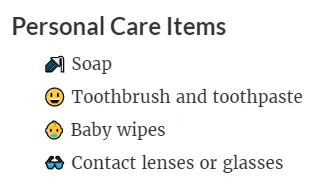
The second approach uses emojis as bullet point markers. Each item gets its own icon instead of a standard bullet. This adds visual interest and makes each point feel distinct. The challenge here is finding an emoji that actually fits the topic, and when there’s no obvious match, you’ll need to get creative. That’s where miscommunication risks go up.
A few practical issues apply regardless of which authoring tool you use.
As more authoring tools support emojis natively, the decisions around when to use them will get more interesting. Think of them the way you’d think about any visual element: they should serve the content, not decorate it. Used selectively, they’re a practical addition to your design toolkit.