Physical Address
304 North Cardinal St.
Dorchester Center, MA 02124
Physical Address
304 North Cardinal St.
Dorchester Center, MA 02124
Helpful ideas. Squeaky value.
Helpful ideas. Squeaky value.
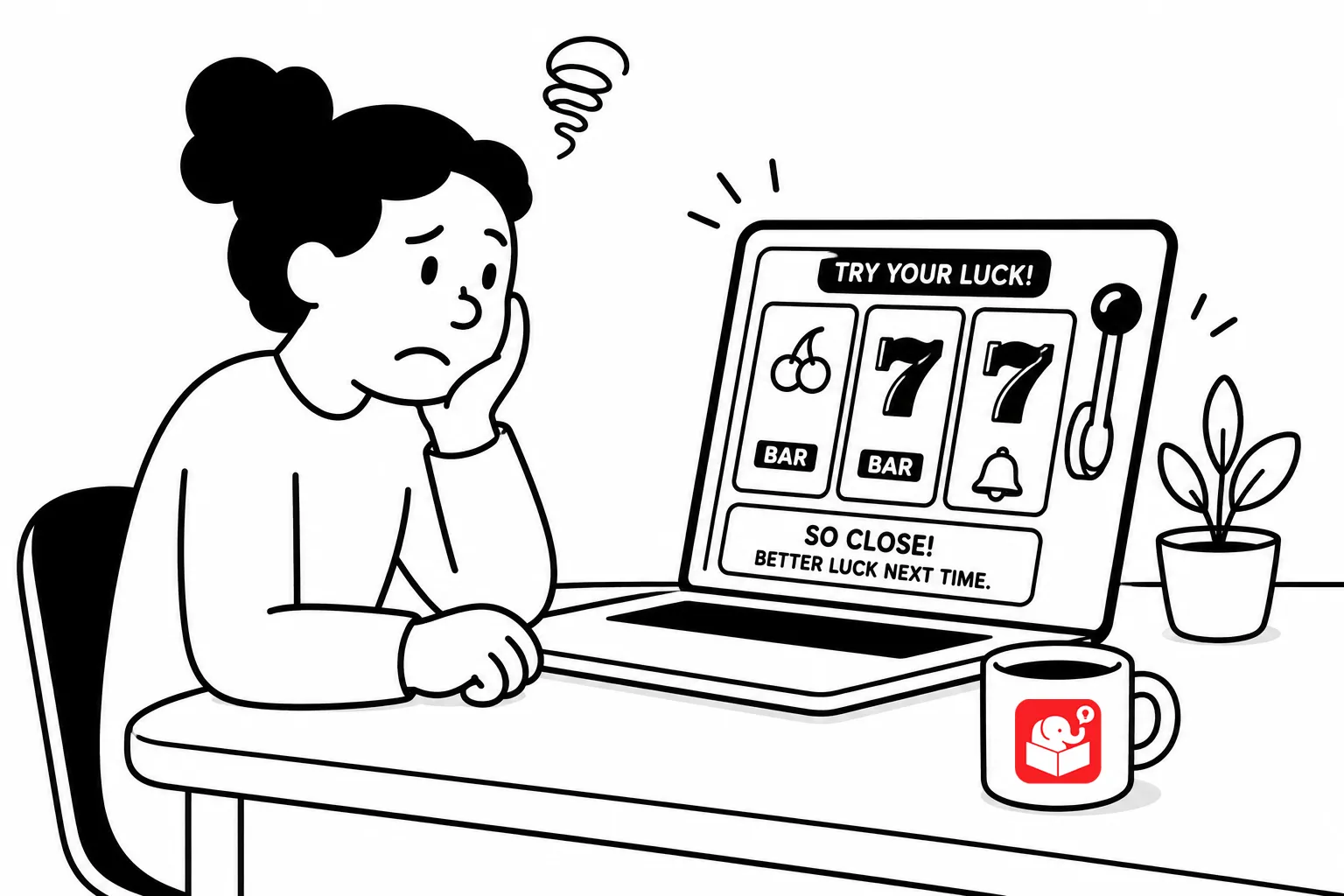
Most slot machines pay out more than 90% of what you put in. Do that enough times and you still end up with 90% of nothing. The gambling industry calls this the grind, and yet people keep playing anyway.
The reason people keep putting money into the slot machines is because they win enough to keep them going thinking the big win is due soom. That near-miss feeling is not an accident. It’s engineering.
Good video games use the same mechanic. They get you to the edge of the next level, then knock you back just before you cross it. You’re close enough that quitting feels like giving up something real. So you stay.
Your wife goes out to eat by herself. You keep playing. {not a true story] 🙂
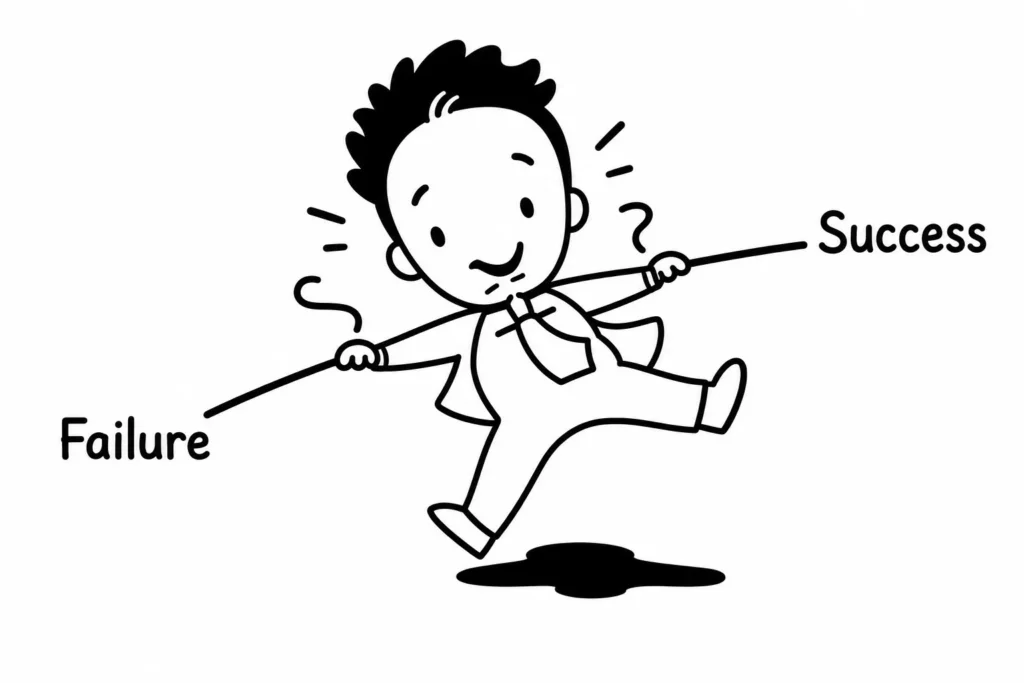
That tension between almost-success and not-quite-there is one of the most powerful motivators in learning environments. The problem with most e-learning is that it removes the tension entirely. You click next. Content appears. You click next again. There’s no near-miss. There’s no almost. There’s just information moving across a screen.
That usually happens because someone took a classroom course and translated it slide by slide into an online format without asking what the learner actually needs to do.
During my first week at Pepperdine, our cohort had to build Lego Mindstorm robots for a competition. We learned a simple programming language, worked through team dynamics, and figured out the physics of building these vehicles. None of us knew what we were doing.
Most of us came in early and stayed late. Not because we were told to. Because we were close, and close felt like enough reason to keep going.
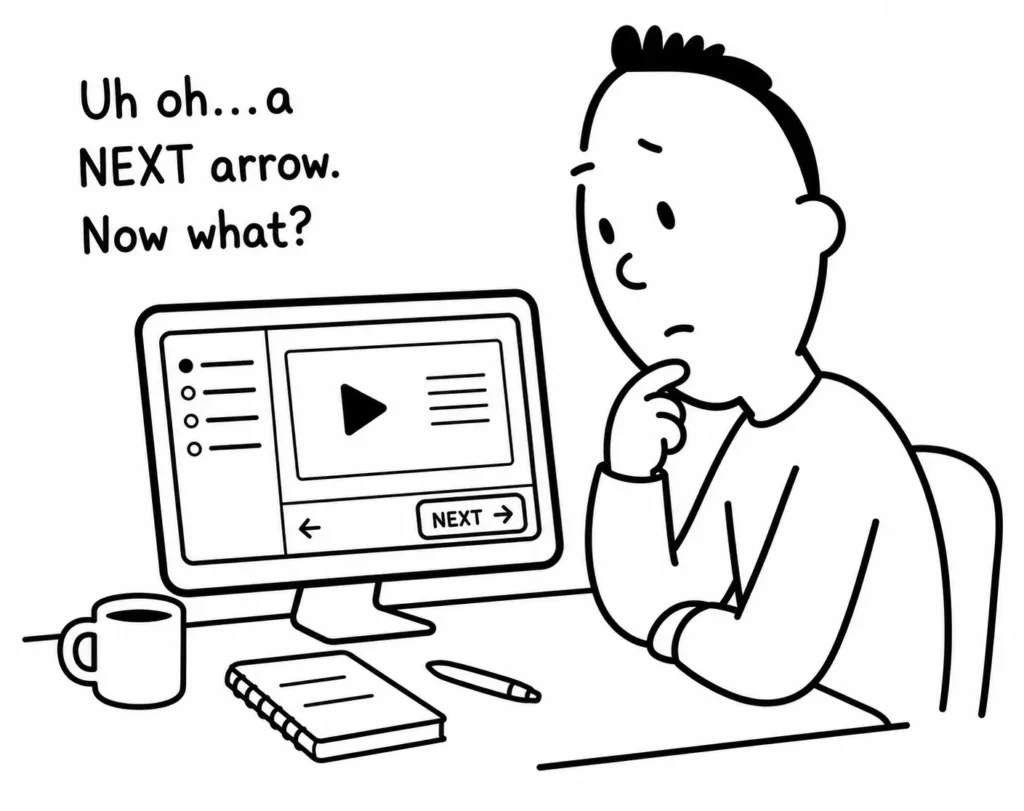
That’s the challenge for e-learning design. Instead of presenting information, present a problem first. Make the learner figure something out before you give them the answer. Use the content as a resource they pull toward a solution, not a series of facts they receive before a quiz.
Here’s the tension: challenge learners too much and they check out. Challenge them too little and they click through on autopilot. The goal is to push them past their comfort zone without making forward progress feel impossible.
We tend to err toward too easy, partly because learners complain loudly at the first sign of confusion. But not knowing something is the starting condition for real learning. It creates the reflective thinking that makes information stick. You need feedback mechanisms that let learners adjust, not just a final pass-fail score after the last slide.
One of the genuine advantages of e-learning is that failure has no social cost. Nobody sees the learner struggle. That’s a safe environment by default. Use it.
Watch a five-year-old with a computer. Their instinct is to click everything and see what happens. They don’t need instructions. They need something interesting to poke at.
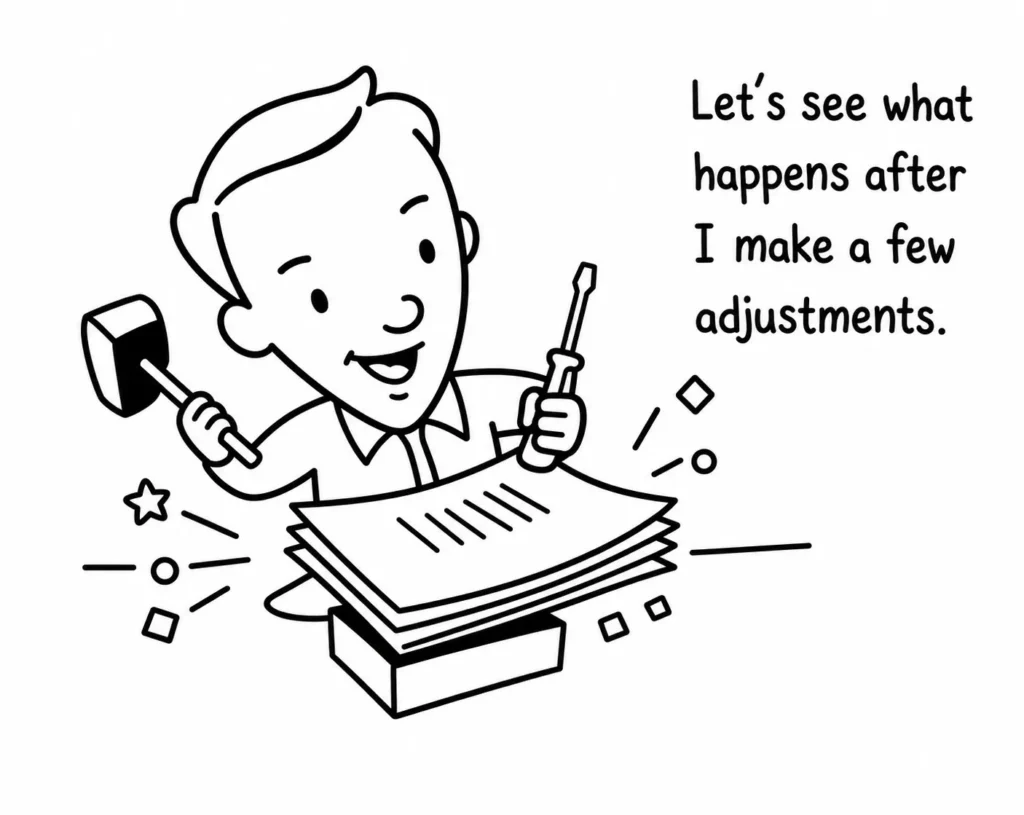
Adult learners lose that instinct over time. We’ve been conditioned to avoid actions that might look wrong in front of other people. The safe environment matters because it gives curiosity permission to operate again.
Create something for learners to explore. It doesn’t need to be a full simulation. Even a simple scenario where every choice leads somewhere activates a different kind of attention. Don’t block letting them see the results of other choices. Let learners see what happens when they pick the wrong path.
Pick one module you’re currently building and find one place where you’re presenting information that a learner could instead be asked to figure out. Give them a problem that requires the information to solve. Let them get it wrong before you show them the right answer. That single change, applied consistently, starts to shift your courses from content delivery toward something closer to actual learning.