Physical Address
304 North Cardinal St.
Dorchester Center, MA 02124
Physical Address
304 North Cardinal St.
Dorchester Center, MA 02124
Helpful ideas. Squeaky value.
Helpful ideas. Squeaky value.
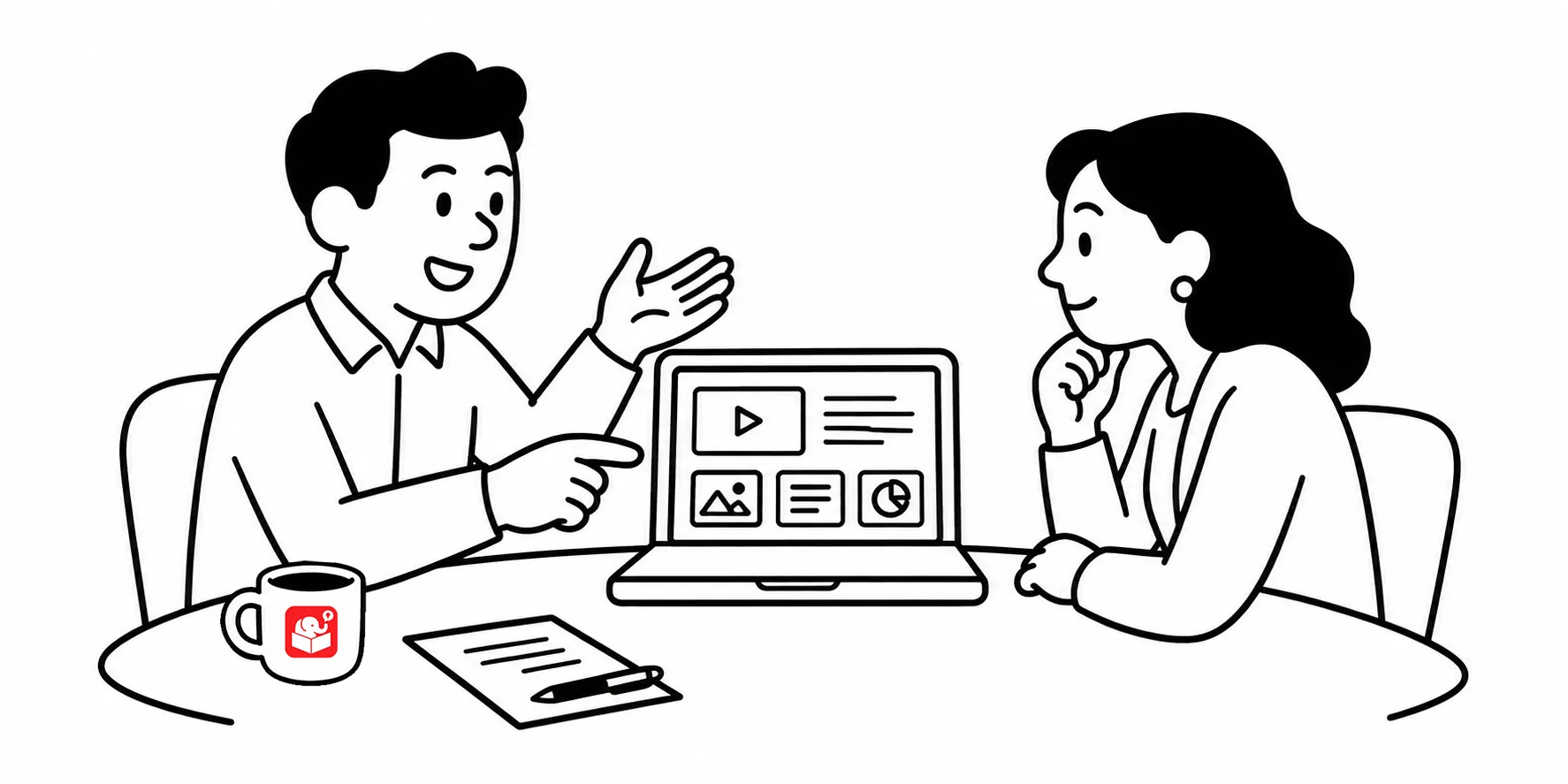
A manager walks into your office and says they need a course. Before you start thinking about slides, there’s a more fundamental question to answer.
Is a course actually the right solution?
People don’t sit around waiting to take e-learning courses. They do their jobs. Sometimes they need to know something new. Or sometimes their work objectives change. And that’s where training could be a potential solution.
Courses exist to solve something. The goal is to know what it’s solving. A lot of e-learning gets built by repurposing content that is already available with no real connection to any objective. For some reason, the organization thinks they need a course. Why?
Your first conversation with a client should focus on outcomes. What are they trying to change or improve? What does success look like? If they can’t answer those questions with observable actions or measurable outcomes, you’re probably not solving a training problem yet.
Getting your client to think before you meet saves a lot of time. Send over a few core questions in advance so they come prepared. The initial conversation will go further when they’ve already considered the audience and what they want to achieve before meeting with you.
Here are the key areas to cover:
Leave every meeting with clear action items. If a meeting doesn’t produce at least one decision, it probably wasn’t necessary. The goal is to keep momentum and avoid the late-stage surprises that come from unanswered questions.
Here are some free project documents to help you get started.
Starting a project well is mostly about asking the right questions early. The more clarity you establish upfront, the fewer major revisions you’ll face later. As you take on more projects, these questions become second nature. Your clients will start to see you as someone who helps them think, not just someone who builds slides.