Physical Address
304 North Cardinal St.
Dorchester Center, MA 02124
Physical Address
304 North Cardinal St.
Dorchester Center, MA 02124
Helpful ideas. Squeaky value.
Helpful ideas. Squeaky value.
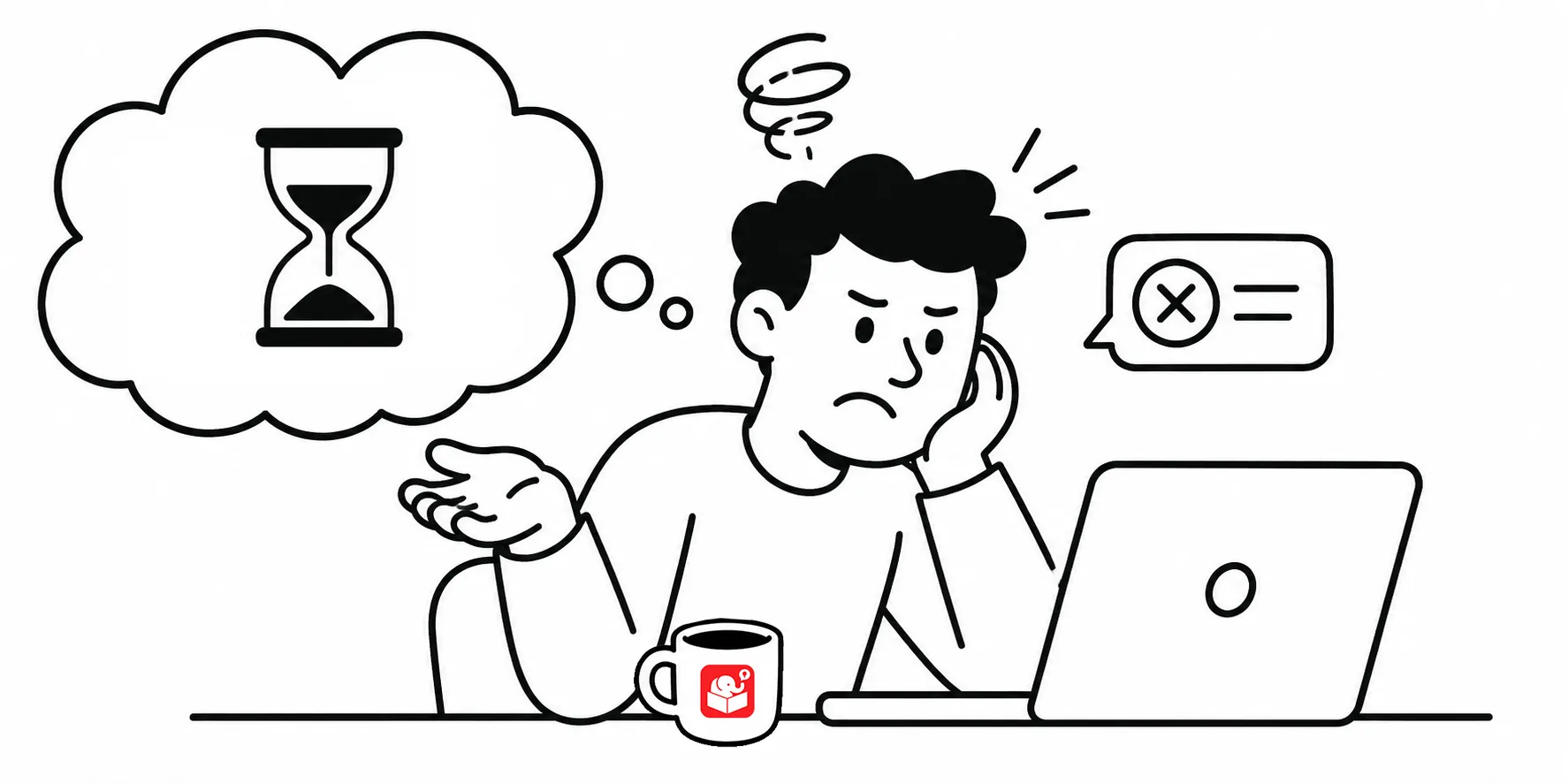
Most learners just want in, done, and out.
A while back I asked some friends what they thought of the e-learning at their jobs. None of them started with a compliment. They described courses full of outsdated nonsense, topics that didn’t matter, and content that never got to the point. And then the worst quizzes.
Although one friend said he enjoyed e-learning better than going through live training which didn’t offer the same ability to click and leave that an online course does.
A lot of wasted time in e-learning starts at the design stage. Lots of courses that try to cover everything end up teaching nothing well.
Ask one question before you build: what does the learner need to be able to do after this course?
Everything in the course should contribute to that answer. If a piece of content doesn’t move the learner toward that outcome, cut it. There are better places for supporting information, like a resources tab or a job aid.
Sometimes a course isn’t even the right answer.
If the content is mostly reference material, a well-organized web page or a simple job aid might serve learners better. Don’t build a course just because you can or it’s easy to do with the software. Especially not now when you can create all sorts of nonsense with AI that looks like it has value.
The value is performance improvement and not bloated content.
When you drop a hyperlink into a course slide, you’re inviting the learner to leave. Some will come back. Many won’t.
Think about how it works on the web. You start reading about one thing and an hour later you’re somewhere completely different. The same thing happens in e-learning. If learners need five external links to follow the content, the course isn’t focused enough.
What’s the one key point on the screen? Focus on that and not pushing out ten extra links.
If supplemental material is genuinely useful, consolidate it. Put all the extra links in one resources section at the end or in an attachments tab. That way the learner knows where to find it, but it’s not interrupting the flow of the course.
Not every training need requires a full course with navigation, a menu, and a quiz. Some topics are better served by a simple interaction or a short informational module or coursel.
This matters a lot for compliance and HR training. Sometimes the organization just wants to share information and confirm that people received it. In those cases, a quick informational module is faster to build and less frustrating for the learner. They don’t have to sit through a complicated course with a bunch of decision-making interactions just to read a policy update and take a quiz.
The goal is always the same: respect the learner’s time by building exactly what the situation requires. No more, no less.
Before your next build, write down the single outcome the course needs to achieve. Then audit your content against it. Cut anything that doesn’t serve that outcome directly. Move supplemental material to a dedicated resources section. And ask whether a full course is the right format at all. Sometimes a simple module or a job aid is the smarter call. And the one your learners will actually appreciate.