Physical Address
304 North Cardinal St.
Dorchester Center, MA 02124
Physical Address
304 North Cardinal St.
Dorchester Center, MA 02124
Helpful ideas. Squeaky value.
Helpful ideas. Squeaky value.

I’ve been writing an e-learning blog for over twenty years. I’ve been going through some old content to see what is still relevant. I ran across some old workshop slides with a short list of tips for beginners. The tips still hold up. Let me walk you through them.
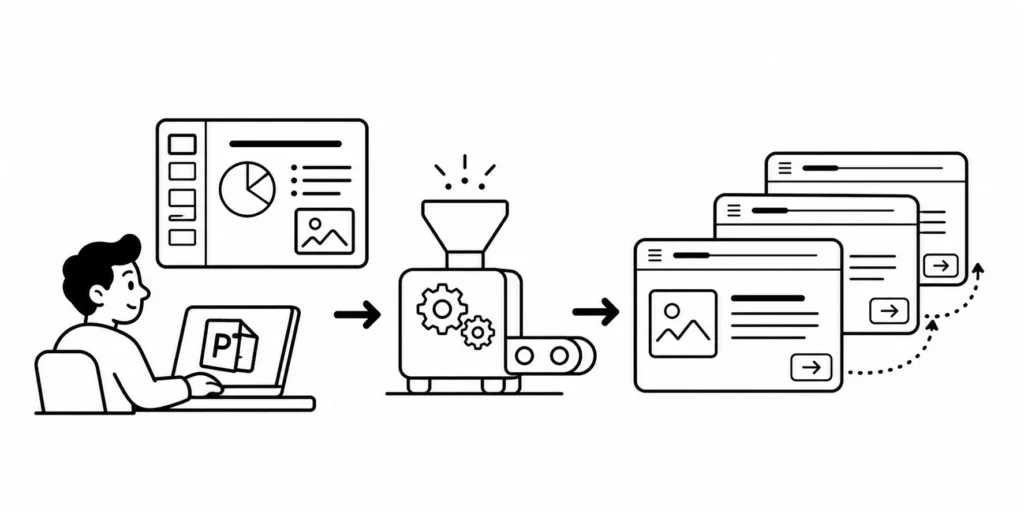
This is probably the most common mistake new instructional designers make. They take existing PowerPoint or Canva slides, import them into the authoring tool, add a quiz, and call it done. For compliance or annual refresher content, that sometimes works. But it’s not a true learning experience.
The better approach is to design backwards. Start with what learners need to do or demonstrate. Then build activities and content that help them get there. That shifts the course from a content dump to something that actually changes behavior.
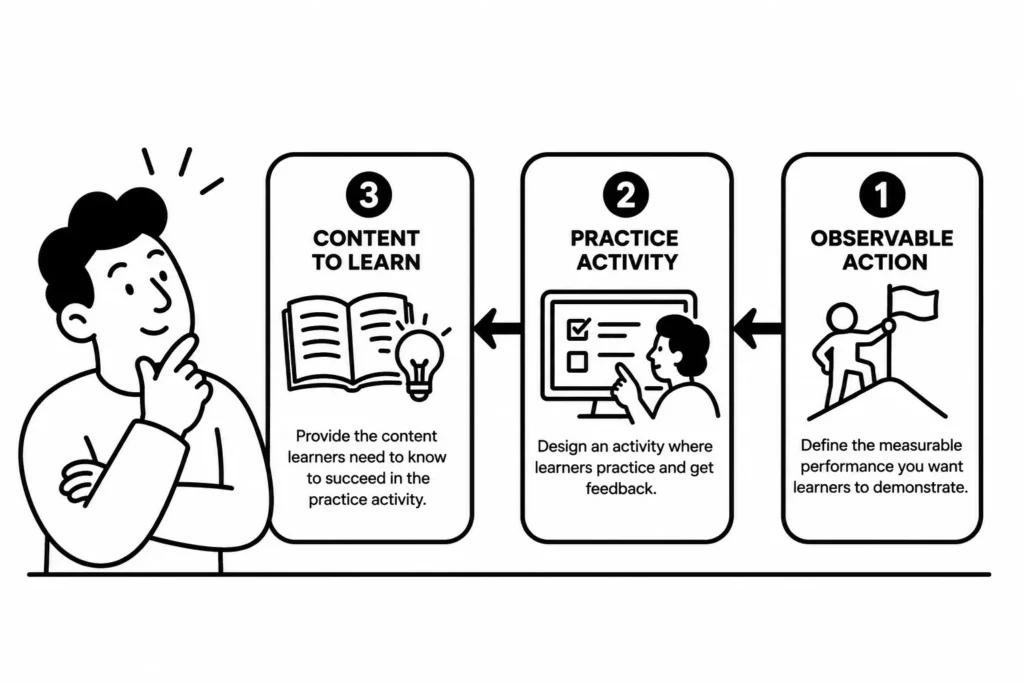
Backwards design has been a round for a while, but Cathy Moore does a great job explaining it in her book. Definitely one to have on your shelf.
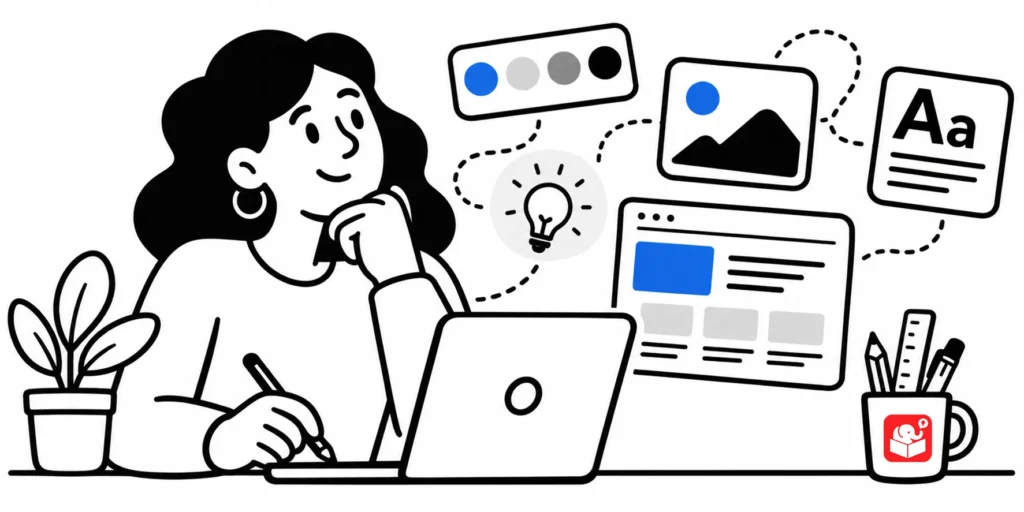
You’re asking people to sit in front of a screen and pay attention. Good visual design makes that easier. It shows intention and contextual connection to the content. Poor visual design makes it more difficult because if it isn’t initially engaging, learners start clicking through without reading.
You don’t need to be a graphic designer. But you do need a basic understanding of how to structure content on a screen. There’s lots of free content online and some good blog posts, but two books worth having: The Non-Designer’s Design Book for layout fundamentals and Slideology for visual communication. While you’re building those skills, make accessibility part of your process from the start.
If you only know the basics of your authoring tool, you’ll only build basic courses. That’s not a criticism. It’s just the reality of any craft. Here’s why investing in learning more about your software pays off.
The weekly e-learning challenges are one of the best ways to build those skills. They give you a specific prompt so you’re not starting from scratch. Try to complete one per quarter at minimum. You’ll build skills and have portfolio pieces. And even when you don’t build something, browse the recaps to see what others create.
Getting started is the hardest part. Once the fundamentals click, every course you build gets a little easier to plan and execute. What’s one thing you can start building this week?