Physical Address
304 North Cardinal St.
Dorchester Center, MA 02124
Physical Address
304 North Cardinal St.
Dorchester Center, MA 02124
Helpful ideas. Squeaky value.
Helpful ideas. Squeaky value.
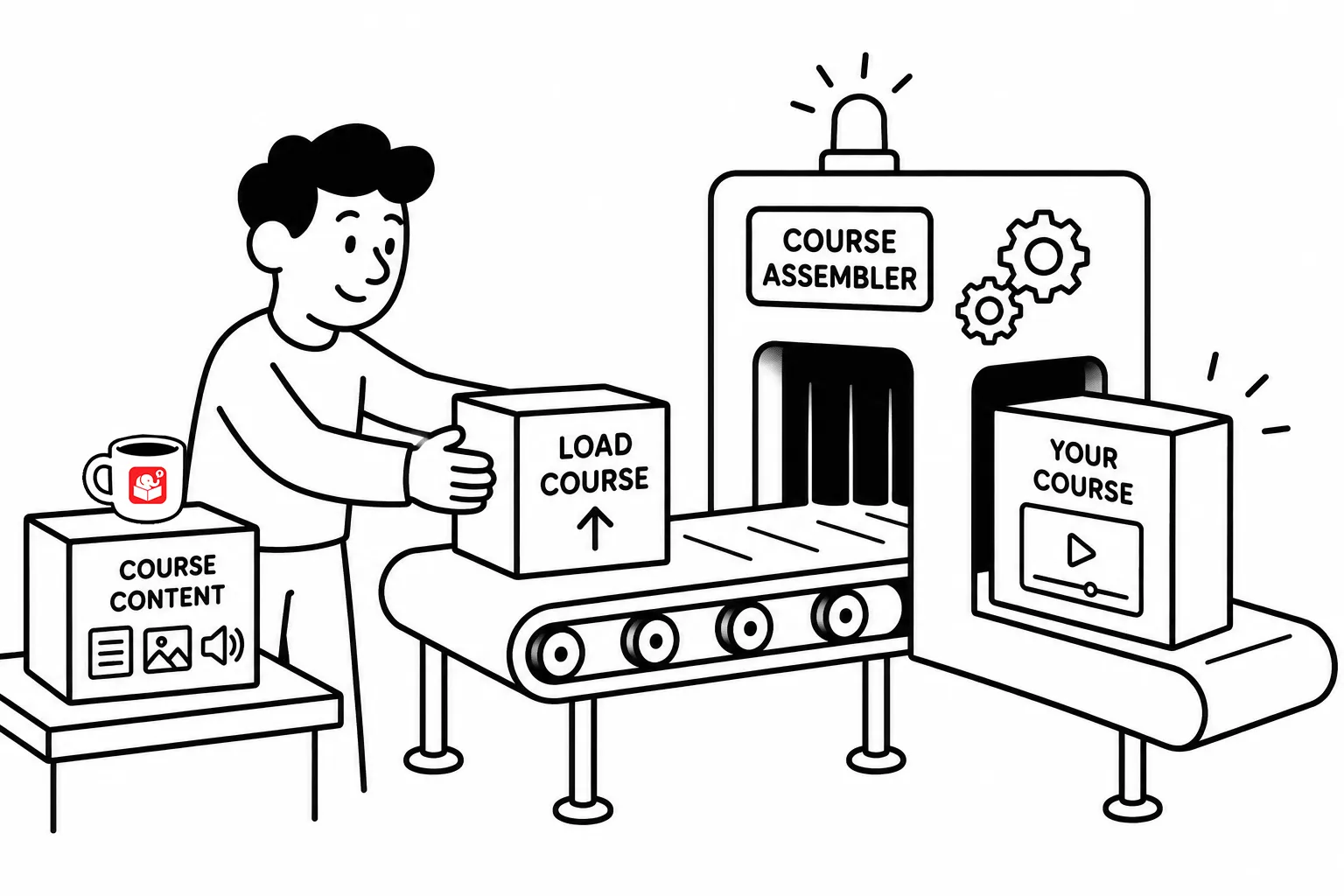
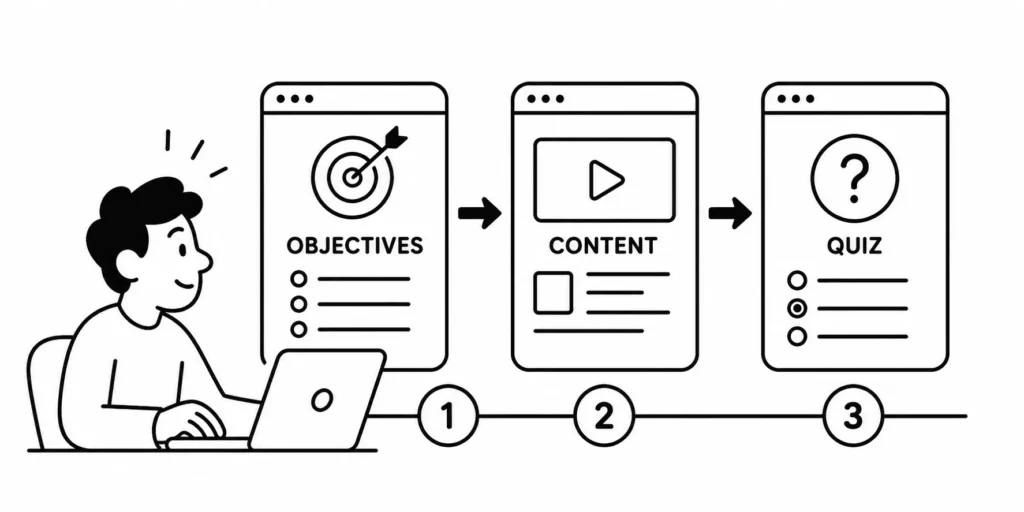
Here’s something that’s typical for many organizations. A new employee is sitting through their first mandatory training. The course opens with the tried and true objectives, marches through content screen by screen, bullet point by bullet point, and then ends with a quiz. They pass the quiz, close out the course, and wonder what any of it has to do with their actual job.
There’s a reason most courses still follow the objectives-content-quiz structure. It’s how a lot of people learned to build courses. And it’s organized, it maps to how we learned to teach, and it matches what most organizations expect from e-learning.
When the only goal is tracked completion, this approach gets the job done.
The problem surfaces when you need more than completion data. This model assumes every learner needs the same information, in the same order, at the same depth. In a world where people get personalized content everywhere else, that one-size approach doesn’t hold up especially with training designed to help them do something better.
Not every course needs a custom learning experience. Some content is just information people need to acknowledge. Think annual compliance updates, policy reminders, and similar material. For those, a simple course that gets learners in and out is the right call. It meets the organization’s need for compliance tracking and it wastes the least amount of time possible.
Overbuilding a course that doesn’t need interactivity and decision-making scenarios wastes everyone’s time. Match the design to the actual goal. If the goal is awareness, keep it efficient.
Performance-focused training is where the assembly-line model falls short. Content alone doesn’t change behavior. What changes behavior is practice: working through real decisions before the stakes are live.
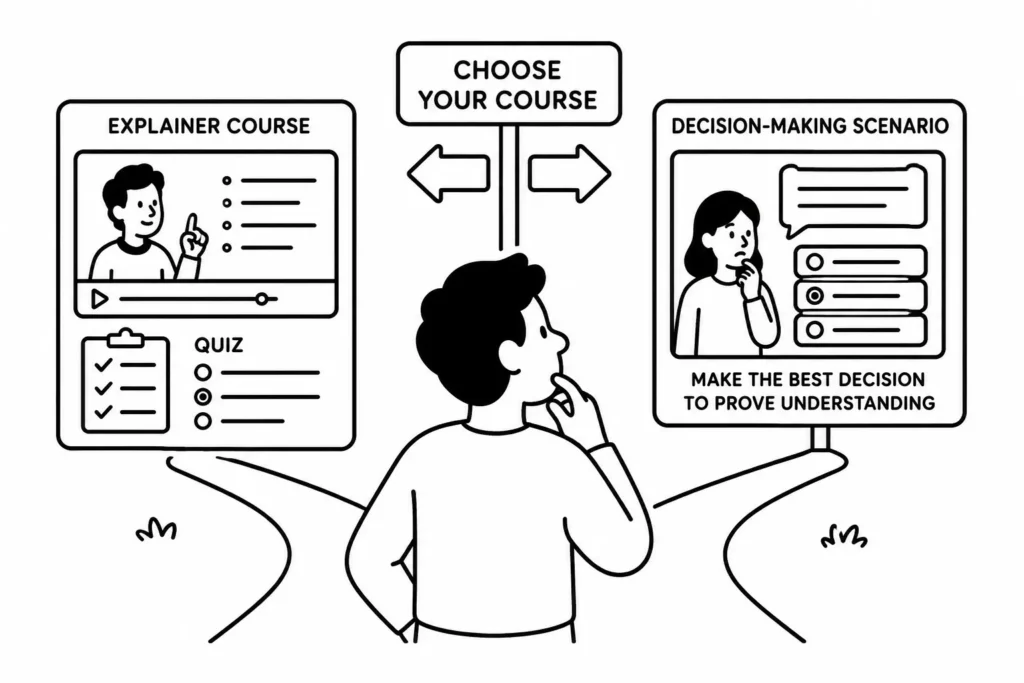
Think about what your learners actually do on the job. Then build activities that mirror those situations. Present the content through the scenario, not before it. Let learners make decisions, get feedback, and try again.
That shift is harder to build, but the payoff is real. Learners leave knowing what to do, not just what the content said.
The next step isn’t rebuilding every course from scratch. It’s about matching the right design to the right goal. Get clear on which courses need simple tracked completion and which ones need to change how people work. That clarity changes where you put your best effort.