Physical Address
304 North Cardinal St.
Dorchester Center, MA 02124
Physical Address
304 North Cardinal St.
Dorchester Center, MA 02124
Helpful ideas. Squeaky value.
Helpful ideas. Squeaky value.

When he was younger, my son is into Lego Bionicles. Because of that, he read comics, novels, and website content he’d never touch if it were a school assignment. He’d work through instructions on a Lego model that a lot of adults would give up on. Because he wants to.
What’s interesting is that he doesn’t seem to mind failing at first. He just clicks around until something works. Yet I’ve watched adult learners completely shut down because they didn’t know what a left-facing arrow button meant. Same process, wildly different response.
So here’s the question for any course you build: what makes this interesting to your learners? What’s going to get them to want to push through the hard parts? Find that answer, and you’ve solved more than half the problem.
Part of why kids learn so well is that they’re not afraid to try things. They just do it. Adults are not wired that way.
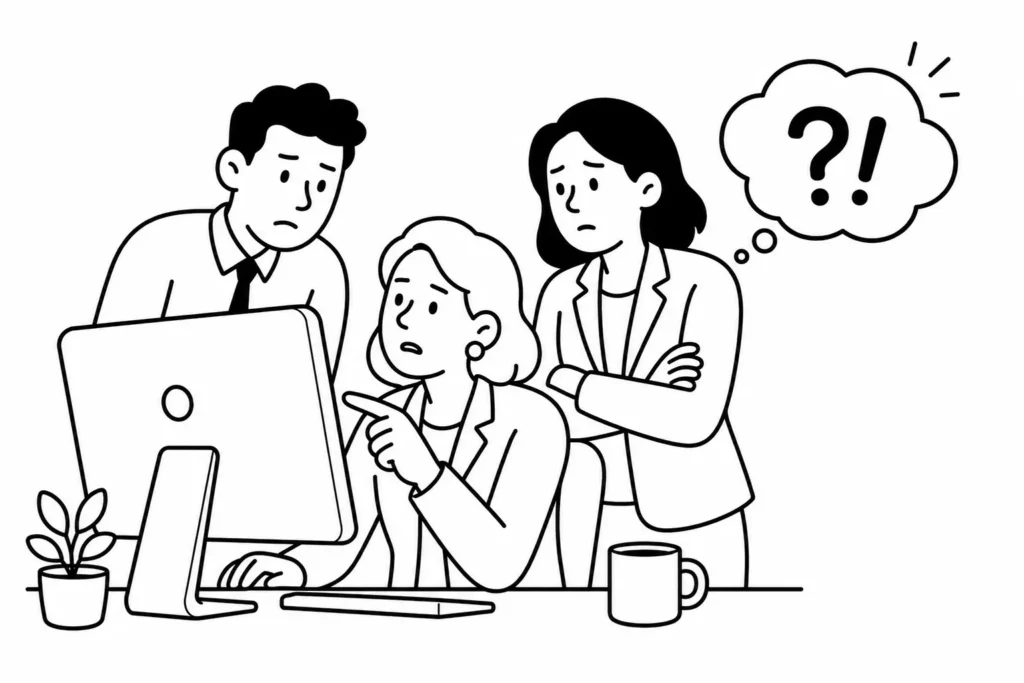
Adults worry about looking wrong. They don’t want to click the wrong button, say the wrong thing, or pick the wrong answer. So they freeze. I’ve watched people stare at a screen for minutes, afraid to move, because the right next step wasn’t clear enough.
When you build courses, you can either fight that instinct or work with it.
When people feel safe trying, they’re able to start learning.
Watch cable news or scroll through Instagram (outside of your echo chamber). Nobody on the other side was actually listens. Both have their talking points. Both reinforce what they already believed.
That’s not unique to political content. Most of us do it, too. We draw in things that confirm what we already think and filter out the things that don’t fit. I know this is true of me. I can be quick to criticize a new idea, which is a bad habit for someone who’s supposed to be learning all the time.
How does this relate to e-learning?
Your learners walk into courses with existing beliefs. Some of those beliefs directly contradict what you’re teaching. The question isn’t whether that’s happening. It’s what you’re doing about it.
These three things: motivation, willingness to try, and openness to new ideas, don’t just describe how people learn. They describe what your courses should create space for. Before your next project, ask three questions.
Get all three right, and you’ve created the conditions where learning can actually happen.