Physical Address
304 North Cardinal St.
Dorchester Center, MA 02124
Physical Address
304 North Cardinal St.
Dorchester Center, MA 02124
Helpful ideas. Squeaky value.
Helpful ideas. Squeaky value.
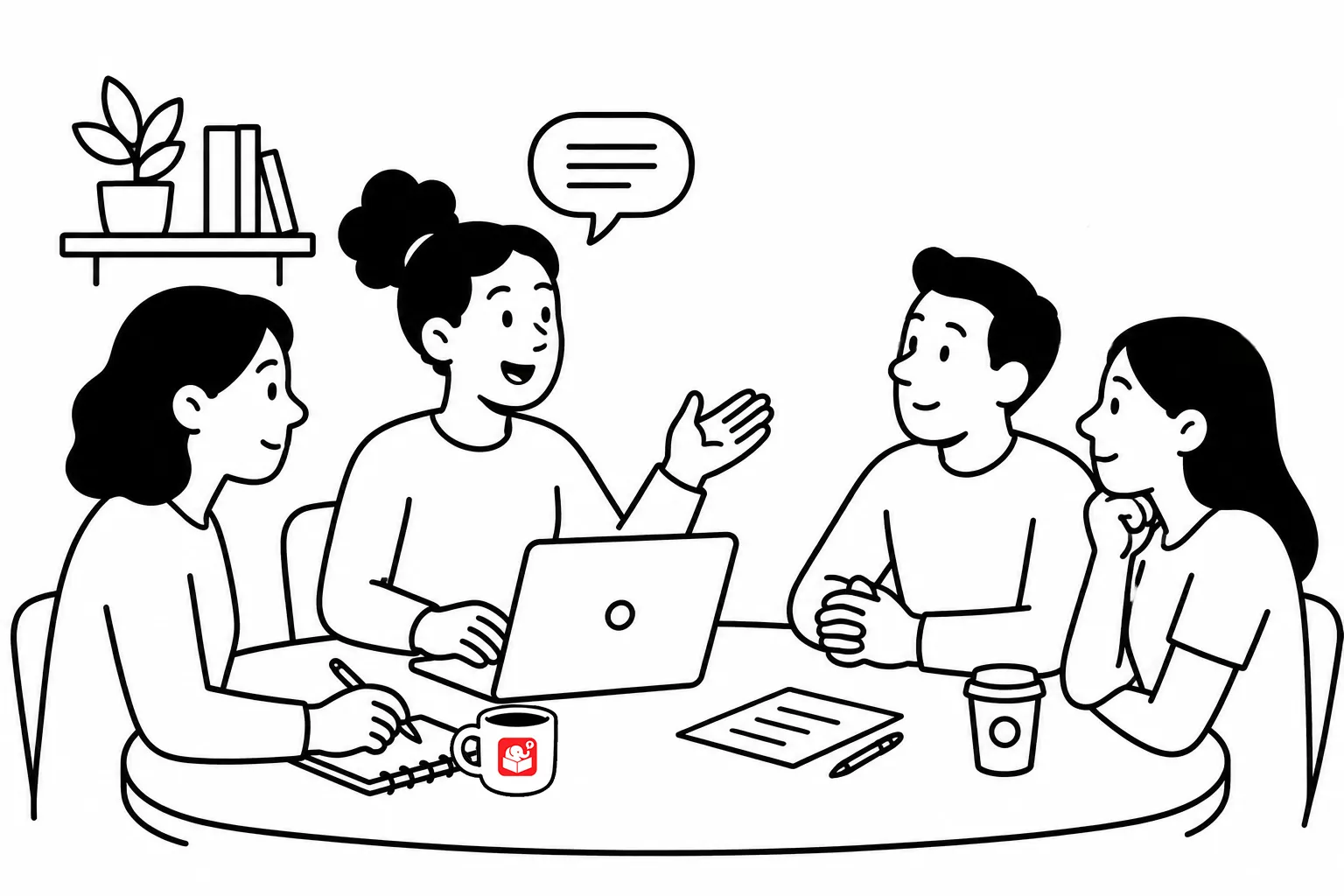
I once got hired by a financial institution to build training for loan officers. The first thing I asked for was to meet with the loan officers themselves. I wanted to understand how they actually did the job and what decisions they made around the content that was going to be in the course.
Senior management told me no. They said that the loan officers didn’t have time to meet with me, and that it would be a waste anyway since the organization already knew what needed to be taught. My job was to build the content, not talk to people who had no say in what that content was.
You can guess how it turned out. We ended up with a long, information-heavy course that checked every compliance box and missed a lot of what the loan officers actually needed. The organization called it a win because it satisfied the regulations. But I felt it was a missed chance to build something that would’ve actually helped the people taking the course.
Before you involve learners, you need to know what kind of course you’re building. Compliance courses with no real performance goal can get away with a straightforward information delivery. Courses designed to change behavior can’t.
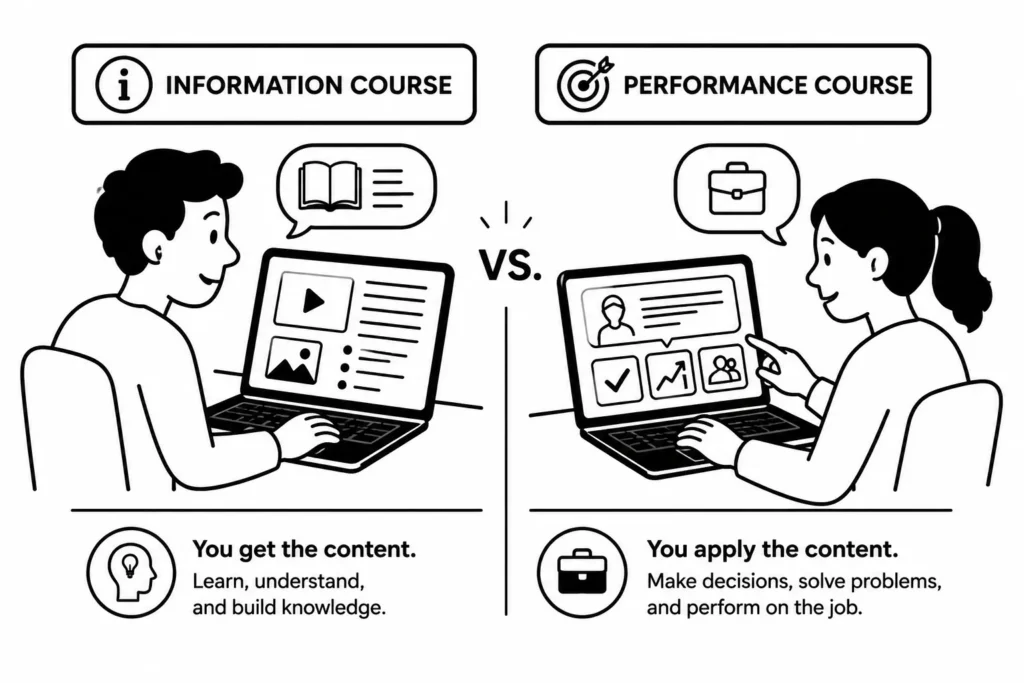
Knowing which type you’re building shapes everything. It tells you how much effort to put in and whether learner input will meaningfully change your approach.
We all develop blind spots when we’re deep in the content and building courses. This is true if you’re building the same type of course over and over again. Someone who hasn’t been staring at the material for weeks will spot things you’ve missed. This is true whether you’re looking for visual issues, unclear instructions, or content that doesn’t hang together.
When prototyping a course, get someone to look it over and give feedback. They’ll often catch ways to tighten the design and suggest angles on the content you hadn’t considered. You don’t have to use every suggestion. But that outside view usually surfaces something worth thinking about.
Pull learners into the process early. Mix recent hires with experienced staff to get a range of perspectives. Don’t wait for a finished course.
Most learners find e-learning irrelevant because it usually is. Much of what they’re required to complete has nothing to do with their actual performance goals. That’s a low bar to clear. You can do better.
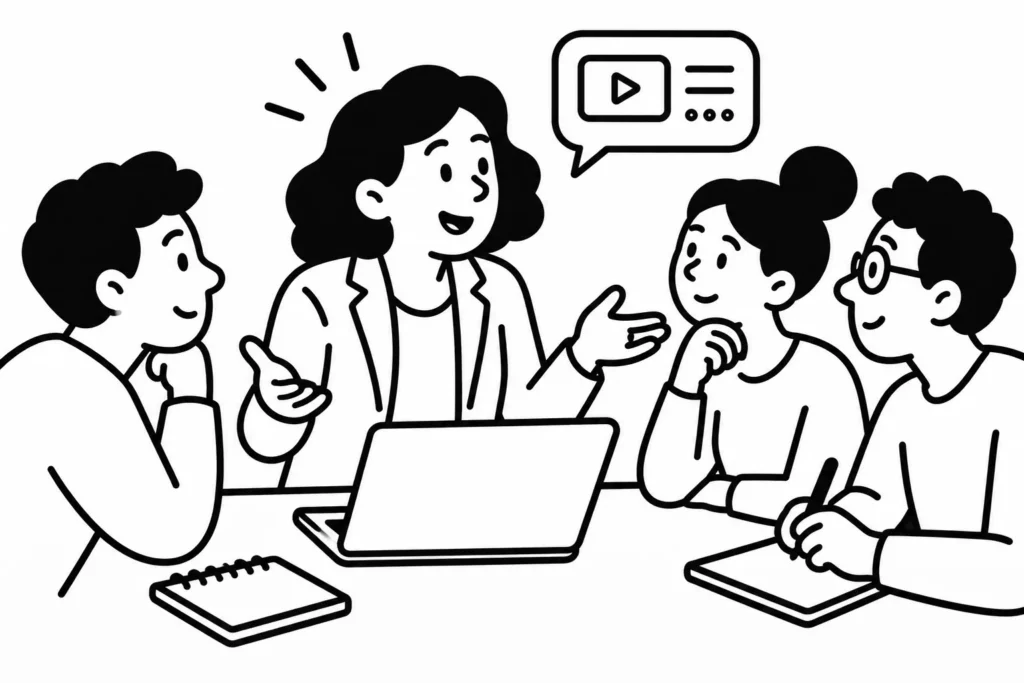
Here are some practical ways to bring the learner perspective into your development process:
Connecting with learners isn’t a luxury for big budgets or long timelines. It’s one of the fastest ways to find out whether your course reflects what people actually need to do. Start with a simple conversation, test a prototype with real learners, and let that feedback shape what you build.