Physical Address
304 North Cardinal St.
Dorchester Center, MA 02124
Physical Address
304 North Cardinal St.
Dorchester Center, MA 02124
Helpful ideas. Squeaky value.
Helpful ideas. Squeaky value.
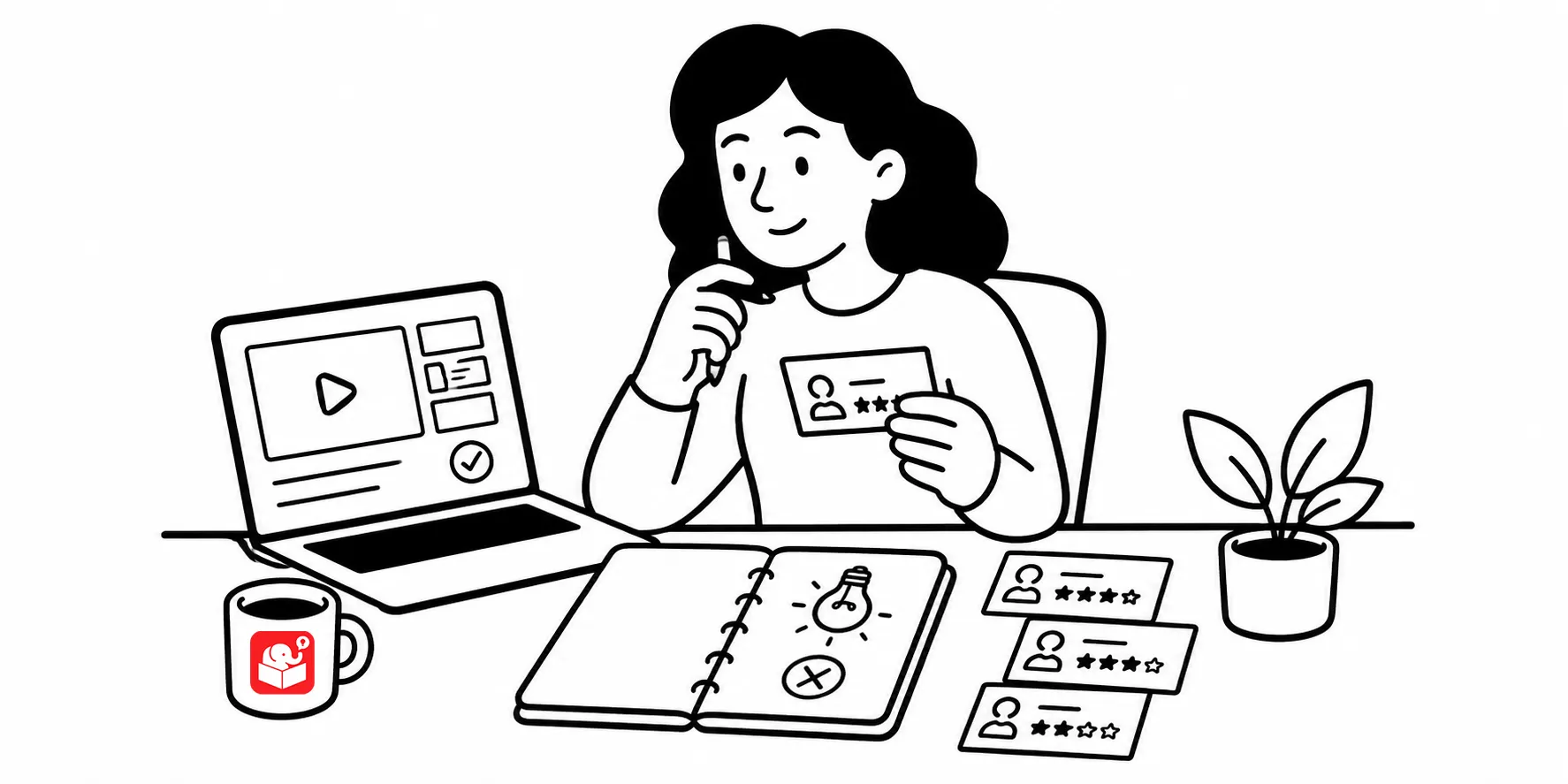
When I was younger I was told that there there are three parts to any job:
E-learning developers are usually good at the first two. It’s the third one that gets skipped. Here are four habits that close the loop and make you better at the next project.
For each project I have a service level agreement (SLA). It’s what we agree to and how we end up measuring success. It’s important that you report on the agreed upon measure of success and celebrate your win.
It’s easy to assume your manager knows what you accomplished. Often they don’t. As a habit, pull together the metrics from the course, including what the project was supposed to achieve and how it performed.
Sometimes you have no control over whether the course actually moves the needle because you don’t have access to the metrics the client has. Or they didn’t ask for a performance-based course. In those cases, gather cost comparison data instead. What would this have cost to outsource? That number is usually worth knowing and sharing.
After a project wraps, think about who your customers were:
Each group has a perspective on how it went. A simple survey goes a long way. Share the SLA and ask them to compare what was promised to what was delivered. Sometimes people provide feedback about what they wished they’d done and not what they commited to. The SLA keeps that on track.
Ask what worked and what they’d change. Send a brief thank-you to everyone who contributed, and copy their managers when you can. It builds goodwill and makes the next project easier to staff.
Put a 30 to 90 day reminder on your calendar to check in with the person or team that commissioned the course. Just a quick note to see how things are going.
While you’re at it, you want to find out if the course will need to be updated. You can already put that on your docket and schedule an annual review to see if the content still holds up and whether any updates are needed.
These conversations rarely happen unless you plan for them in advance. Or they happen at the last second and becomes something that interupts other work.
Sit down with your peers and look at the course together. Compare what you set out to do with what you actually built. There’s always something you’d do differently, and naming it is the first step to doing it better next time.
If you find something worth sharing, write it up. It makes for a good blog post or something to share in the community or with others on LinkedIn. A short article or case study based on what you learned helps others in the field and builds your reputation as someone who takes the craft seriously.
The best time to start preparing for your next project is right now. Take the feedback from this one and build it into your template and operating process. Update your project plans to account for issues you ran into and your question list. Spend a few minutes looking at what other developers are doing. Another good reason to be connected with peers in the community.
Each project is a data point. The developers who improve fastest are the ones who actually look at what the data says.