Physical Address
304 North Cardinal St.
Dorchester Center, MA 02124
Physical Address
304 North Cardinal St.
Dorchester Center, MA 02124
Helpful ideas. Squeaky value.
Helpful ideas. Squeaky value.
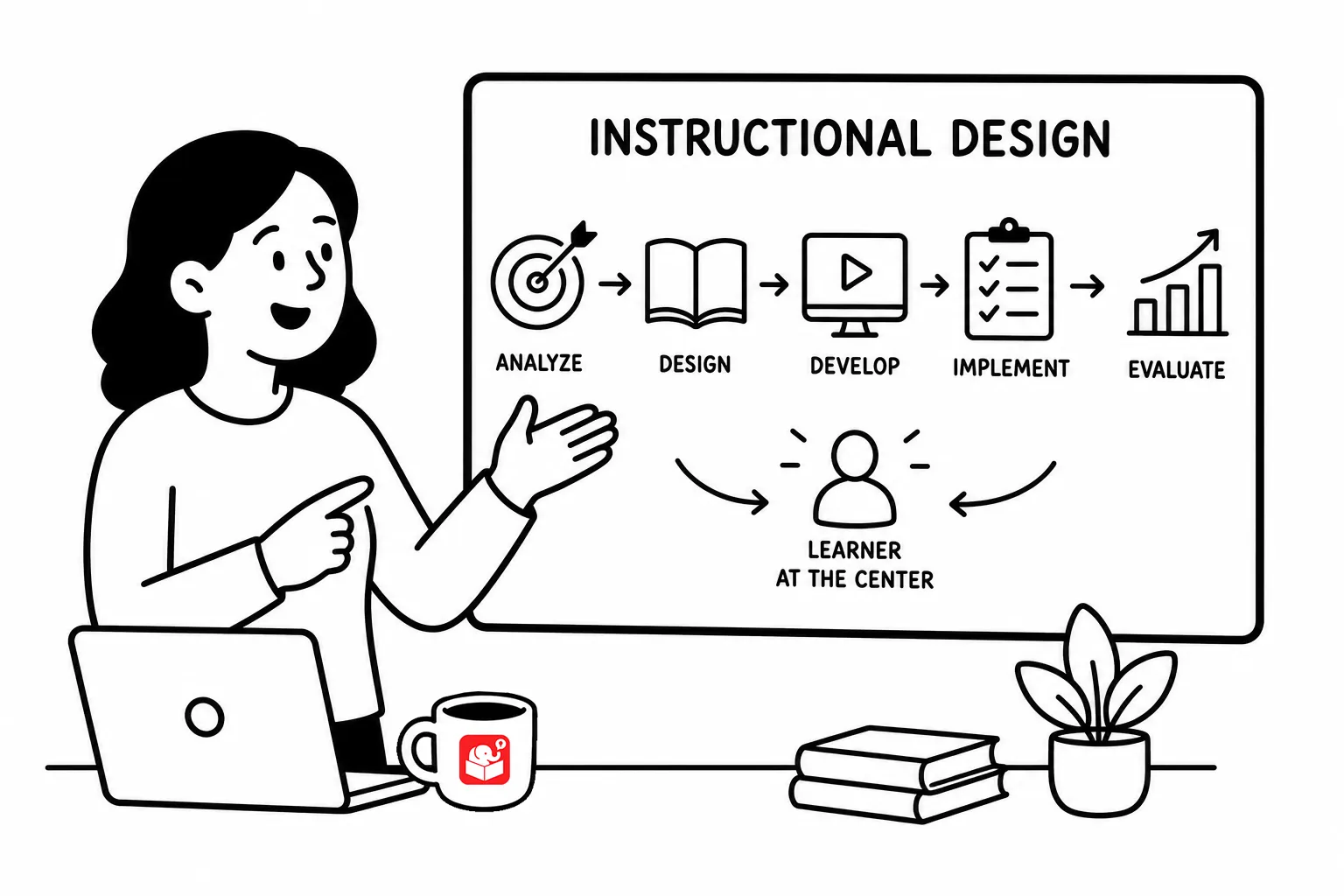
I got an email recently with a question I hear often: what exactly is the role of the instructional designer, and how do you explain that to a client or SME who doesn’t get it? I’d been thinking about how to answer when I came across an older awareness test video that said everything I would have said, and said it better.
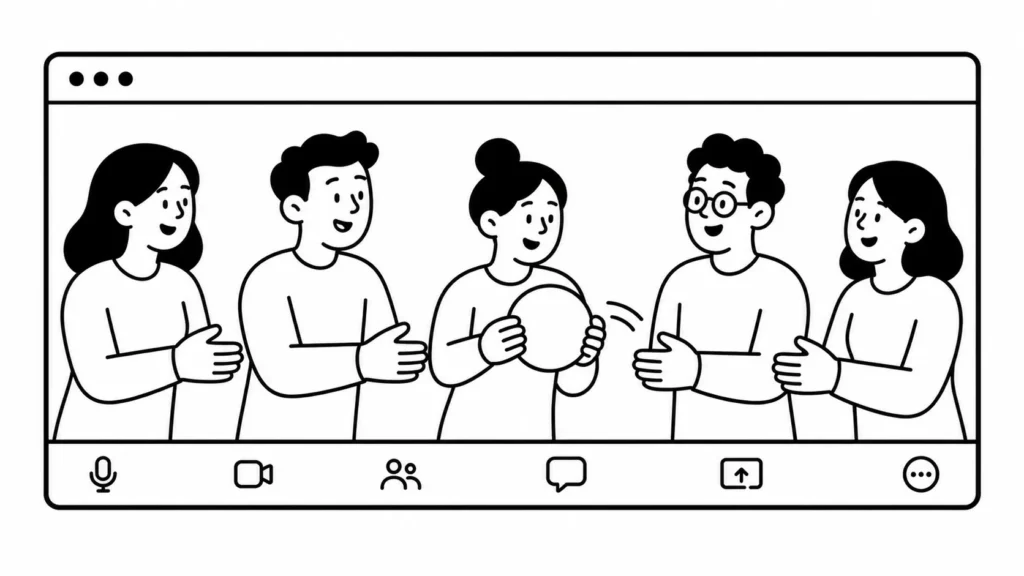
Watch it here: Awareness Test
The video gives you a clear task: count the number of times the team in white passes the basketball. Simple enough. Then it asks if you noticed the moonwalking bear that walked through the frame while you were counting.
Most people don’t. And that’s exactly the point.
The video is full of information — players, conversations, movement, color. Without any direction, different people would notice completely different things. The narrator gives you a clear task, and that task lets you cut through everything else and land on the one thing that matters: counting people.
That’s one of the most important things you do as an instructional designer. You’re not just putting content in front of learners. You’re helping them figure out which parts of that content actually matter, and why.
Without that guidance, learners can engage with your course and still walk away having absorbed the wrong things entirely.
Here’s the flip side of the awareness test. Even with clear instructions, the bear walks right past you. And if you didn’t know to look for it, you’d have no idea you missed it.
This is a real problem in content design. Clients and SMEs are often deeply expert in their subject matter, but that expertise also creates blind spots. They know so much that they sometimes miss what a new learner would find confusing or what critical context they’ve assumed everyone already has.
Part of your job is to ask the questions that expose those gaps, and then build courses that address them. If you asked them to look for a bear moonwalking through the screen, you diverted their attention from all of the extraneous activity and got it focused on something very specific.
If you wanted to learn what an expert knows, you’d normally need to spend years making mistakes, getting feedback, and gradually building up knowledge through experience. A well-designed course can shortcut a significant part of that process.
That’s not the same as just handing someone information. It’s structuring a learning experience so the learner encounters the right content, in the right sequence, with the right feedback, in a fraction of the time it would take to learn through trial and error alone.
That compression — of time, of cost, of the gap between novice and competent — is genuinely valuable. It’s part of what you should be communicating when someone asks what instructional designers actually do.
The awareness test video isn’t interactive. It doesn’t have knowledge checks or branching scenarios. It’s just well-constructed, and that’s enough to make it memorable and shareable.
Not all your content can be packaged that neatly. But the principle holds: when content is clear, meaningful, and directly relevant to learners’ actual work, engagement follows naturally. You don’t need tricks. You need to be honest about what learners will do with what they’re learning and design the experience around that.
Before you finalize your next project, check it against these:
Those four questions will tell you more about the course’s likely effectiveness than any test score.