Physical Address
304 North Cardinal St.
Dorchester Center, MA 02124
Physical Address
304 North Cardinal St.
Dorchester Center, MA 02124
Helpful ideas. Squeaky value.
Helpful ideas. Squeaky value.
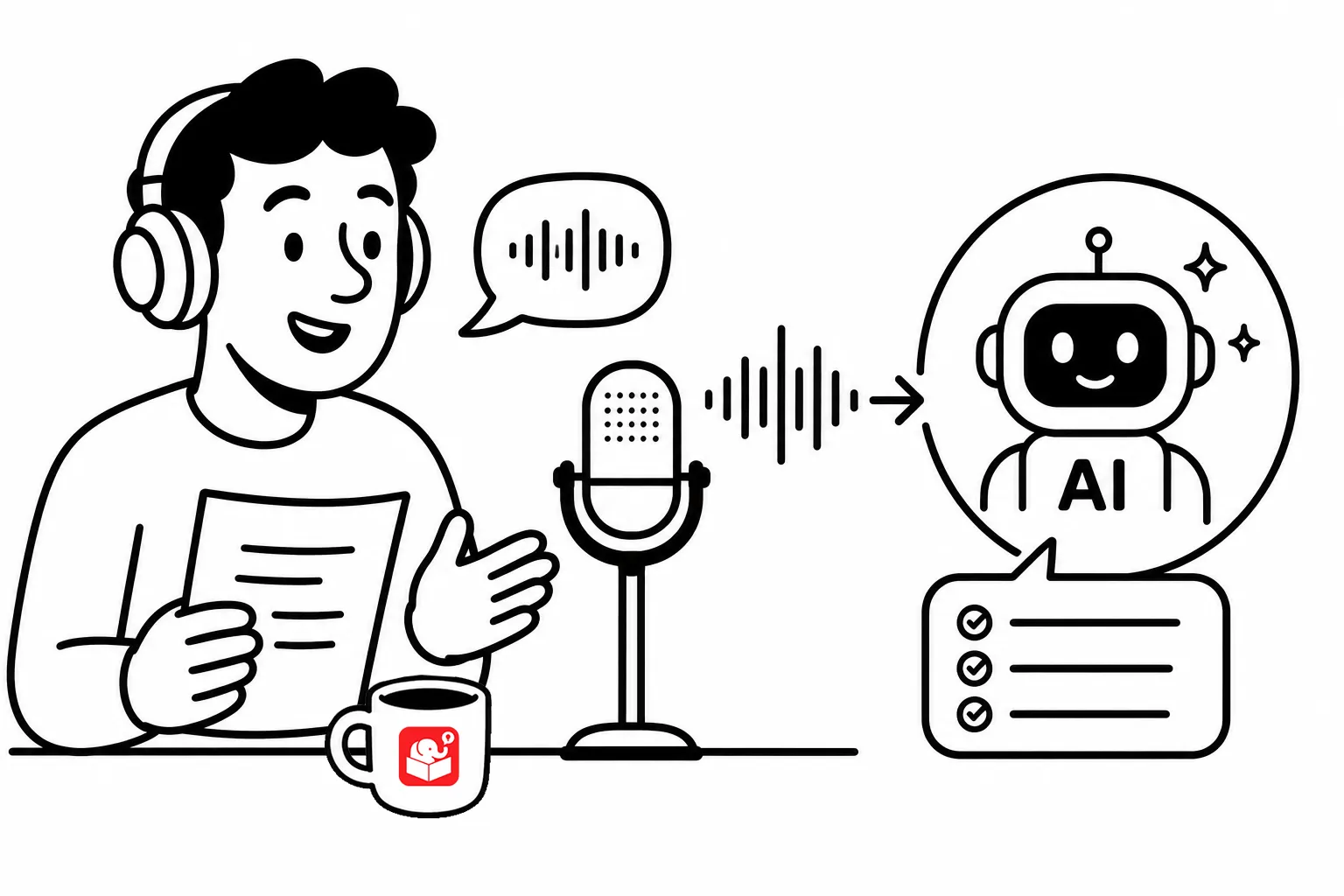
AI voices have changed everything about this decision. Choosing how to narrate your e-learning course used to mean picking between recording it yourself or hiring a professional. Now there’s a third option that’s fast, cheap, and sounds surprisingly good. Here’s how to think through it.
A few years ago, text-to-speech in e-learning sounded robotic. That’s no longer true. Today’s AI voices are natural enough that most learners won’t notice the difference. For everyday internal training, process updates, or compliance courses, AI narration is a completely reasonable choice.
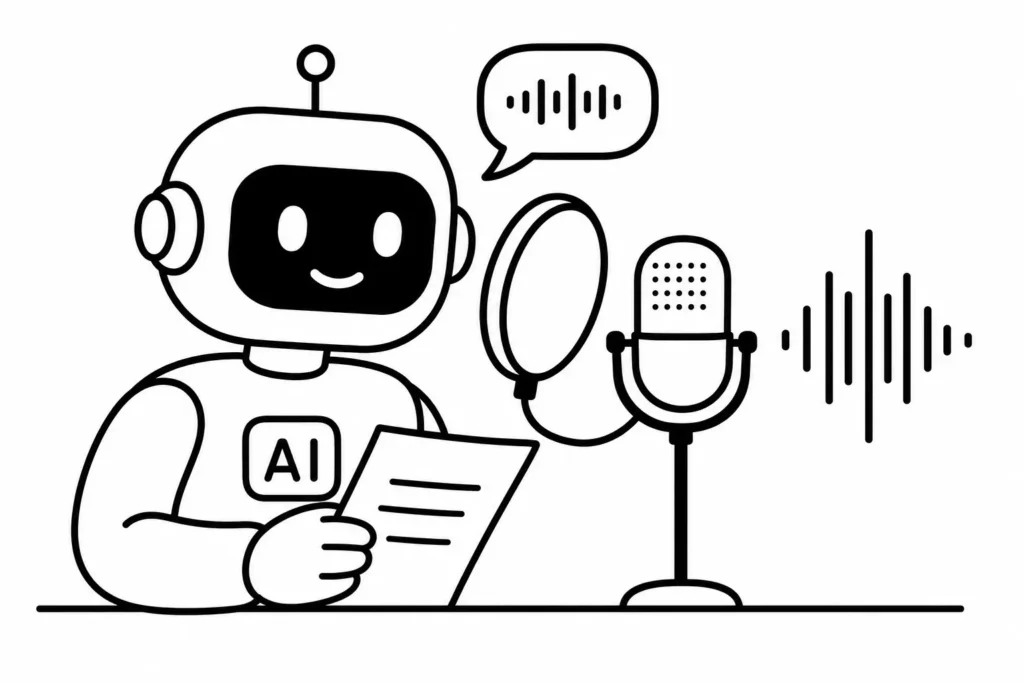
The practical case is hard to argue with. AI narration is fast, costs very little, and you can revise it anytime without re-recording anything. If you’re building a course that will change frequently, that alone makes it the right call. It also sidesteps the whole problem of coaching a reluctant SME through a recording session.
Most of the major e-learning platforms have some form of AI narration built in now. If yours doesn’t, there are standalone tools that work well. The quality has gotten good enough that “AI voice” isn’t a compromise anymore — it’s just a workflow choice.
There are situations where a human voice still makes a difference. Some audiences are sensitive to AI. Some are very anti-AI. If you’re building something for a tech-skeptical audience, or the course touches on topics where warmth and empathy really matter, a real person can land better.
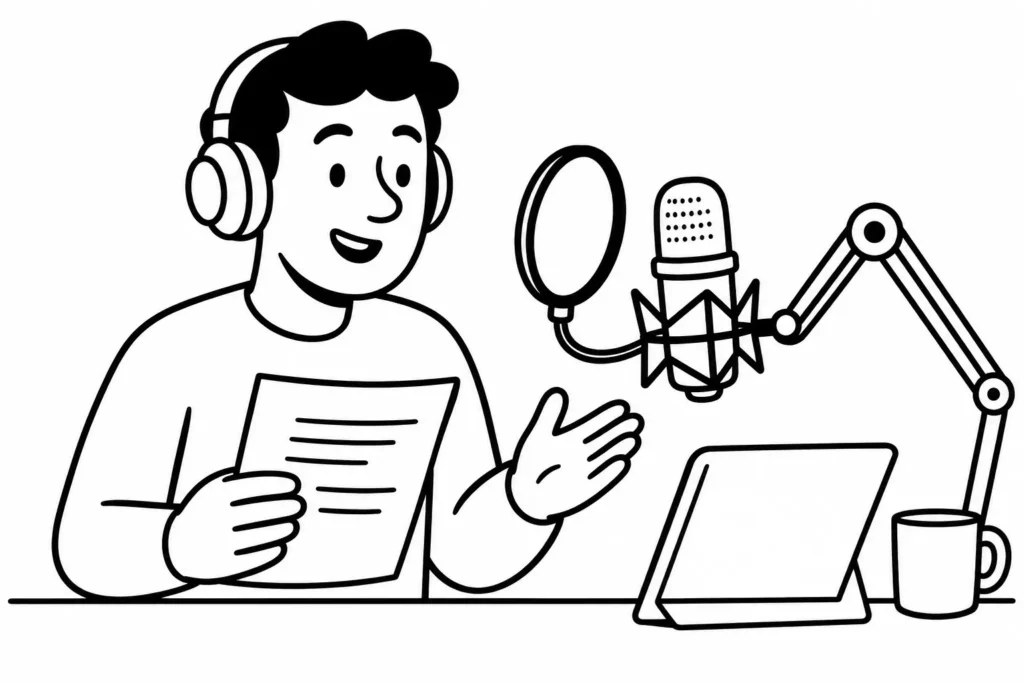
There’s also a newer option worth knowing about. Many professional voice actors have created AI versions of their own voices. You license the voice and generate narration from it. You get AI speed and cost with a voice that was built by a real pro. Services like Voice123 and others now offer this model. It’s a nice middle ground if you want more personality than a generic AI voice but can’t justify a full recording session.
The other case for a real narrator is high-visibility work. Customer-facing courses, executive training, or anything that represents your company externally at a high level — that’s where production quality matters more. A skilled narrator brings pacing, tone, and emphasis that AI still doesn’t quite replicate on longer or more nuanced scripts.
Recording your own narration isn’t dead. If you have a decent microphone and a quiet room, it works fine for a lot of projects. The personal touch can also be an asset. Learners sometimes respond well to hearing a real person who clearly knows the subject.
The honest caveat is that self-recorded audio takes longer than people expect. Writing and approving the script, recording, editing, and handling revisions adds up fast. If you’re doing the math on time versus cost, AI narration often wins unless you genuinely enjoy recording and are reasonably good at it.
Think about three things before you pick an approach.
Start with AI narration as your default and work backward from there. If you hit a situation where the audience, the stakes, or the emotional weight of the content makes you hesitate, that’s your signal to consider a real narrator or a licensed AI voice built from a pro. Take a look at the narrator AI voice options in your current platform or a tool like Voice123 — the gap between AI and human has closed more than most people realize.