Physical Address
304 North Cardinal St.
Dorchester Center, MA 02124
Physical Address
304 North Cardinal St.
Dorchester Center, MA 02124
Helpful ideas. Squeaky value.
Helpful ideas. Squeaky value.
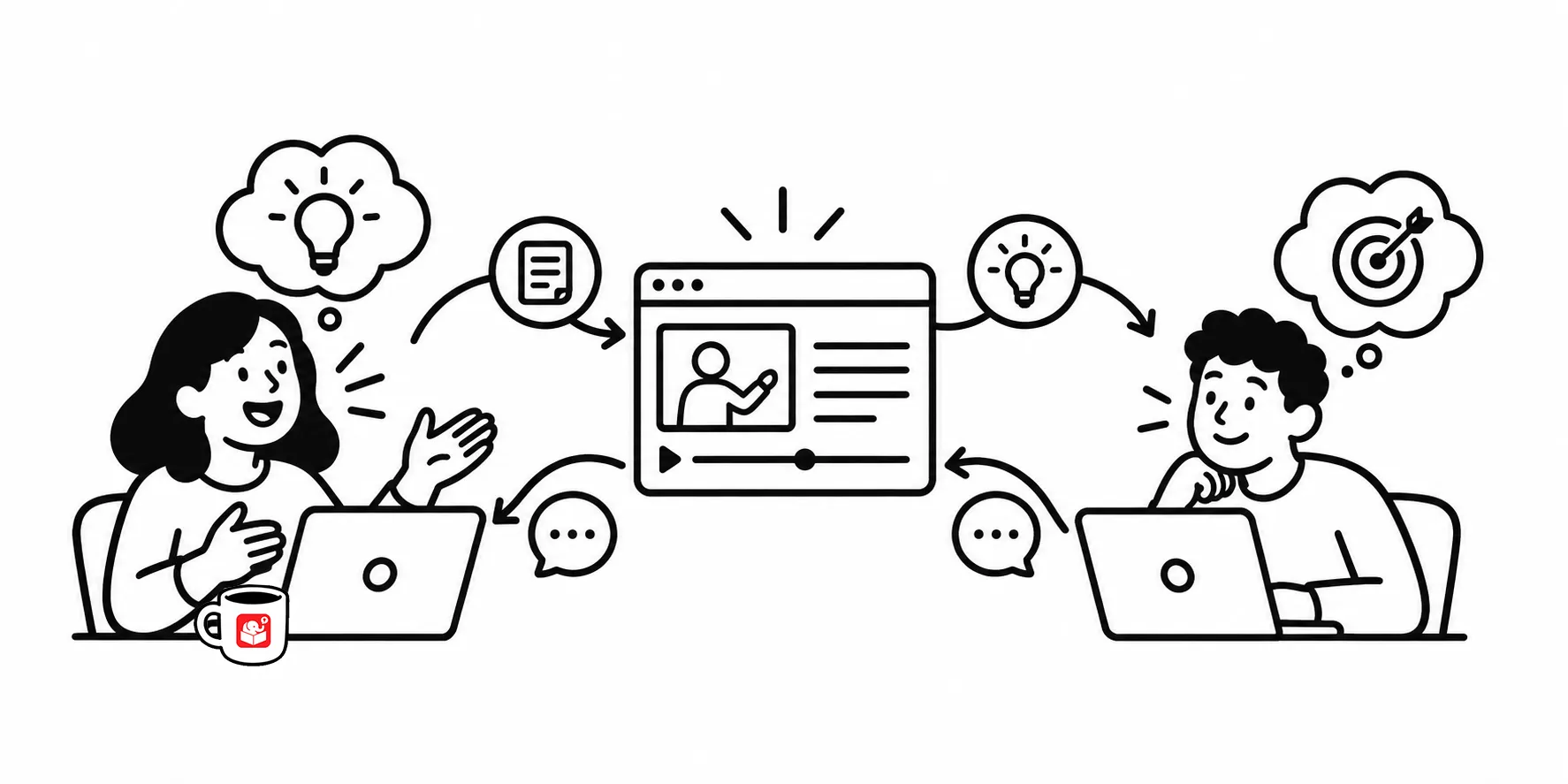
Picture two employees taking the same course: one a ten-year veteran, one who just started. The same content can feel too slow for the expert and too fast for the newcomer.
Building a course that communicates well across that gap takes some deliberate choices.
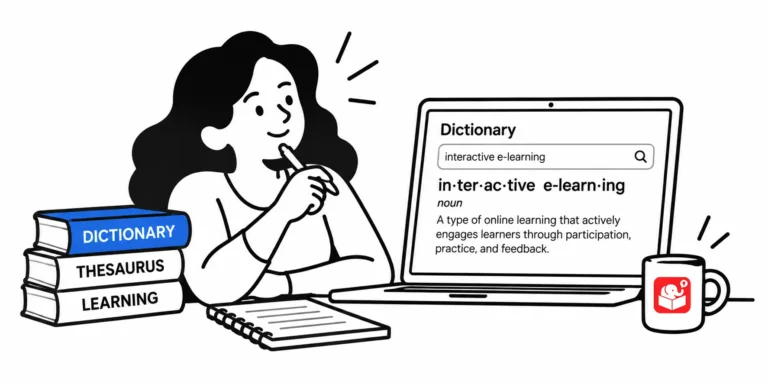
Even the words you use carry different meaning for different people. Take the word “e-learning.” First, we don’t even know how to spell it. Is it elearing, eLearning, or e-learning? 😂
Stepping away from that, in a corporate L&D team, it usually means a Storyline or Rise course. In higher education, it can mean anything in digital format, including a PDF.
Jargon, acronyms, and assumed context can all derail understanding before the content even starts. When you build a course, you’re encoding information and sending it out with no guarantee of how it’ll land.
The best fix is to build context into the course itself.
Learners don’t arrive at your course at the same level. Some have years of on-the-job experience that may conflict with what the course teaches. Others are brand new and don’t yet have the context to make sense of the material.
A pre-assessment is one of the best tools you have here. It lets experienced learners skip ahead or branch to a different track. It also reveals where newer learners need the most support.
A lot of e-learning asks for attention that learners aren’t motivated to give. Some people arrive disengaged before the first click. Others are genuinely curious but find the course irrelevant to their actual work.
You can’t control what someone brings to the course. But you can design for the conditions that tend to improve engagement.
Relevant content wins. Courses that connect to real decisions people make at work are received better than those that feel abstract. Interactivity helps too. Getting someone to do something on screen is different from asking them to read and click Next.
Some barriers are structural. A learner who doesn’t speak English as a first language faces challenges that design alone can’t fully solve. But accounting for plain language, visual support, and contextual examples helps more people get closer to the intended meaning.
The gap between what you intended to communicate and what learners understood is where most course failures live. Designing around that gap means thinking about who’s in your audience before writing a single word. What do you know about your next course’s audience, and how might that change what you build?