Physical Address
304 North Cardinal St.
Dorchester Center, MA 02124
Physical Address
304 North Cardinal St.
Dorchester Center, MA 02124
Helpful ideas. Squeaky value.
Helpful ideas. Squeaky value.
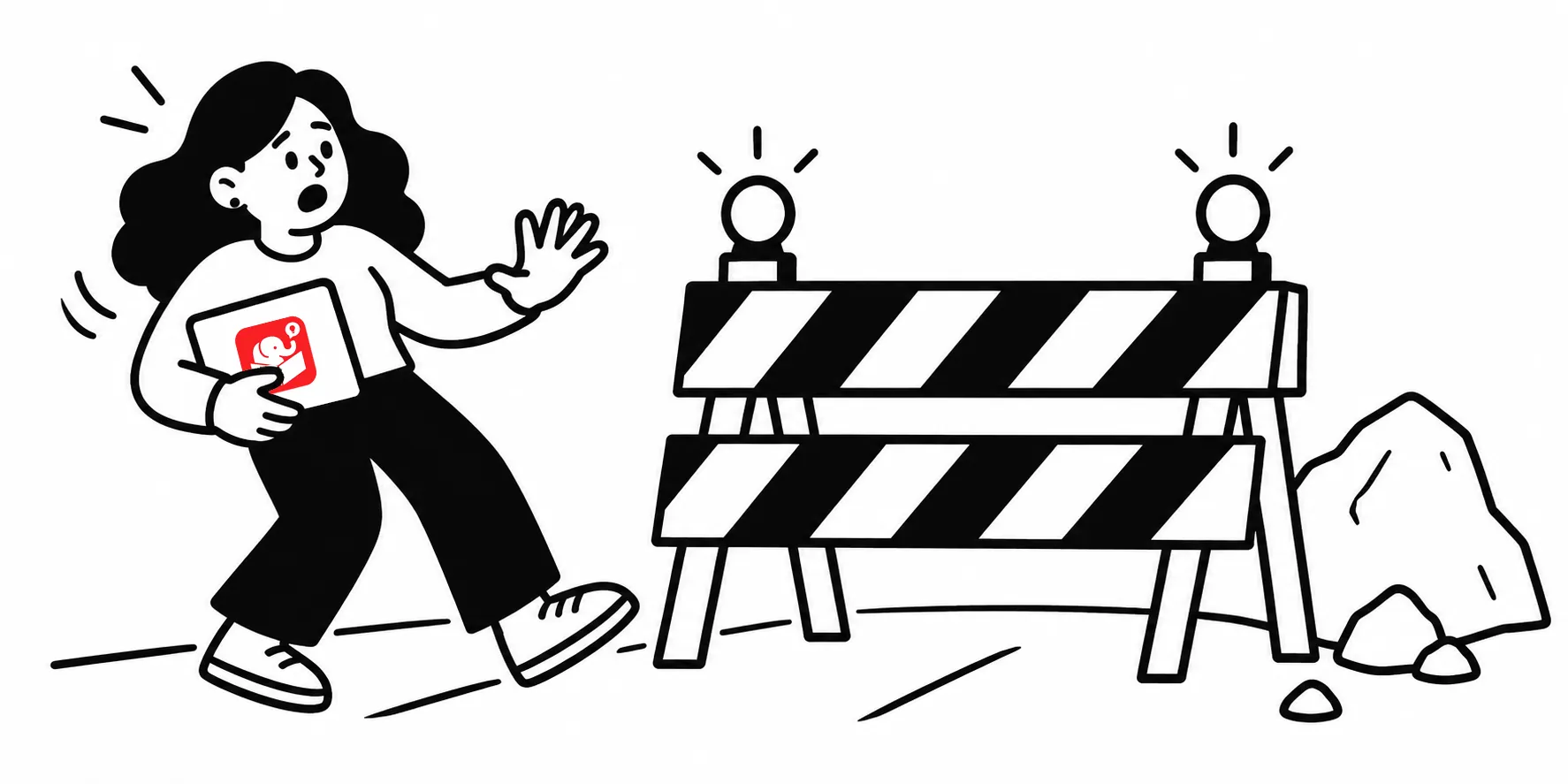
Building e-learning is hard enough on its own. Most people are already working with limited time and resources. The last thing you need is friction that could have been avoided from the start.
I see a lot of courses during the year and the number one issue that exists is that most courses lack clear objectives.
You’ve probably seen objectives that say “learners will understand the importance of…” That’s not an objective. It tells people what they’ll be exposed to, not what they’ll be able to do.
Write objectives based on what a person will do, not what they will know or understand. Then figure out how you’d prove they can do it. A useful question to ask: “If I saw it in action, what would it look like?” That test cuts through vague language fast.
If you can’t describe what success looks like in practice, you may not need a course at all.
Think about a box of tangled extension cords. You need one fast, but the whole mess has to be untangled first. That’s what disorganized project files feel like mid-build.
Two habits fix most of this.
Microsoft PowerToys has an easy way to create a starter folder for each courses. Check it out.
These habits take ten minutes to set up and pay off across every project you build.
Content ownership problems tend to hit late, and they’re painful. Someone who wasn’t in the loop shows up at the end with a list of changes. The whole build has to be revised.
Figure this out at the start. Ask three questions when you kick off any project:
Pull those people in from day one. Last-minute changes from unexpected stakeholders are one of the most common reasons projects run over time and budget.
Treat these three areas as checklist items before any production starts. Clear objectives, tidy files, and a defined approval chain aren’t extra overhead. They’re the groundwork of a project that finishes on time and does what it was built to do.