
The blog
Training and e-learning tips, real examples, free resources, and the occasional tip about everything else.
-

Get an E-Learning Job with These Simple Tips
Most people waiting for an e-learning opportunity aren’t short on talent. They’re short on proof. This post walks through the habits and…
-

How to Add Real Conversation to Your E-Learning Courses
Dialogue is one of the most powerful learning tools we have. But most e-learning courses skip it entirely. Here are three ways…
-
Starting an E-Learning Program the Right Way
Most organizations starting an e-learning program jump to course-building before they’ve answered the harder questions. What type of course are you making?…
-

Three Metrics That Prove Your E-Learning Program’s Worth
Your organization is investing in e-learning. At some point, someone will ask if it’s worth the cost. Three concrete measures help you…
-
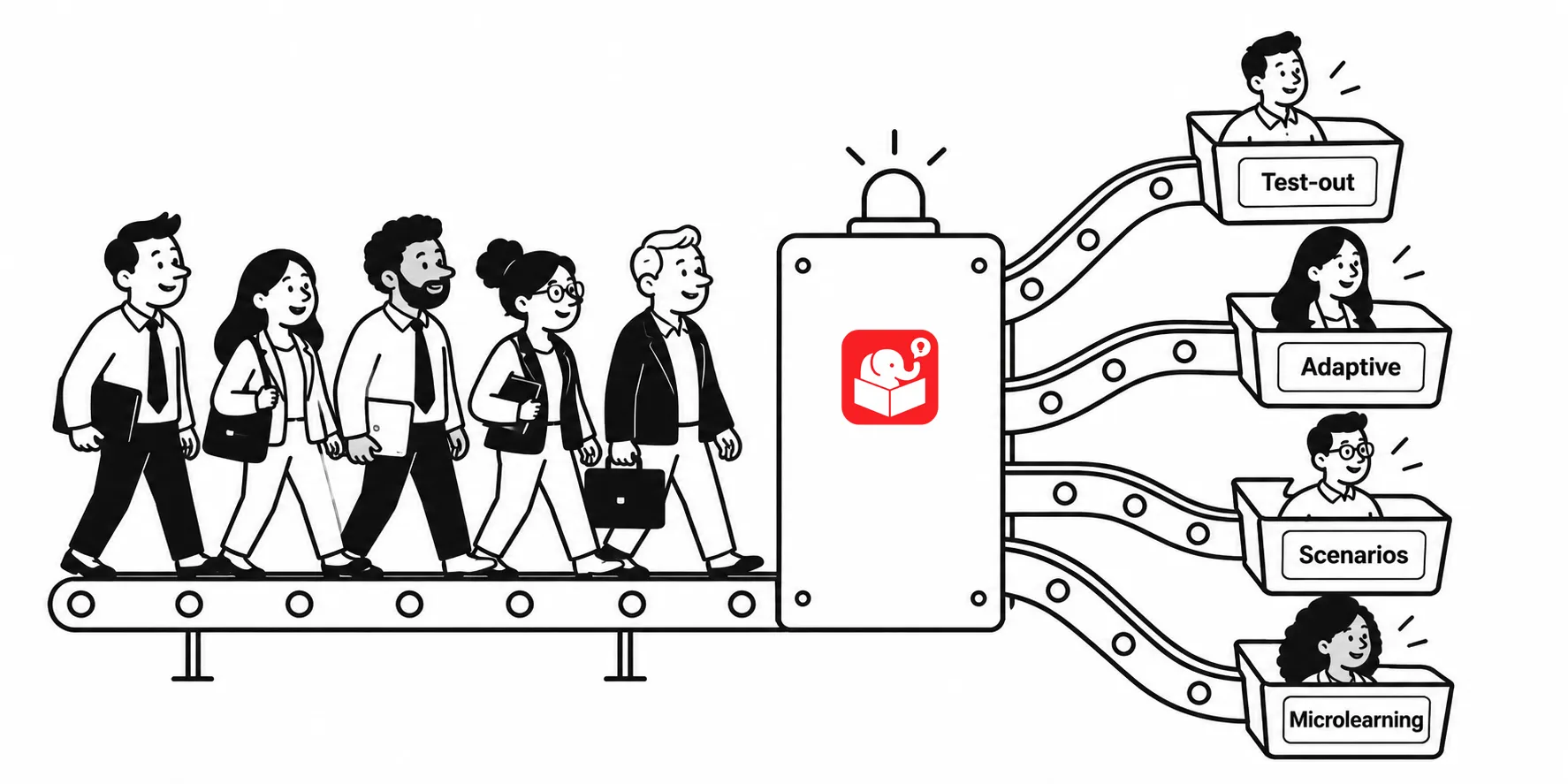
Six Types of Online Learners (And How to Design for All of Them)
Not all online learners are alike. Some want the bottom line, some are curious, some are just checking a box. Here’s how…
-

Stop Designing Courses Without Talking to the People Who’ll Take Them
A course built entirely from a client’s content and a subject matter expert’s input is missing a perspective. Here’s how interviewing learners,…
-

Manage the Client Relationship Like a Consultant Not an Order Taker
A manager sends over a training request. Before you open your authoring tool, there’s a more important question to answer. Are you…
-
Steer Your Client to the Right Course Without Losing Them
Every e-learning designer eventually gets a request that’s headed in the wrong direction. Saying nothing is the easy choice, but it’s rarely…
-

What a Time-Waster Teaches You About Interactive E-Learning
Think about what makes a great interactive experience online. It’s rarely a course. But the principles behind the best ones translate directly…
-
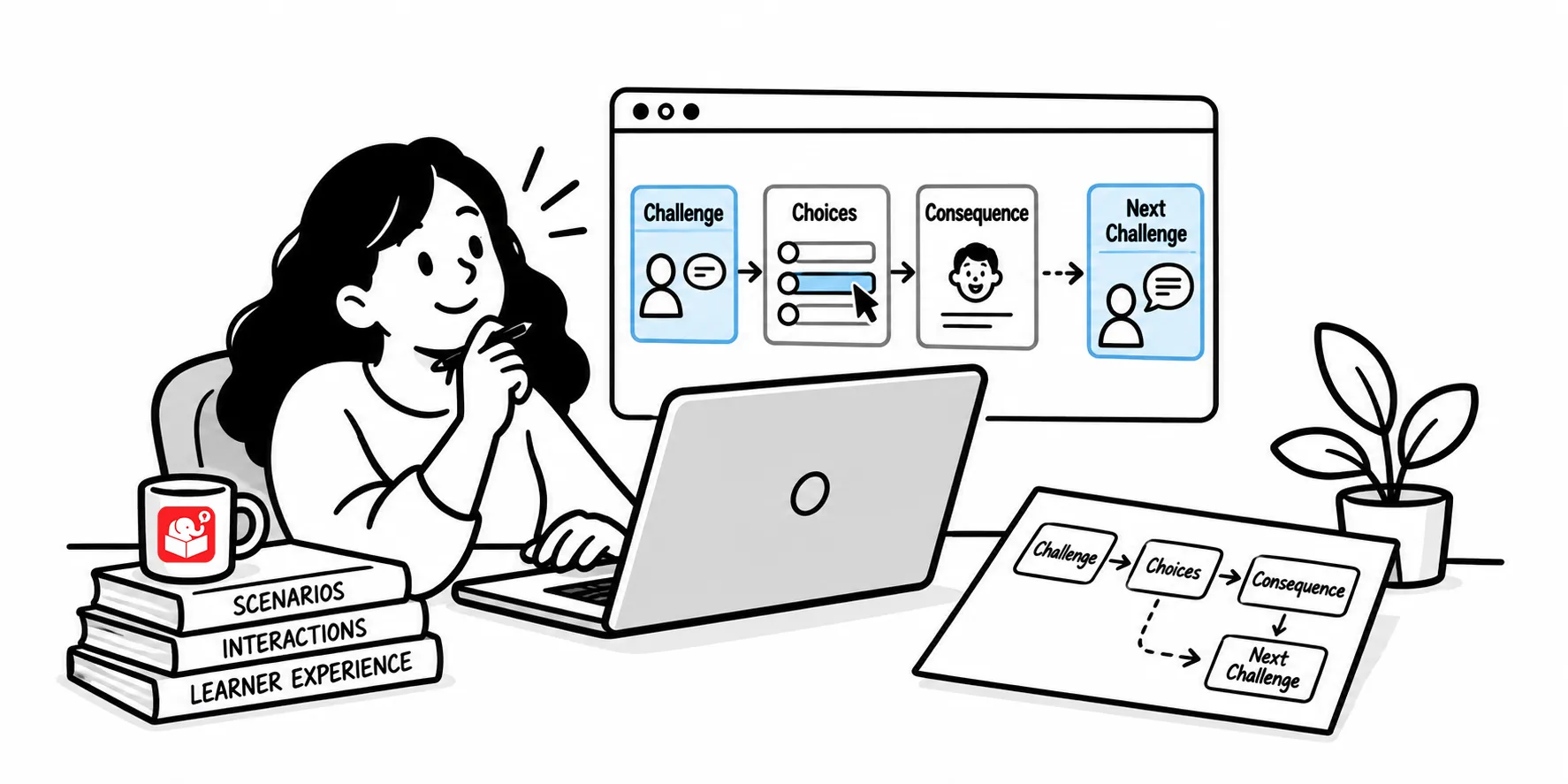
Build Branched E-Learning Scenarios in Three Simple Steps
I created the 3C model as a simple way to help my customers and junior instructional designers understand decision-making scenarios by challenging…