
The blog
Training and e-learning tips, real examples, free resources, and the occasional tip about everything else.
-
How to Use Rise as a Presentation Tool with Zoom
Slides are a natural starting point for Zoom presentations, but they have real limits. Rise gives you built-in interactivity, a sidebar for…
-
The Path to Becoming a Successful E-Learning Developer
The most common question from aspiring e-learning developers isn’t about software features. It’s about where to begin. Here are the practical habits,…
-
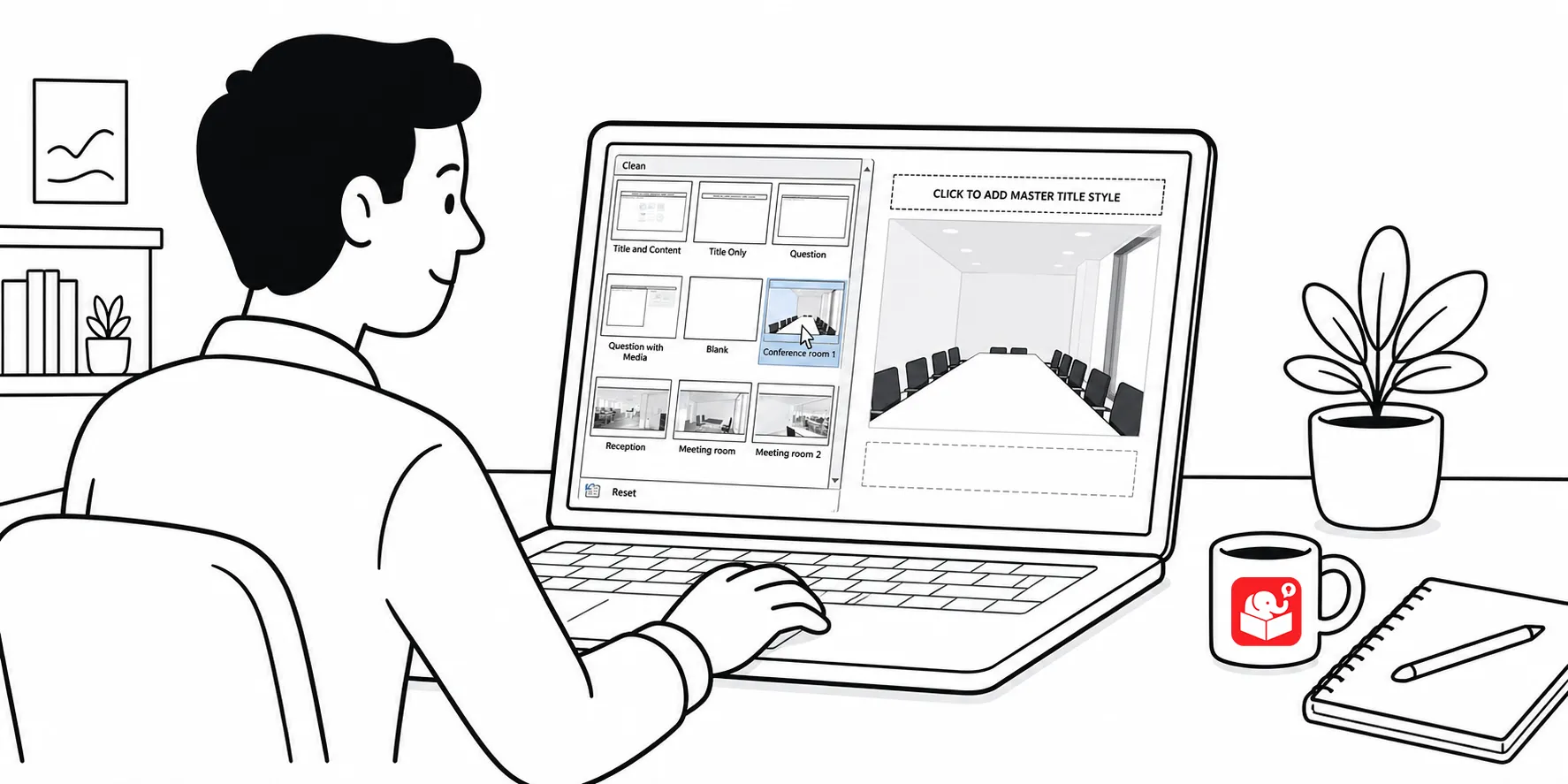
Build Reusable Templates for Scenario Backgrounds in Storyline
Every time you build a branched scenario in Storyline, you probably spend minutes hunting for background images. There’s a better way. Two…
-
The Skills That Let You Build More Training With Less
A lot of people think e-learning is just about speed. But speed only helps if you’ve set yourself up properly. The right…
-
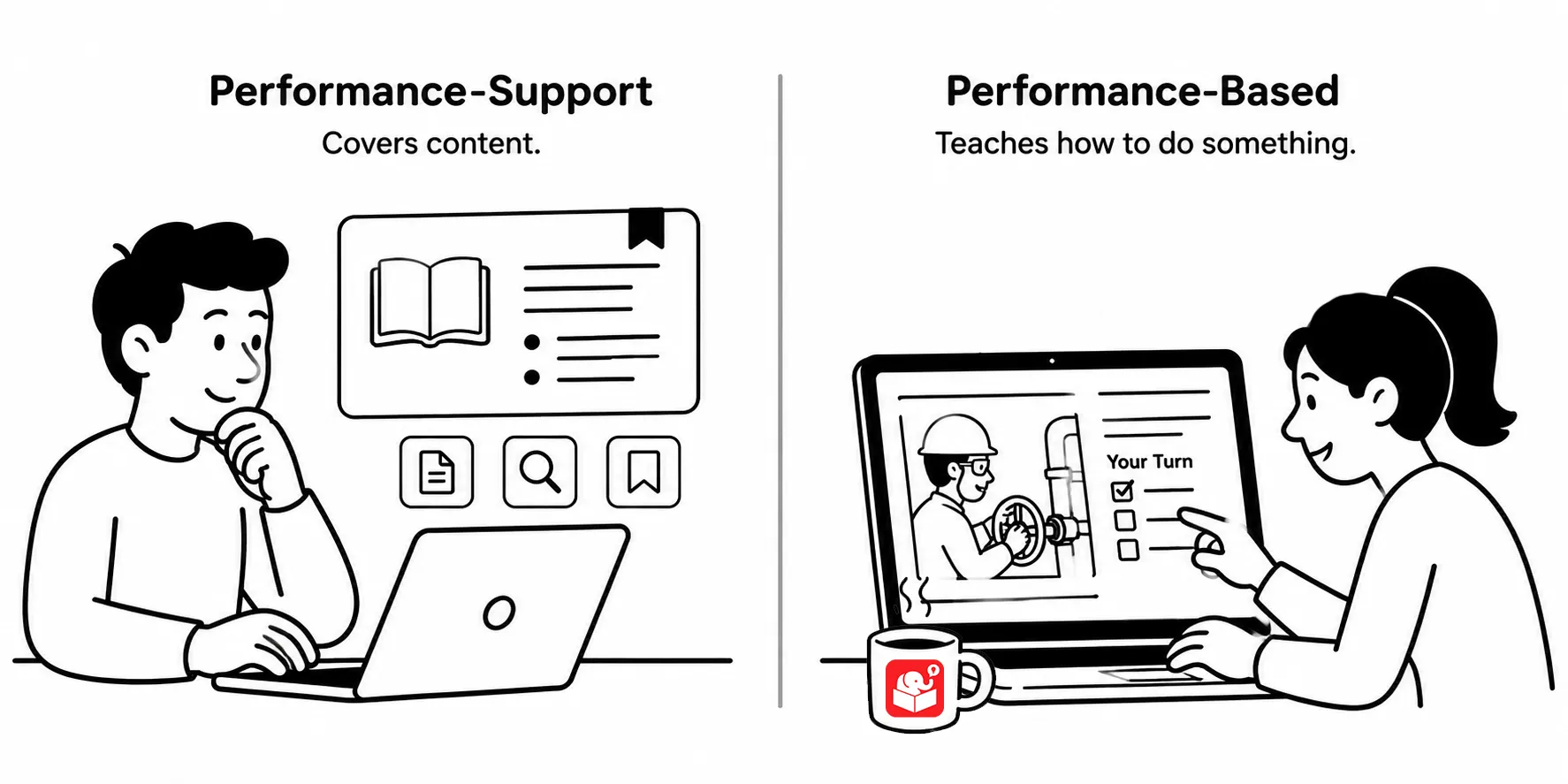
How to Build Effective Online Training
Not all e-learning is the same, even though we lump it all under one label. Some courses share information. Others are meant…
-
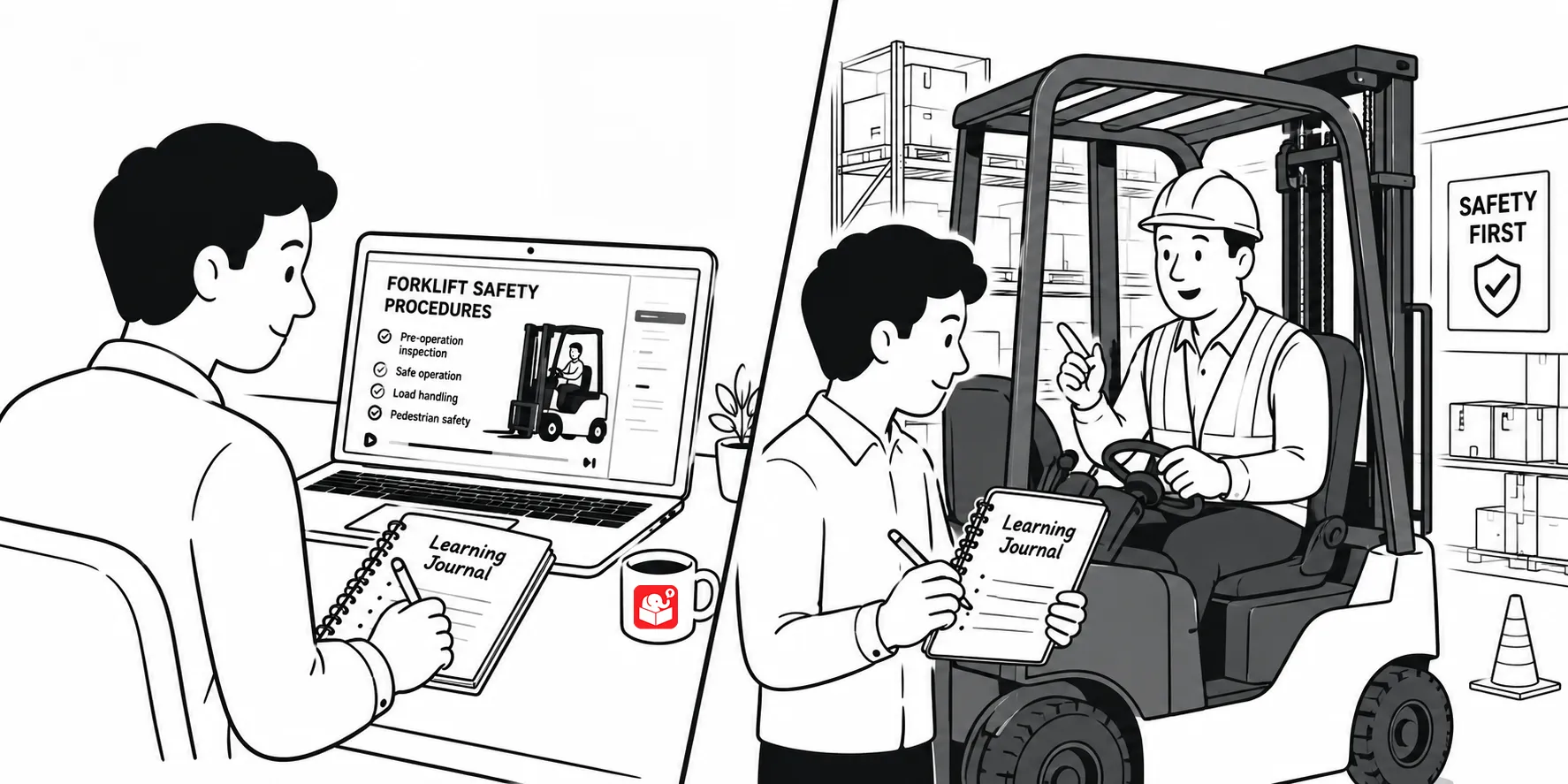
How to Create a Learning Journal for Blended Training Programs
Most e-learning courses end when the learner clicks submit. But what happens to the learning after that? A learning journal extends your…
-
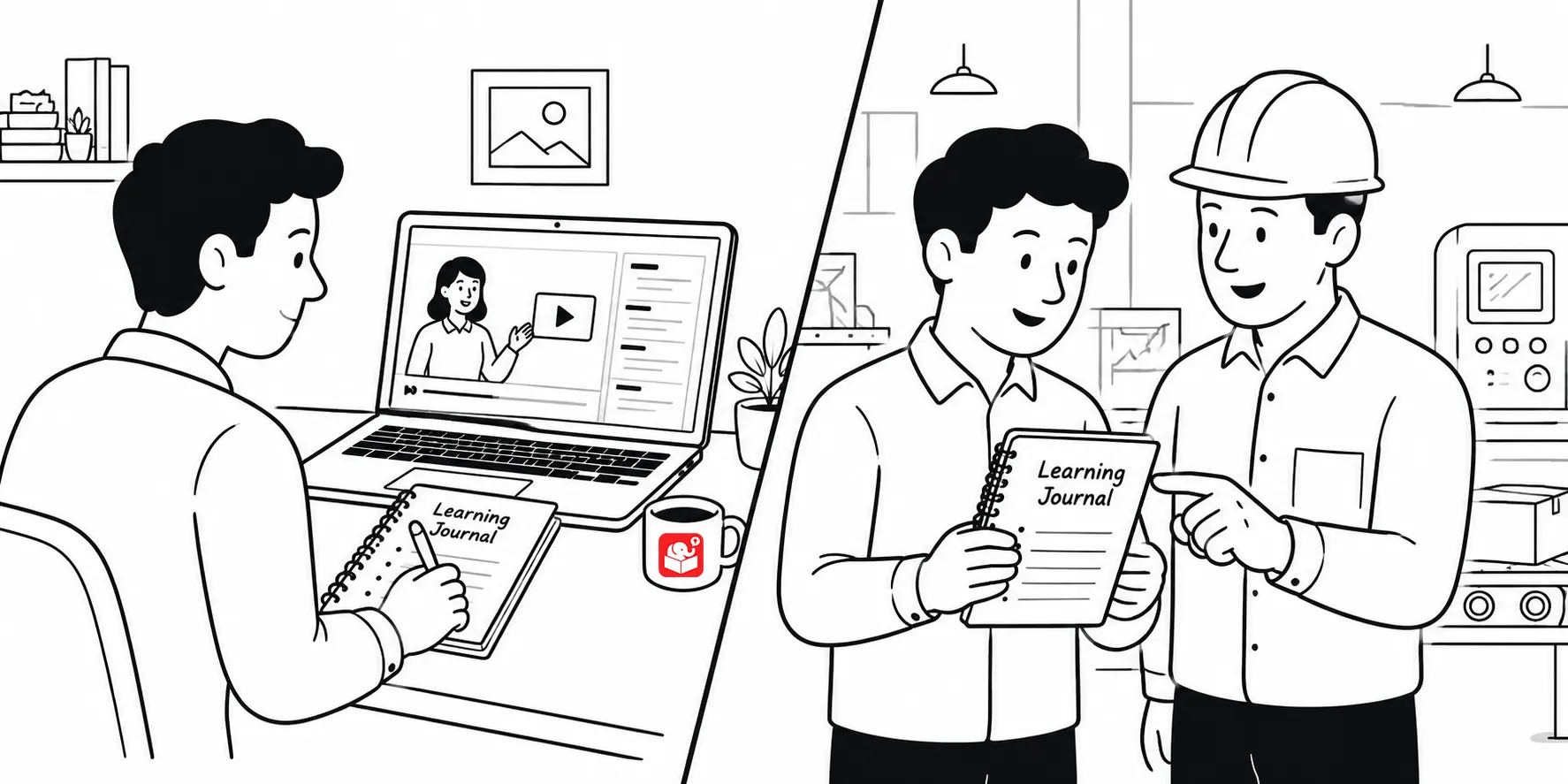
What is a Learning Journal for Blended Training Programs?
A course ends the moment learners click finish, but the job doesn’t wait. A learning journal bridges that gap, turning one-time training…
-
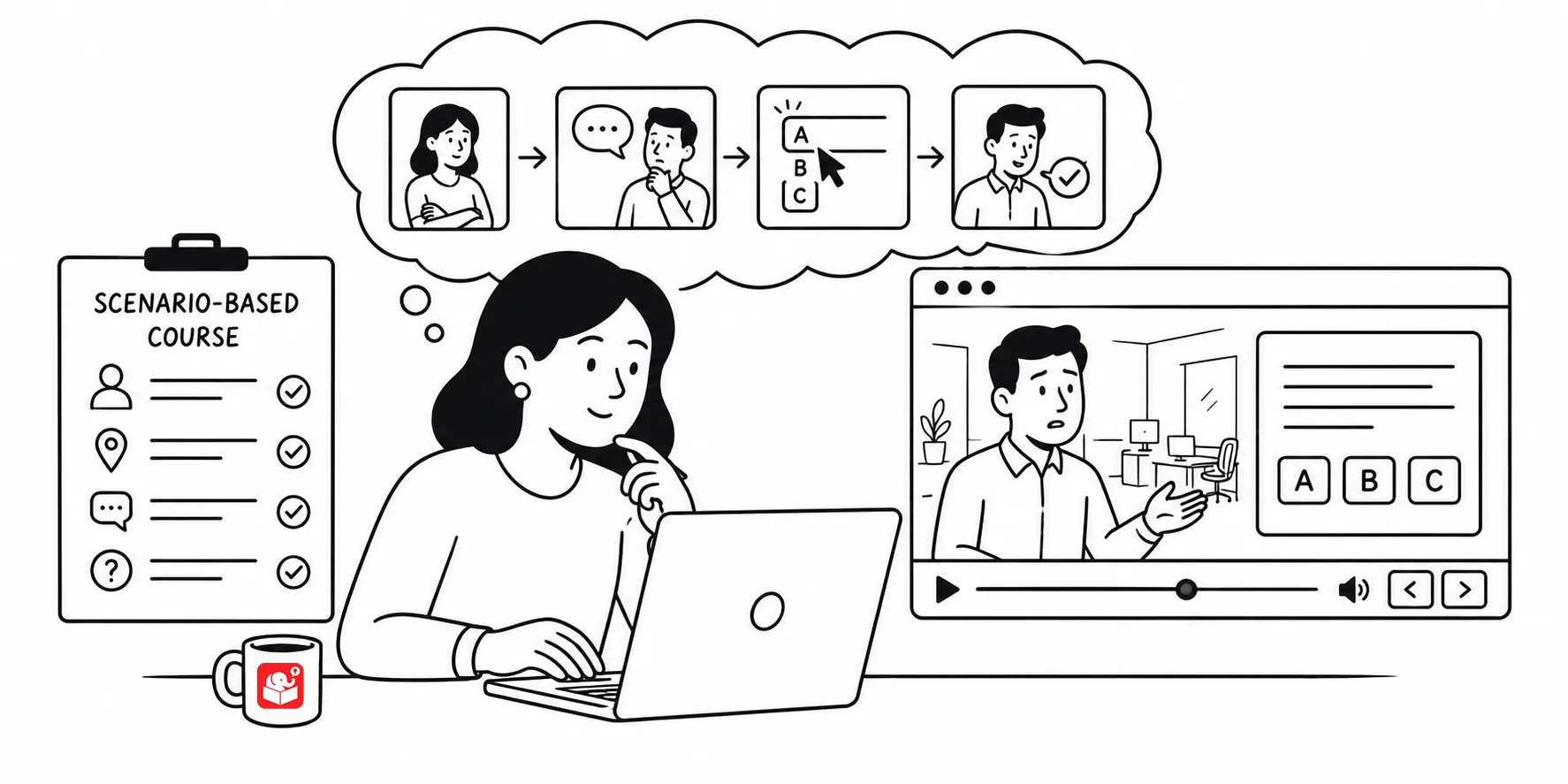
How to Build Scenario-Based Training
Most e-learning falls flat because it presents information and hopes something sticks. Scenario-based learning works because it gives learners a reason to…
-
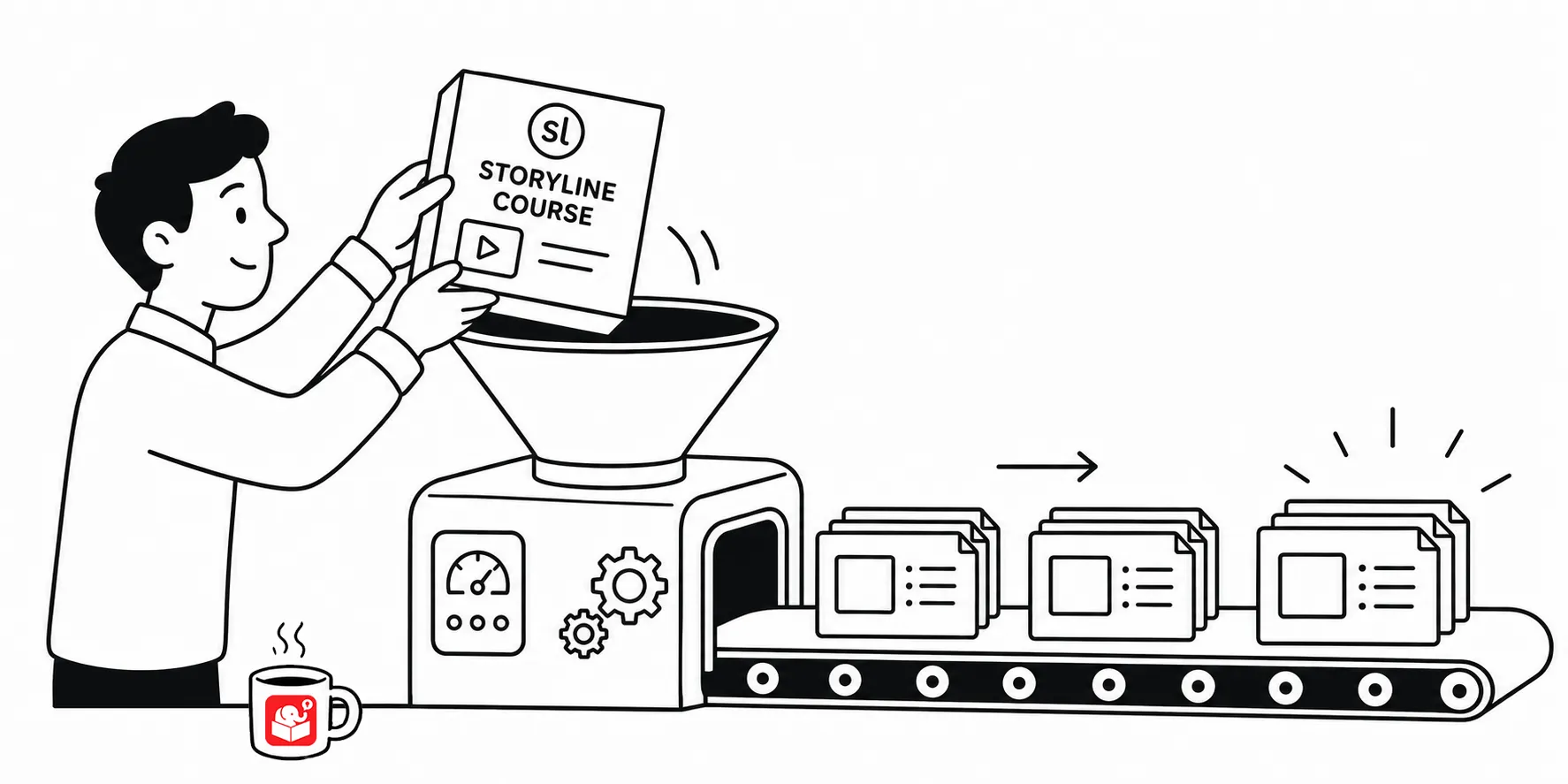
Storyline to PowerPoint, Two Ways
A colleague needs your Storyline course as a PowerPoint file for an upcoming presentation. There’s no direct import path, but two practical…
-
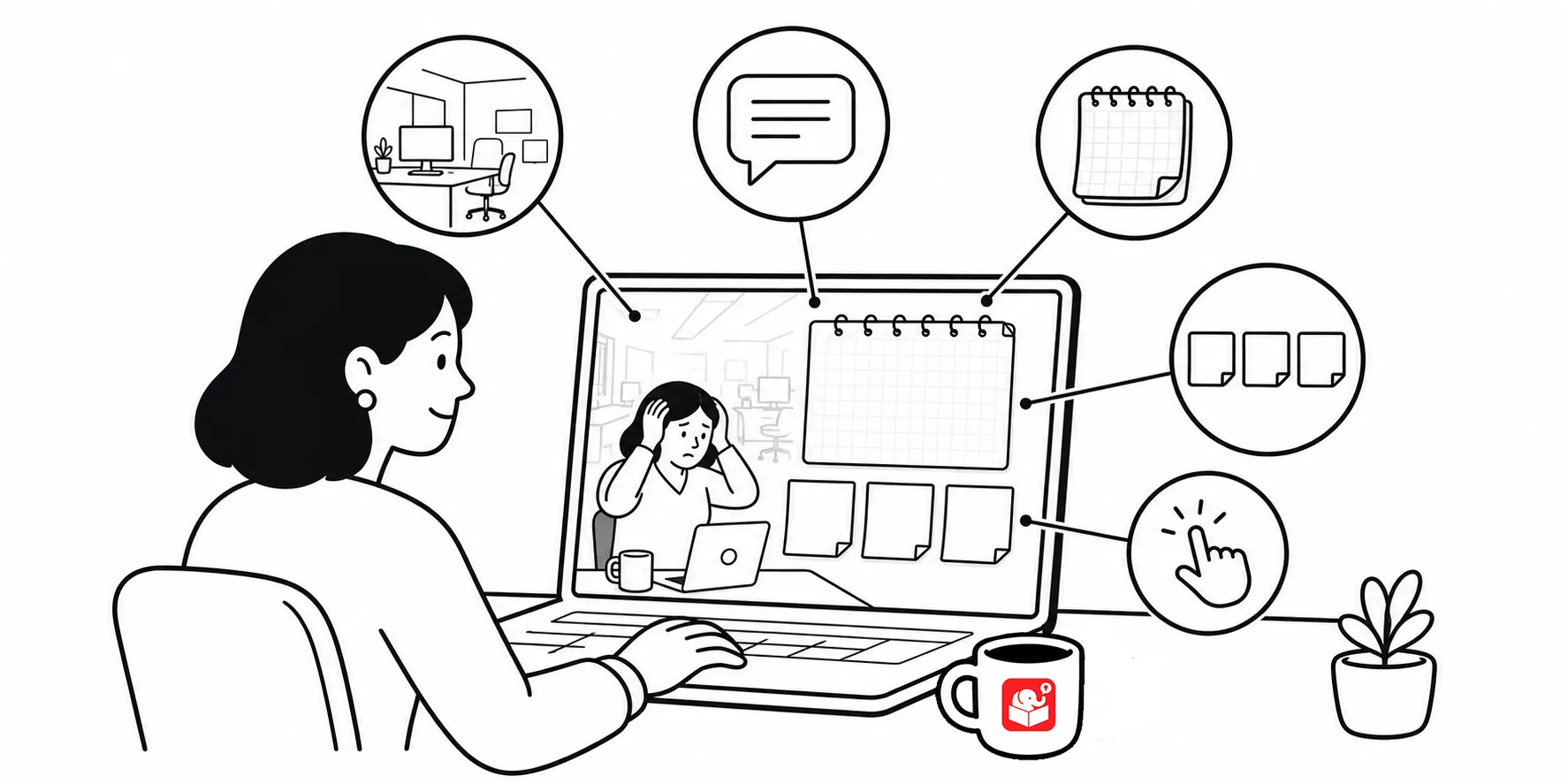
How to Create a Visual Design for Your E-Learning Scenario
Once you’ve got the 3C model down for your scenario structure, the next challenge is building the visuals. Most people get stuck…