Physical Address
304 North Cardinal St.
Dorchester Center, MA 02124
Physical Address
304 North Cardinal St.
Dorchester Center, MA 02124
Helpful ideas. Squeaky value.
Helpful ideas. Squeaky value.
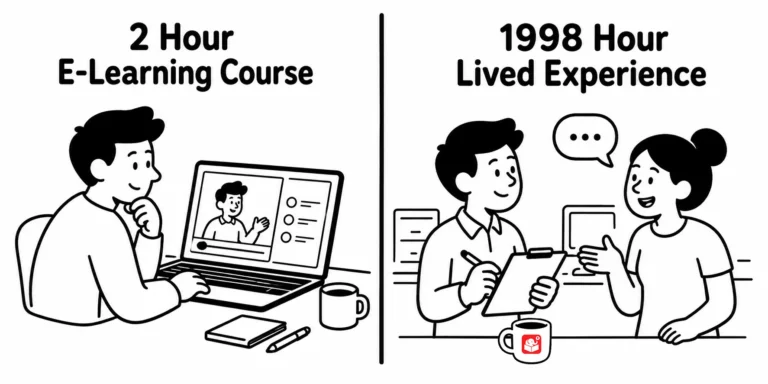
Most e-learning is built as a one-shot event. The problem is that people learn constantly, not just when they're in a course. Here's how to build a strategy that works with those 2000 learning hours.

Not all images help learners. Some get in the way. Research shows that decorative images can actually make learning harder. Here's how to choose images that pull their weight.
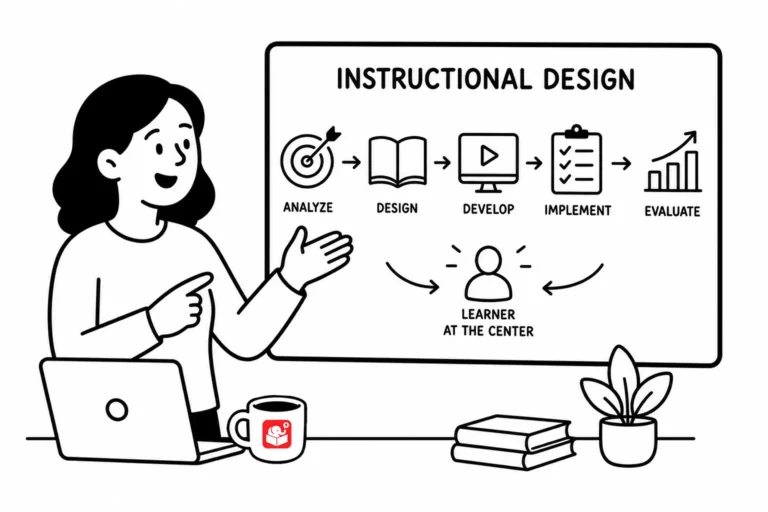
Someone emailed me a question I've been asked a lot: what is the role of the instructional designer, and how do you explain it to clients and SMEs? An awareness test video I stumbled across does a better job answering that question than any explanation I could write.
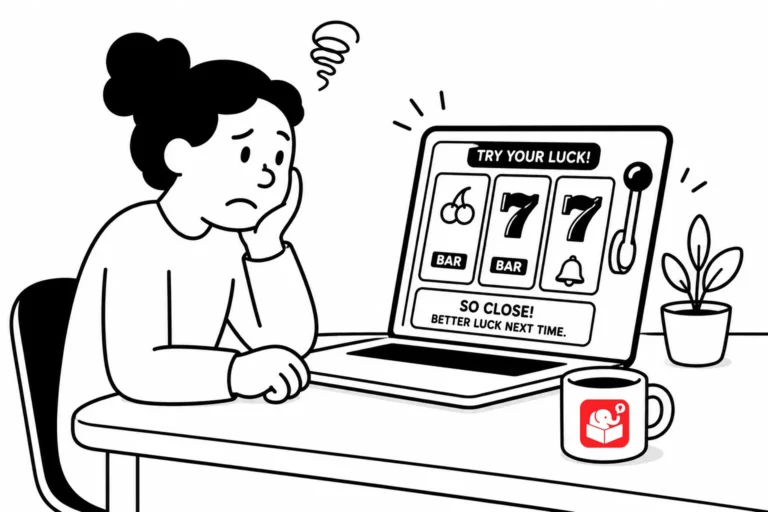
Slot machines pay out 90% of what you put in, and people still lose everything because they keep playing. That near-miss mechanic is a masterclass in sustained engagement. Your e-learning can do something similar, without the gambling debt.

People keep hunting for the right software feature to build their interaction, but the fix isn't a better tool. Here's the 3C model for building interactivity with whatever features you already have, plus a few ways to bend common interactions like flash cards and tabs to do more than they were built for.

People don't read online the way they used to, they scan, skip around, and look for the parts that matter. Here's how to design courses that work with that instinct instead of fighting it, from surfacing key points to building in real-world connections.
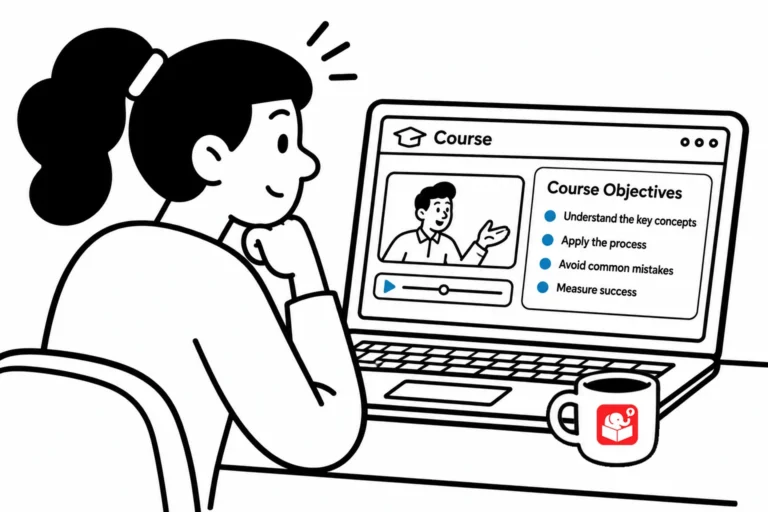
Most e-learning courses lead with a bulleted objectives screen that few learners read carefully. There's a better way to meet the requirement without losing the learner before the course even starts. This post covers two simple alternatives that reduce clutter and keep things moving.
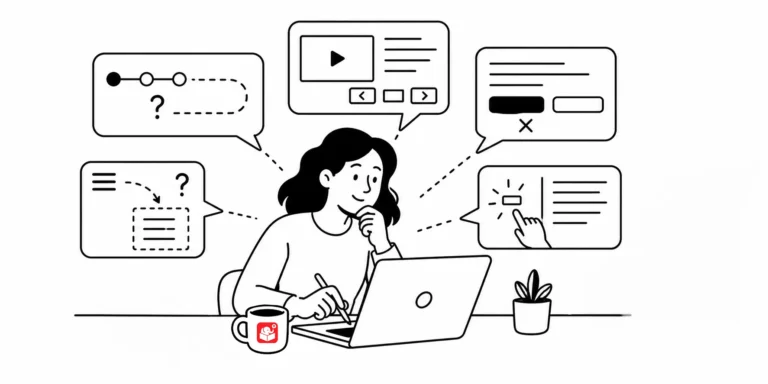
When a learner has to stop and think about how to interact with your course, you've already lost some of their attention. Small navigation and design inconsistencies compound quickly. These four habits help you spot and prevent the most common usability problems.
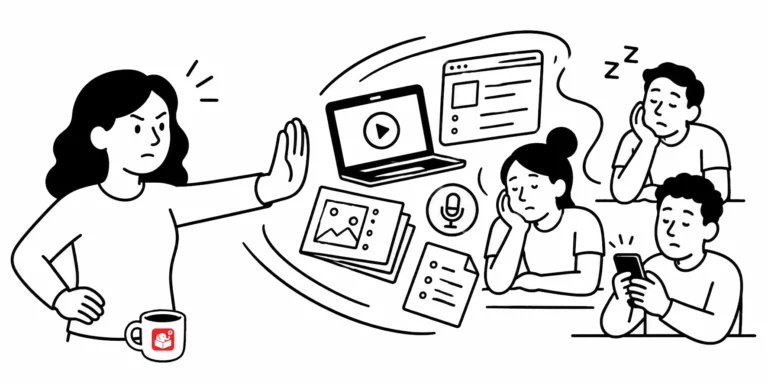
Nobody buys baby shower gifts because they got an email about a moose. And nobody learns from a course that has nothing to do with their real work. Here are three ways to close that gap and build training that actually sticks.
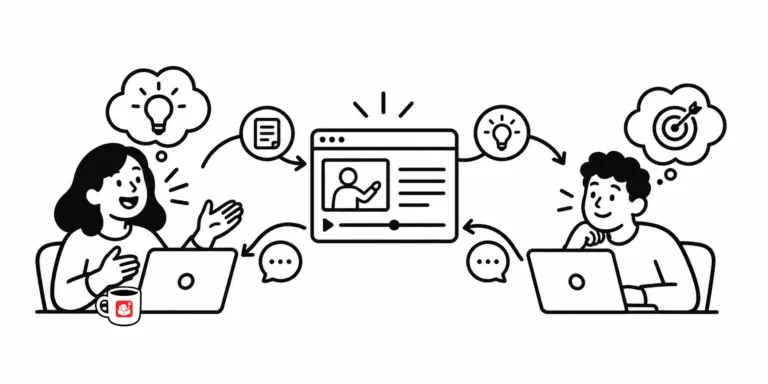
One course rarely fits every learner. Here's why differences in experience, skill level, and motivation trip up your course design, and a few practical ways to design around them.