Physical Address
304 North Cardinal St.
Dorchester Center, MA 02124
Physical Address
304 North Cardinal St.
Dorchester Center, MA 02124
Helpful ideas. Squeaky value.
Helpful ideas. Squeaky value.
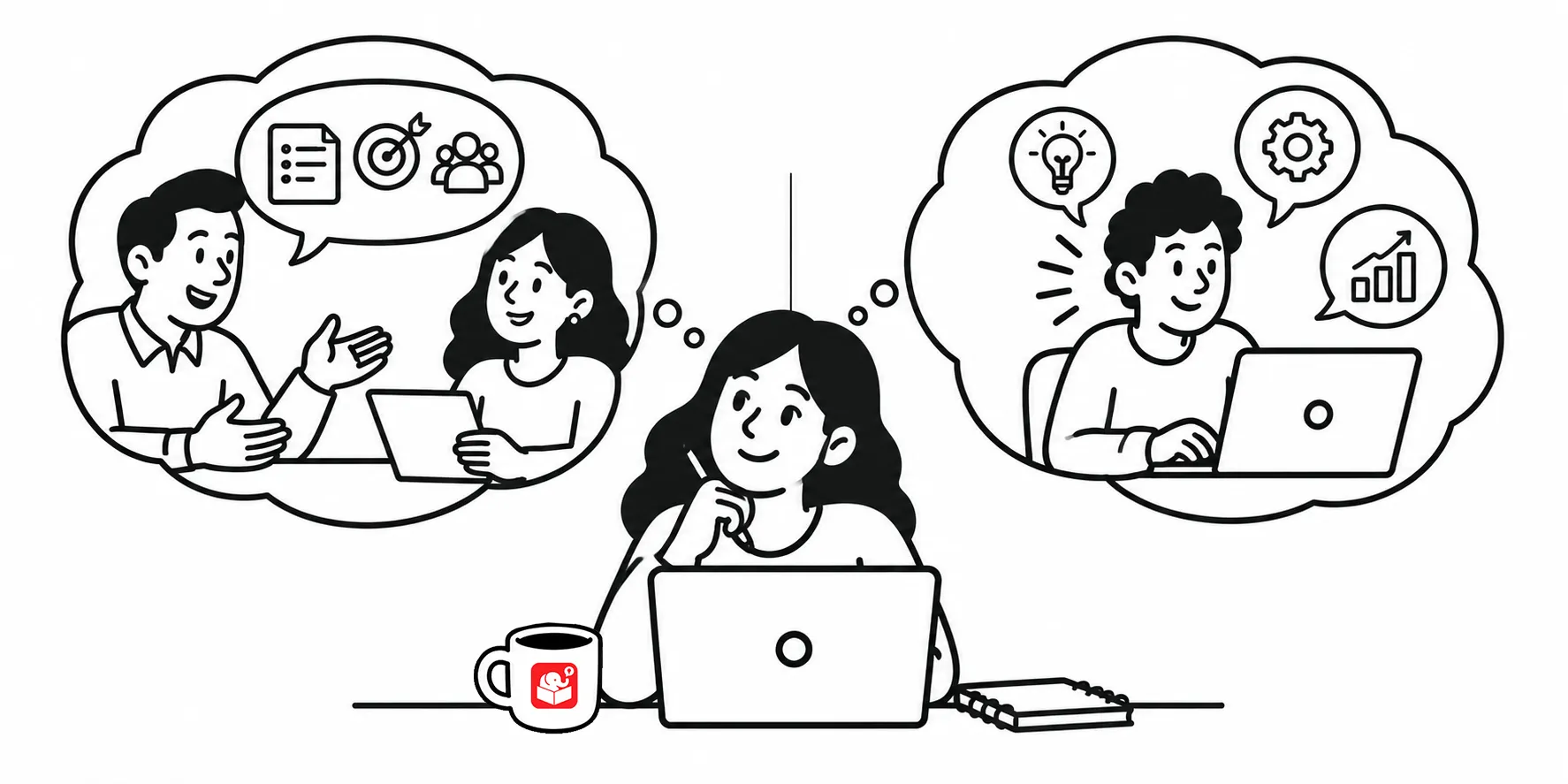
I’ve sat through hundreds of hours of mandatory training that had nothing to do with my actual role. Nobody asked how it was relevant. Nobody checked if it changed anything.
This type of gap exists in a lot of e-learning content. The reason is that we often listen to the client and their need to get training out the door at the expense of the person who has to take it.
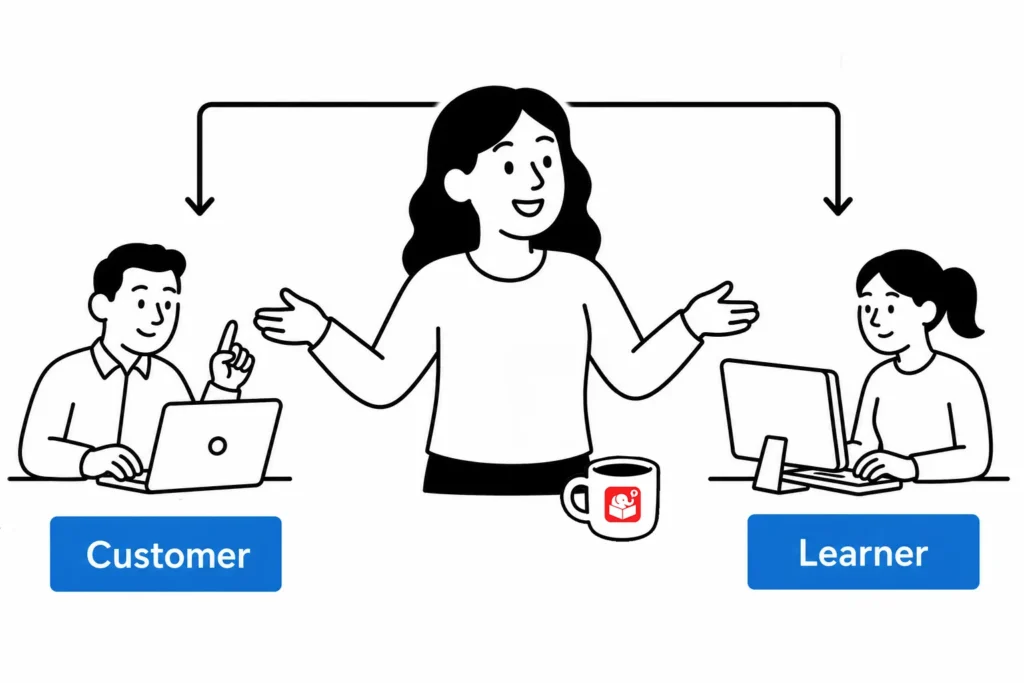
As a course developer you have to please two audiences or stakeholders.
Every course you build has two sets of stakeholders. The person who commissioned it has organizational goals. The person who sits through it has their own expectations about what’s worth their time.
These two sets of needs don’t always line up. The org wants policy knowledge or skill compliance. The learner wants something that helps them do their job better today.
The instructional designer’s job is to connect those two things. That’s the bridge-building role. You’re not just packaging content. You’re finding the overlap between what the organization needs and what the learner will use.
Performance consulting is one of the best tools for this. Start with three questions:
That analysis shapes everything from the objectives to the activities.
Not every course gives you room to do this well. Mandated compliance training with fixed content and no flexibility is the hardest case. You may not be able to redesign the whole thing.
But you can still look for opportunities to make it more relevant for the end-user. Can you add a scenario? Can you tie a question to a real situation the learner faces? Even small connections between the content and the learner’s world can shift how the course lands.
The next time you’re handed a course request, start with two questions. What does the organization need learners to do differently? And why would a learner actually care? The answers don’t always change what you build, but they change how you build it.