Physical Address
304 North Cardinal St.
Dorchester Center, MA 02124
Physical Address
304 North Cardinal St.
Dorchester Center, MA 02124
Helpful ideas. Squeaky value.
Helpful ideas. Squeaky value.

Someone once described dialogue as the most powerful learning technology on earth. When you talk something through with another person, you draw on different experiences and come away with a richer understanding.
The challenge in e-learning is that most courses are designed for a single person sitting alone in front of a screen.
I know this proposal may seem a bit odd and conflict with how many of us build our e-learning courses. But hear me out.
What would e-learning look like if we designed courses for people to take together. Consider not designing courses as solo experiences. Build discussion questions and case studies into the course and have two or three teammates work through it together. One person at the keyboard, all of them talking.
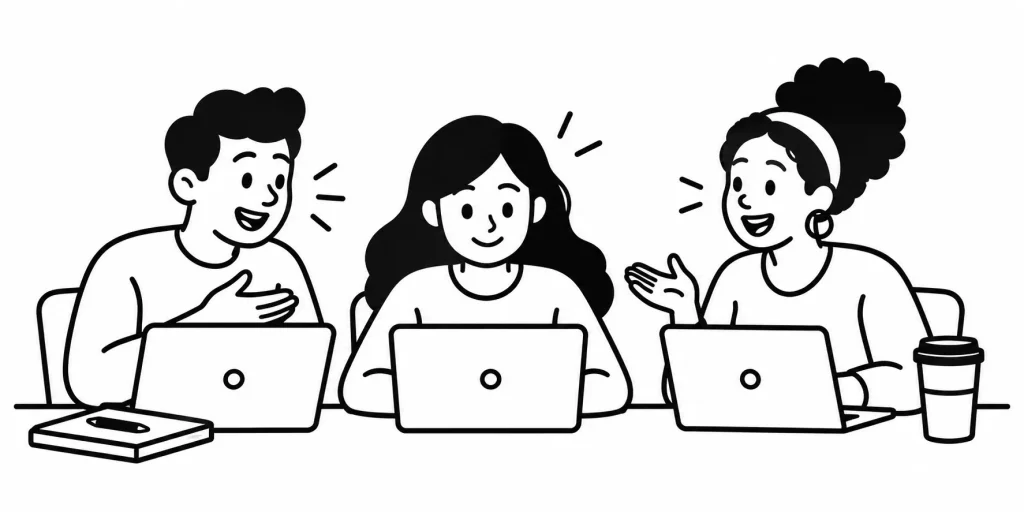
I know, it maybe sound weird. But why?
This could work well for compliance training, team onboarding, or any content where perspective matters. A conversation that breaks out during the course is learning happening in real time. You didn’t have to build a special interaction for it. And it may make the course less boring and help build team chemistry.
You can also pair the course with a facilitated session. The course handles consistent content delivery. The debrief gives learners a chance to talk through what they took away and how it connects to their work.
Adding a group discussion to your course used to be complicated. It isn’t anymore. Most organizations already have chat tools like Teams and Slack, video conferencing, or discussion forums you can link from course content.
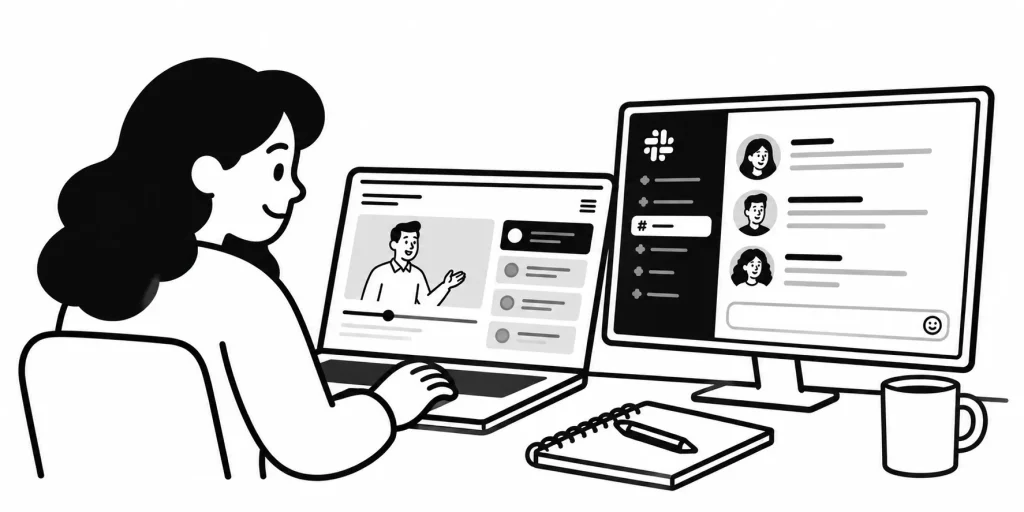
Synchronous sessions (everyone takes the course, then gathers to discuss at the same time) work well when learners are in different locations. An asynchronous forum (learners post and respond on their own schedule) works better for large groups or varied time zones. Both approaches get people talking, which is the whole point.
Give the conversation a focus. Post a specific scenario, a case study, or a question that doesn’t have a clean answer. That’s what gets people genuinely engaged.
Think about what happens after most e-learning courses: learners have questions and nowhere to take them. A short, scheduled Q&A with a subject matter expert fixes that. An hour with the right person answering real questions is often more valuable than the course itself.
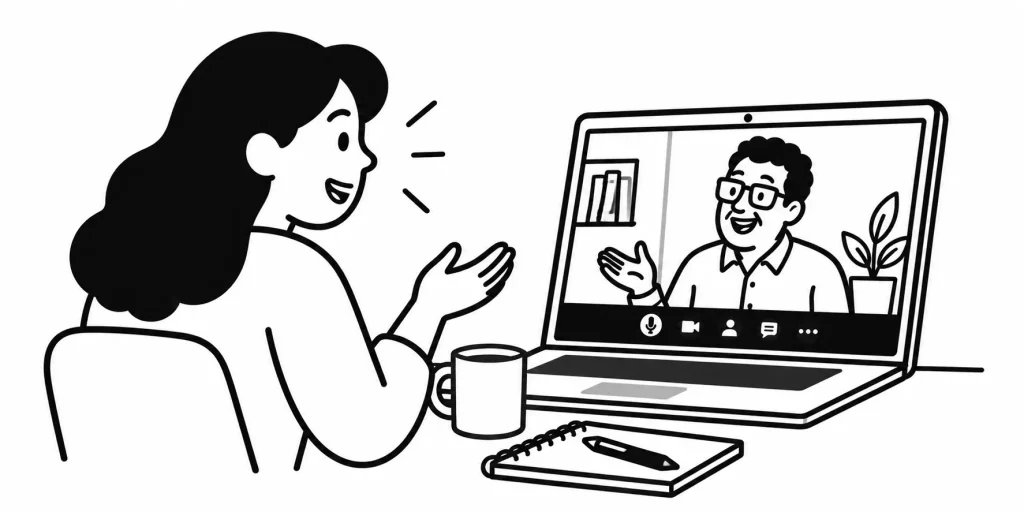
You don’t need a formal event. Some organizations just open a chat channel for office hours and tell learners who’s available and when. The expert answers questions as they come in, and learners know help is a message away.
Either approach turns one-way content delivery into something that actually invites dialogue.
Pick one of these approaches and try it on your next project. Add a discussion question to a course you’re updating, schedule a post-course Q&A, or suggest that a team take the module together. You don’t have to redesign the whole course. One small change to your delivery model can make a real difference in how much learners take away.