Physical Address
304 North Cardinal St.
Dorchester Center, MA 02124
Physical Address
304 North Cardinal St.
Dorchester Center, MA 02124
Helpful ideas. Squeaky value.
Helpful ideas. Squeaky value.
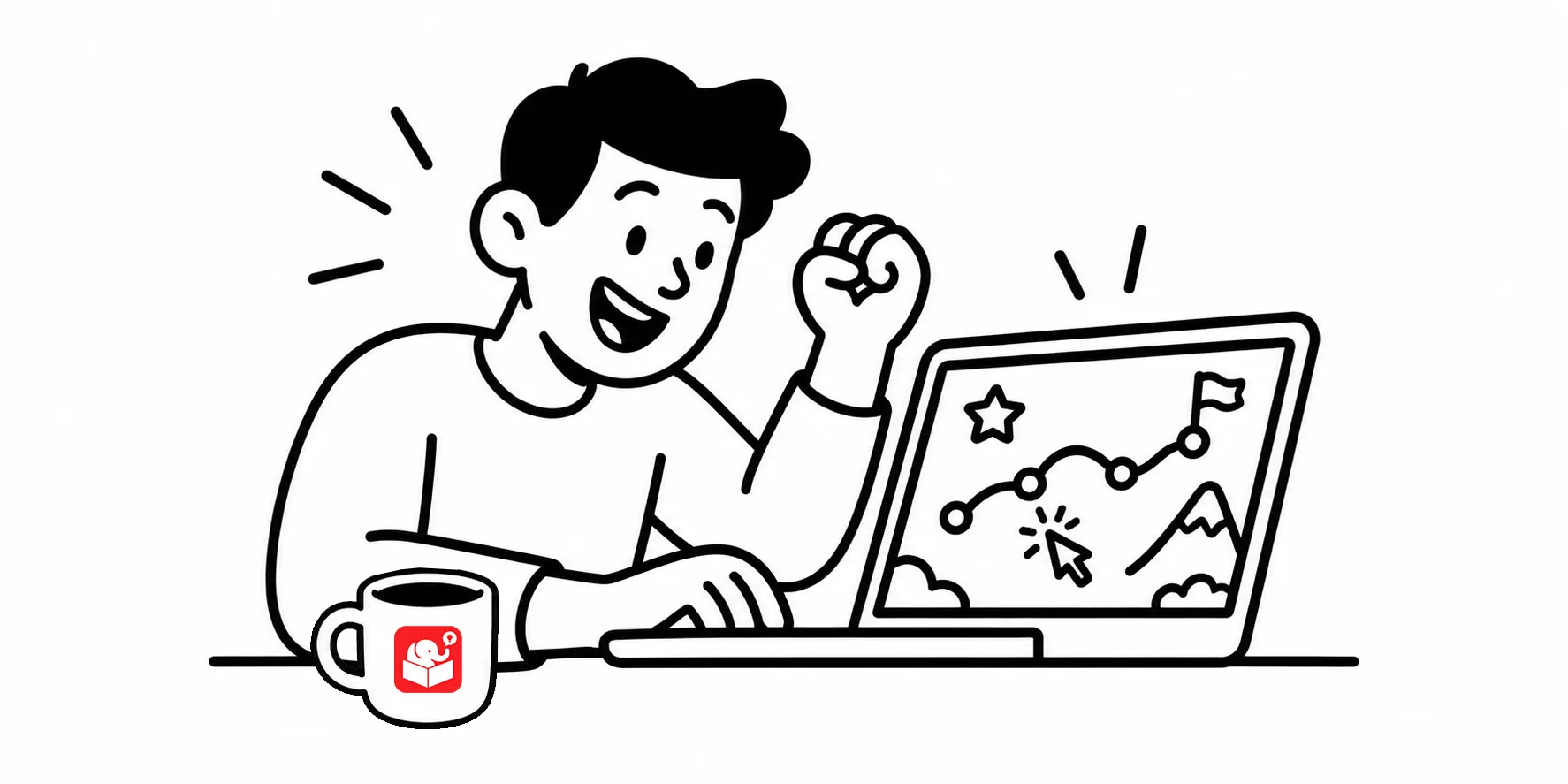
I was wasting time with this activity where you create the next iPhone. Playing with the site reminded me of a few core principles that are often neglected when building interactive e-learning; so here are a few brief thoughts.

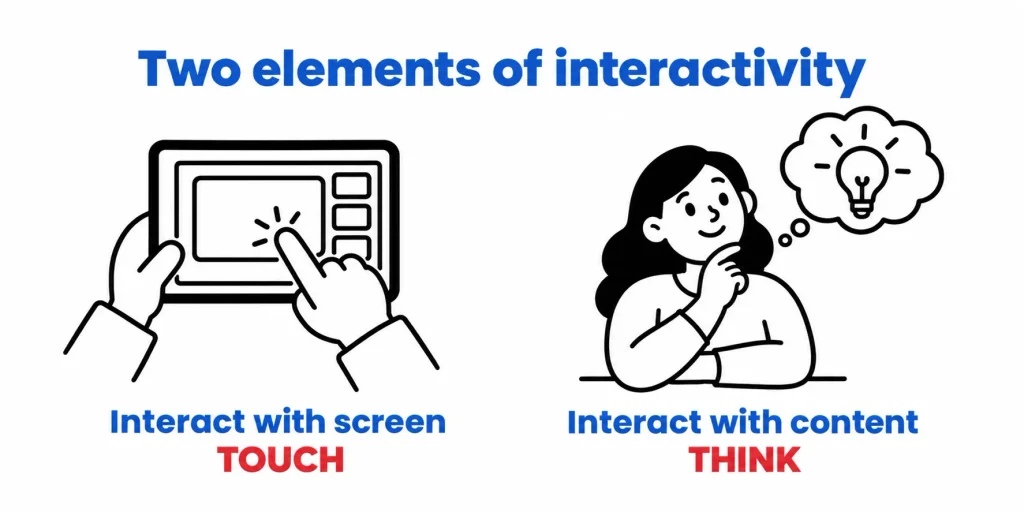
There are two types of interactivity worth thinking about.
Most courses stop at the first type. A learner clicks through and feels busy. But they haven’t had to think about anything or apply what they just saw.
The iPhone builder was engaging because it let me construct something. I made choices. I combined options. That sense of ownership or agency in the constuction made the experience both fun and sticky.
Look at the last course you built. Was there any place where learners could build, explore, or play with ideas? It is harder to design than a quiz, but it’s closer to how real learning works.
Obviously this doesn’t work for every course, but it something to consider when drafting your course ideas.
Most courses assess the learner because they need a grade, not because they want to understand how someone is thinking. A better approach puts options in front of learners and lets them explore what happens when they choose wrong.
“What if I pick this answer?” “What happens if I try this out of order?”
Give people room to test bad choices and see what follows. That sticks more than telling them the right answer upfront.
You don’t always have to deliver information in a neat package. Present a challenge. Give resources and prompts. Let learners figure out what they need. Check in later to see what stuck.
That’s a harder course to build. But it treats learners as people who can think, not just click.
The courses that people remember are the ones where they had to do something. As you plan your next build, ask where there’s room for exploration, construction, or real decision-making. Even one good “what if” moment can shift how a learner experiences the whole course.