Physical Address
304 North Cardinal St.
Dorchester Center, MA 02124
Physical Address
304 North Cardinal St.
Dorchester Center, MA 02124
Helpful ideas. Squeaky value.
Helpful ideas. Squeaky value.
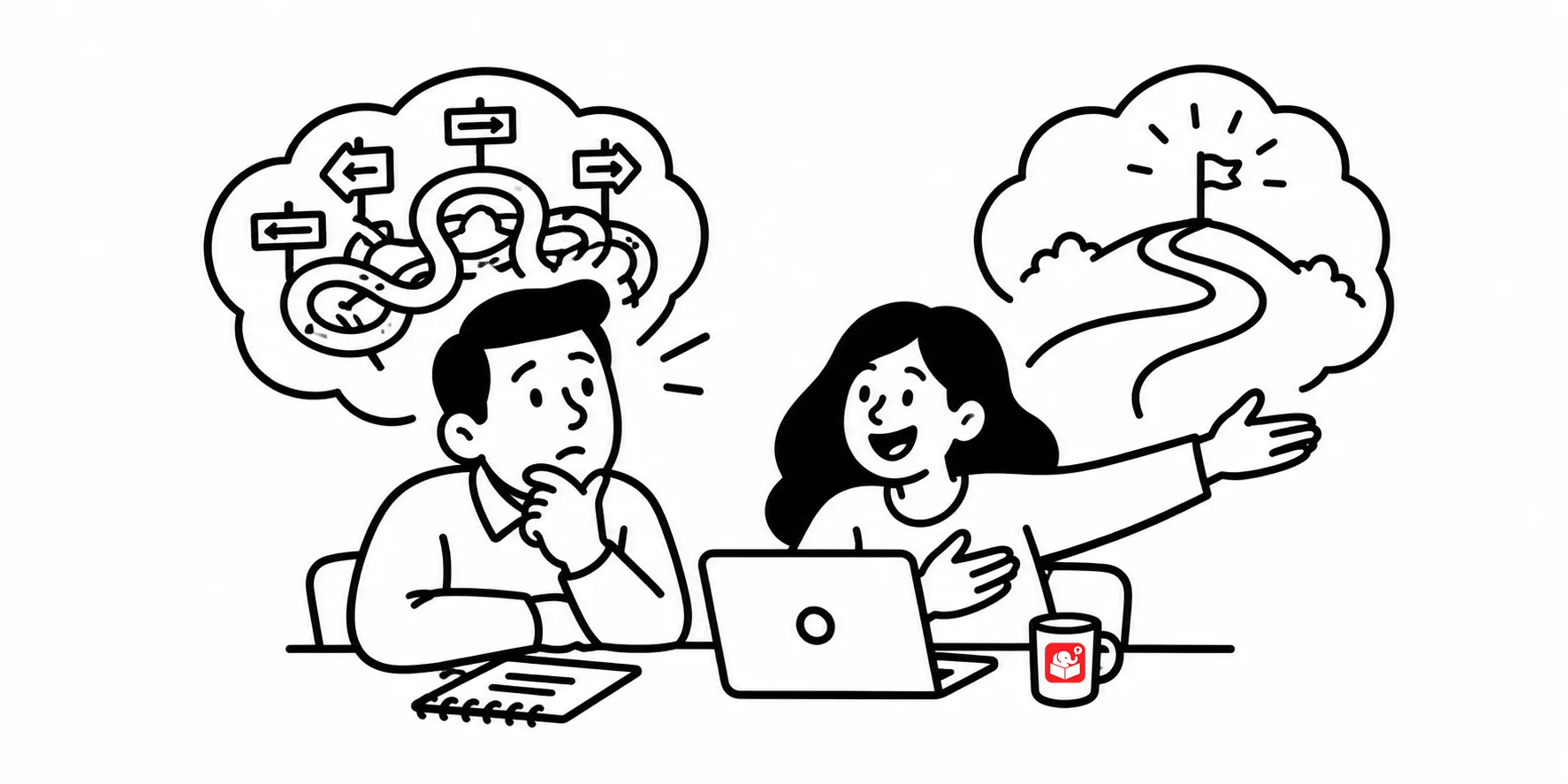
A client submits a project brief, and you can see immediately that it won’t work. The course they’re describing is packed with way too much information, they want to lock navigation, and there’s no clear learning outcome.
You can build what they asked for, which is probably the easiest thing to do. Or you can steer toward something that actually works and helps them meet their goals.
The default course request is usually a linear, click-through slide deck full of text. That’s what many clients picture when they think of e-learning. Getting them to see a different approach takes effort, especially under tight timelines and limited budgets. But it’s worth it.
We’ll explore a few ways to do this.
Two things shape every client relationship from the start. First is tone. Build excitement around the project and show what good e-learning can look like.
I like to have a small portfolio of “typical” e-learning and then those courses reworked to be more engaging, interactive, and more effective. This helps move clients past their default expectations.
Second is service. You know what happens during the project lifecycle. Anticipate obstacles before they become problems. When you handle issues before the client notices them, you look like the expert you are.
You’re the one who was brought in to build the course. That’s worth remembering when a client pushes for an approach you know won’t work.
Understand the core objectives and explain clearly why your approach meets them. Back your recommendations with research or design references when it helps. That’s why I like the portfolio. They all know what bad e-learning is and probably don’t want to build it.
I think back to earlier in my career when I stayed quiet and let clients steer us toward weak courses. I hadn’t yet built the confidence to push back. But your expertise is exactly why you’re in the room. Don’t let it sit there quietly when things are going in the wrong direction.
Working with the client to set clear goals and expectations from the start saves time and avoids disappointment. It keeps the project on track and reduces scope creep which is a common problem on e-learning projects.
Set key milestones. Get approval and keep the client in the loop at every stage. When you see a problem coming, raise it before it becomes a real issue.
The course designer who earns trust early gets more latitude to do good work. When you show up as a confident expert and keep clients informed, you shift the dynamic of the whole project. The next brief you receive could be the start of something you’re genuinely proud of.