Physical Address
304 North Cardinal St.
Dorchester Center, MA 02124
Physical Address
304 North Cardinal St.
Dorchester Center, MA 02124
Helpful ideas. Squeaky value.
Helpful ideas. Squeaky value.
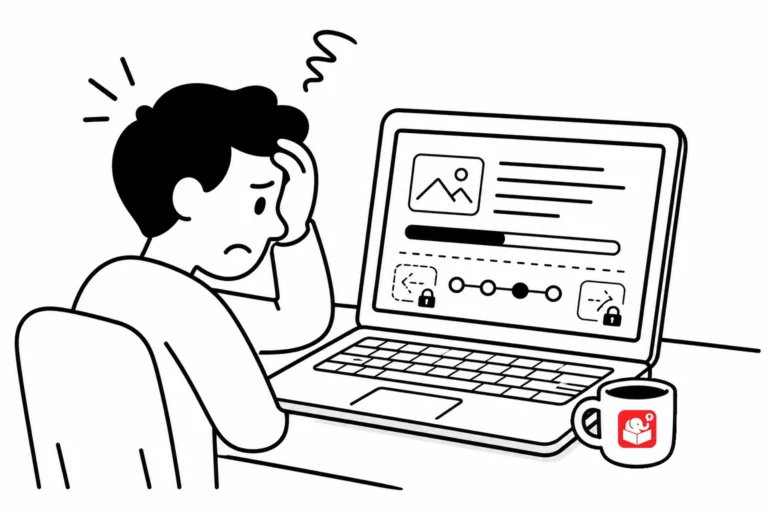
The instinct to lock every screen in a course is understandable. If learners can skip freely, how do you know they learned anything? The answer is in the assessment, not the navigation.
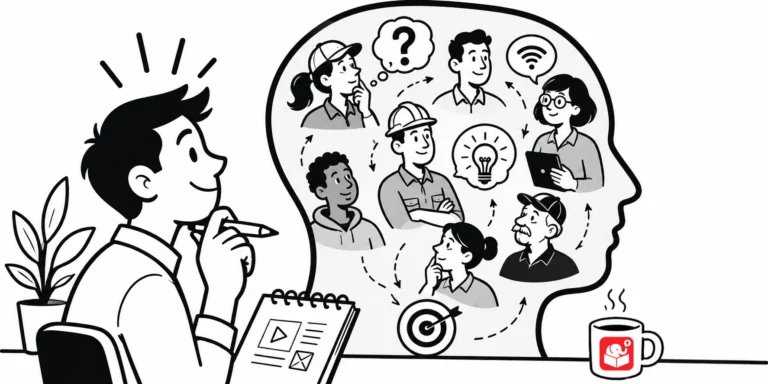
You can build a technically solid course and still miss the mark completely. It happens when you design based on what you think learners need instead of what they actually face. Here are eight things to watch for before you start building.
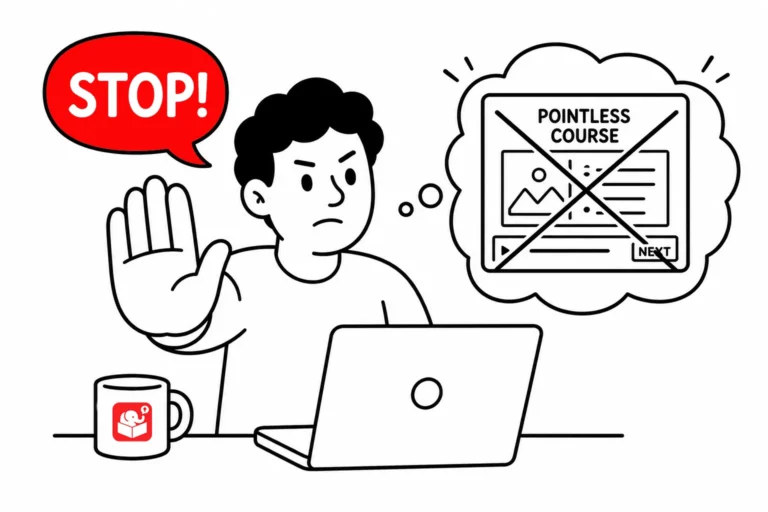
Every training request that comes in costs time and budget to fulfill. But not all of them actually need a course. Three strategies can help you do less without delivering less.
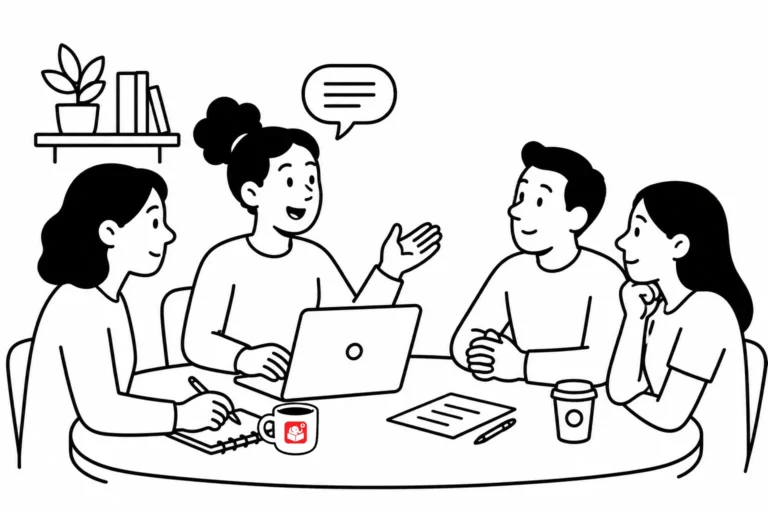
I once got pushback from a client for wanting to talk to the actual loan officers before building their training. Here's why that conversation matters more than any content deck, and a few practical ways to get learner input into your process before the course is finished.
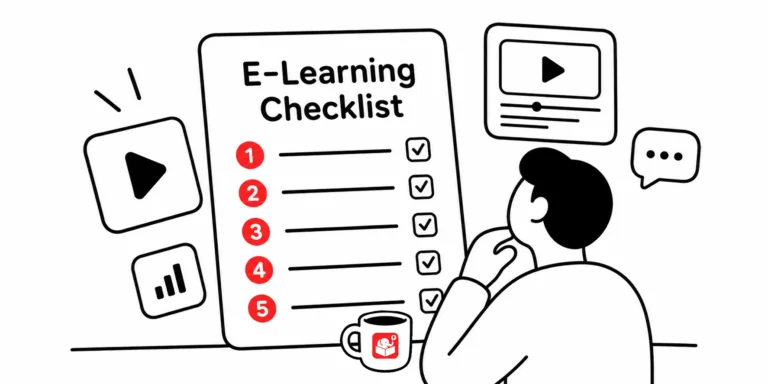
Launching an e-learning course without a review is like sending an email before you proofread it. Something will be off, and someone else will find it first. This checklist walks you through the ten areas to check before your course goes live.
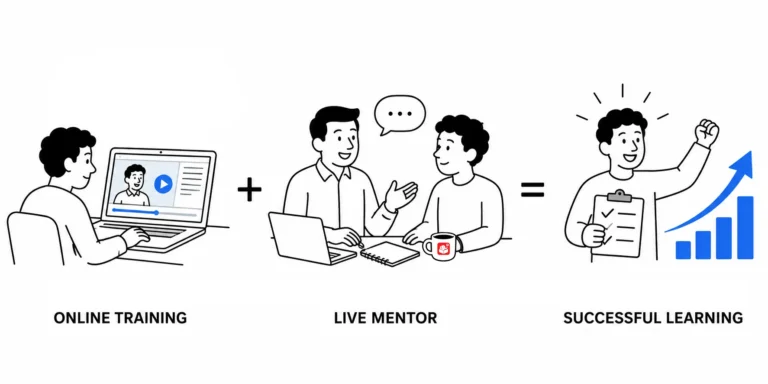
A new employee can absorb theory from a course, but real competence comes from doing the work. Pairing e-learning with peer coaching gives you a complete training system. A learning journal is the tool that connects both.

Most e-learning projects go sideways not because of bad design, but because nobody asked the right questions up front. These seven questions help you build the right thing before you write a single learning objective.
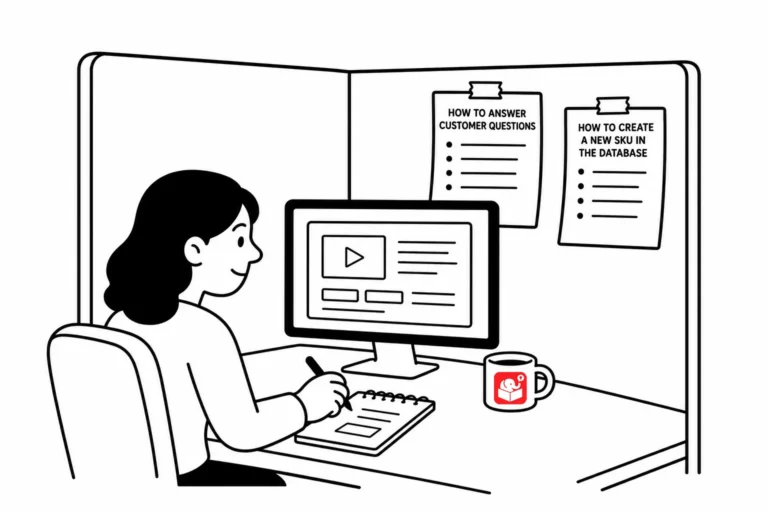
Employees kept building their own cheat sheets that did more good than months of formal training. Here's what that says about how much content actually belongs in a course, and a simple test to figure out what to keep.
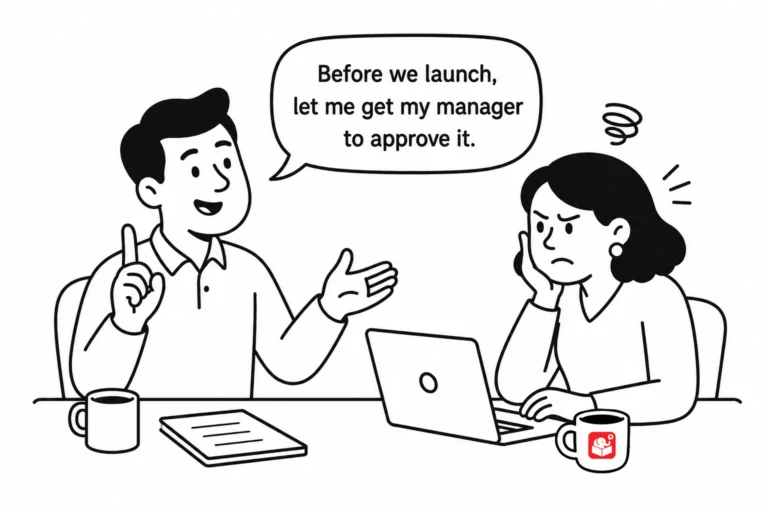
E-learning projects often derail right before launch, and it's rarely because of bad design. The real issue is that the final decision-maker wasn't involved until the end. This post shows you how to fix that before work begins.
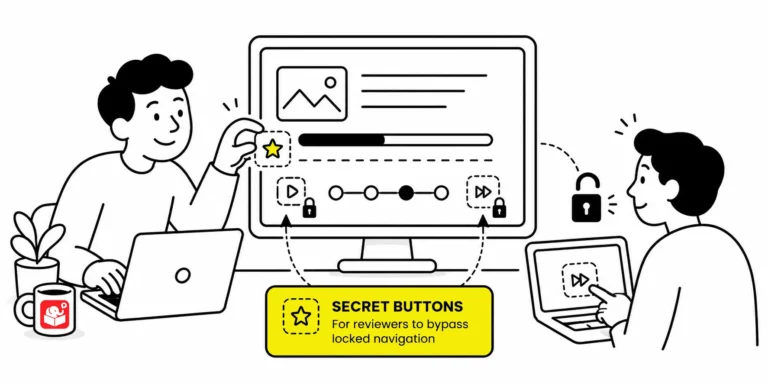
When a course locks every slide, reviewers must sit through narration and animations just to check one thing. That slows down feedback and makes troubleshooting painful. A hidden shortcut menu fixes it without affecting the published experience for learners.

Working with subject matter experts can make or break your training project. Here are practical tips for setting clear expectations and managing the relationship so your project stays on track.
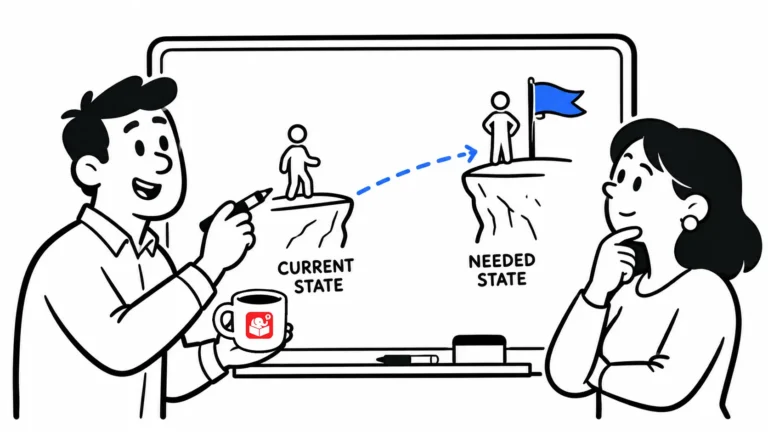
Before you build another course, figure out the objective it's supposed to meet. Here's how to stop starting with the solution and get better training results.
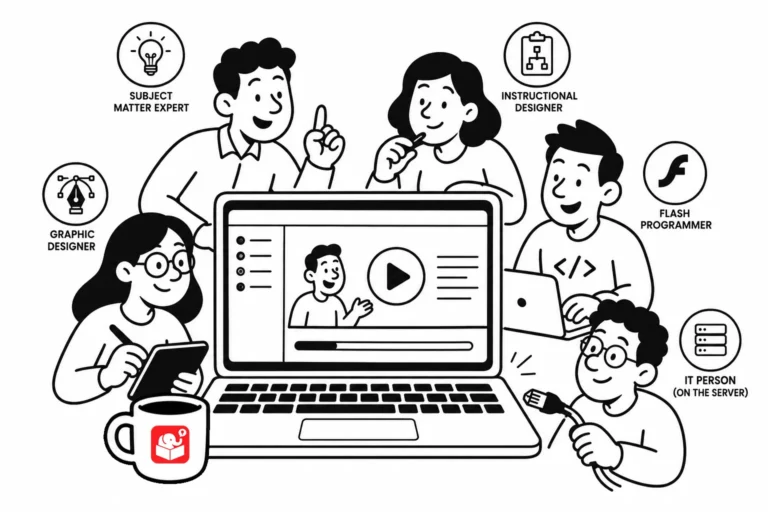
Great e-learning doesn't happen in a vacuum. Even the most independent developer relies on a network of people to deliver a course that works. Here's a breakdown of who those people are and what they each bring to the project.
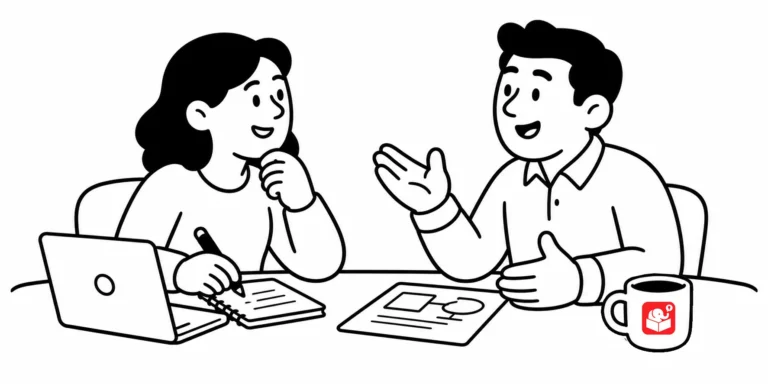
Most course developers struggle to get what they need from subject matter experts. It's not a content problem — it's a relationship problem. Here's how to fix it before the project goes sideways.
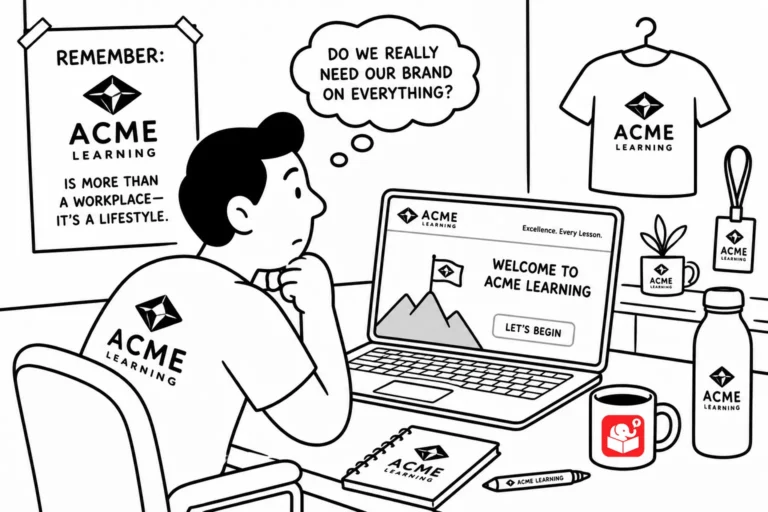
Every e-learning team gets the request: add our logo and brand colors to every screen. But does it help learners learn? Here's a quick case for questioning how much branding actually belongs in a course.