Physical Address
304 North Cardinal St.
Dorchester Center, MA 02124
Physical Address
304 North Cardinal St.
Dorchester Center, MA 02124
Helpful ideas. Squeaky value.
Helpful ideas. Squeaky value.
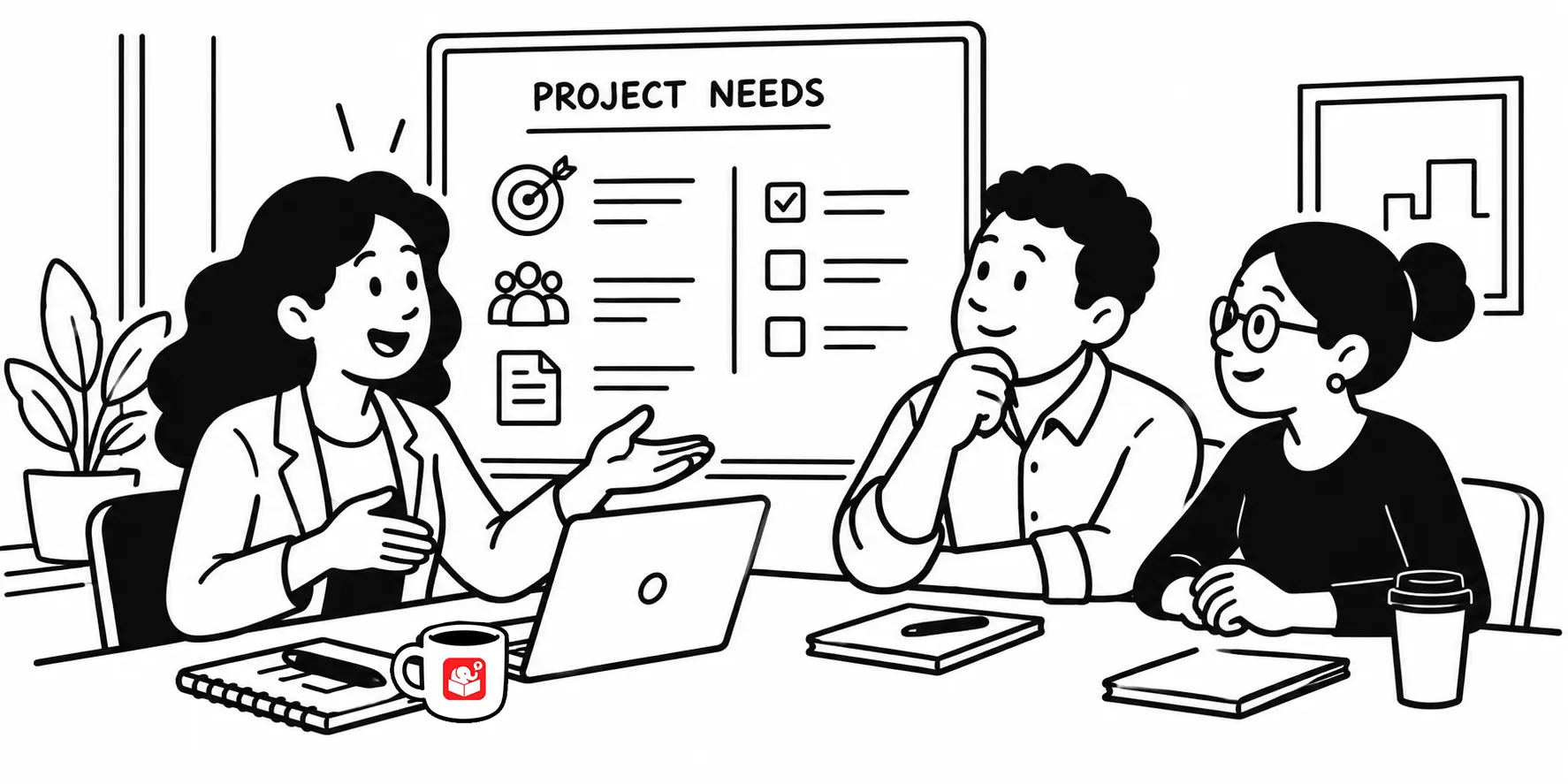
Here’s a problem I’ve run into quite a few times. I spend three months working on a project. Right before it goes live, the proud customer invites her boss to look at the new course. The boss who was never involved in the process reviews it, offers some opinions, and wants to make changes.
He’d never been part of the process. The whole thing nearly fell apart over one person’s last-minute opinions.
That story is more common than it should be. The course itself was fine. The problem was a missing conversation at the start about who had final say. These five tips are about having those conversations before they become crises.
The most important question to ask at the start of any project is: who signs off? Not who you’re meeting with. Not who assigned the project. The person who approves the finished course. Find that person early and get them into a prototype review before you’ve built anything painful to change later.
Also, create an agreement that specifies deliverables and due dates. If the customer wants to make changes, then request to make changes to the agreement so that you’re not held to expectations that were created prior to additional requests.
Clients often request a training course when the real problem is something else. One client wanted an IT security course. However, upon review, the real issue was that employees were misusing company internet access. An IT security course wouldn’t fix that. The right solution was a clear policy on appropriate use of company technology.
Drill down before you build. Ask what will be different after the course is done. Ask what’s happening right now that shouldn’t be. Sometimes a course is the right answer. Sometimes it isn’t, and it’s better to find out before you invest three months.
You can’t build a good course without the right inputs. That means access to subject matter experts, sample content, existing documentation, and someone who represents the actual learners.
Don’t wait for the client to connect you with these people. Ask for introductions in the first week. It’s harder to get access later when everyone assumes the project is already sorted.
When the client needs to bring in someone from another department, ask them to make the introduction and explain the project. That framing sets expectations for everyone involved before the work starts.
If you’re working as a vendor, budget conversations are obvious. But internal learning teams often skip them entirely. Even a small budget for custom assets or programming matters. Ask for what you need upfront. The conversation is much easier before you’ve started than after you’ve hit a wall. If there’s no money for the project that’s good to know right away.
Worst case, they say no. But you’d be surprised how often a small ask gets approved when it’s framed early and clearly.
Not every course needs a performance metric. But every project needs some definition of success. This could be lower training costs, faster onboarding, fewer support tickets, reduced travel costs for in-person sessions. Those all count. Write down what success looks like before the project starts and revisit it at the end.
Without a definition, the client measures success against whatever expectation they had in their head. That’s a comparison you’ll usually lose.
Before your next project kicks off, take four steps. Find the decision-maker and get them into a prototype review early. Write down deliverables and success criteria in a short agreement. These steps don’t add time to the project. They remove the surprises that sink good work at the finish line.