Physical Address
304 North Cardinal St.
Dorchester Center, MA 02124
Physical Address
304 North Cardinal St.
Dorchester Center, MA 02124
Helpful ideas. Squeaky value.
Helpful ideas. Squeaky value.
Everything about creating online training and courses, from the thinking behind good instruction to the tools and tricks used to build it.
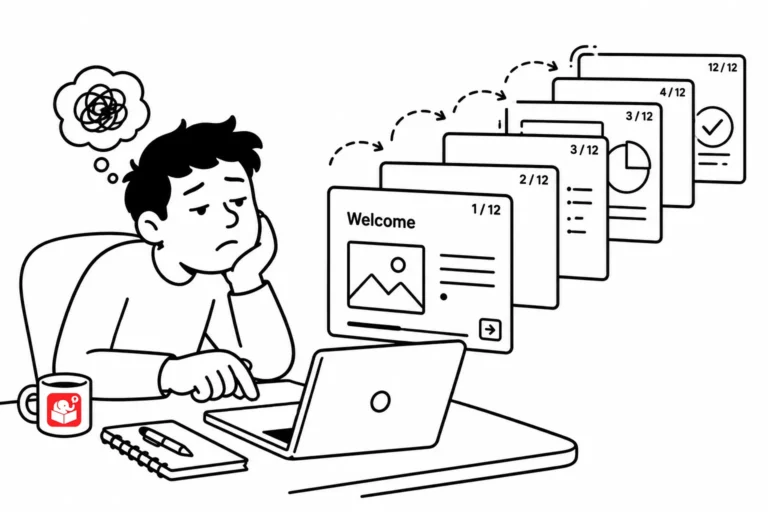
Most e-learning pushes content and calls it training, even when nobody can demonstrate anything different afterward. Here's why content alone isn't a course, and how to push back when someone hands you a slide deck and asks you to turn it into one.

People judge things by how they look. That's not shallow, it's just how attention works. If your e-learning course looks thrown together, learners assume the content is too. Here's how to change that without a design degree.
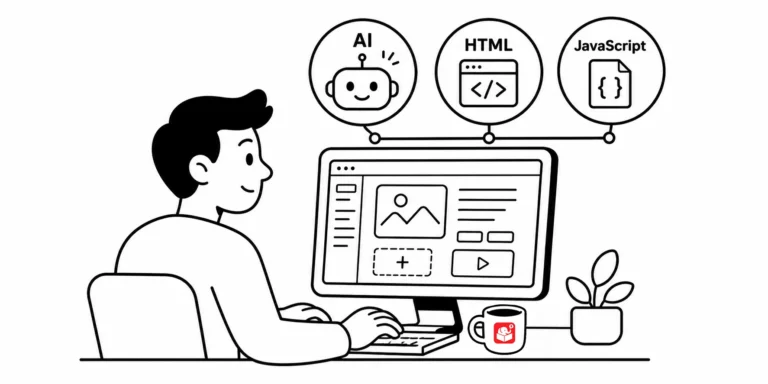
Storyline and Rise handle the heavy lifting, but a little code and AI knowledge still pays off. Learn where HTML and JavaScript solve embedding problems, and where AI now speeds up creating text, images, video, and audio for your courses. Both come down to the same thing: knowing enough to spot a problem and fix it fast.
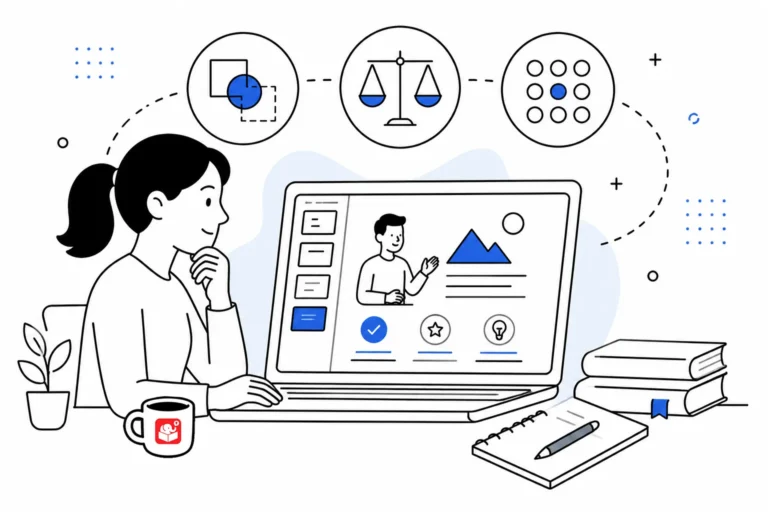
Most e-learning developers aren't graphic designers. But a few core principles can take your courses from visually cluttered to genuinely clear. Here are three that make the biggest difference.
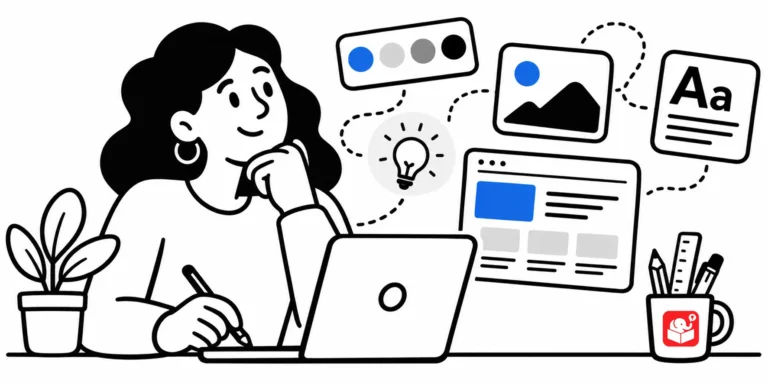
Most e-learning developers came up through training, not design — and it shows. This post covers the visual design principles every course builder needs, why AI tools can't replace that foundation, and one book that puts it all together.
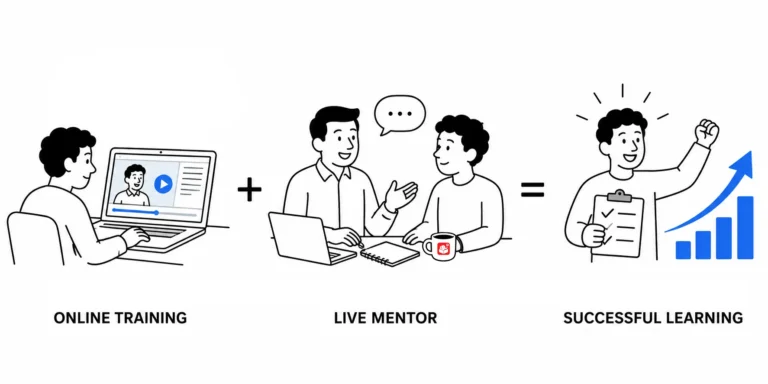
A new employee can absorb theory from a course, but real competence comes from doing the work. Pairing e-learning with peer coaching gives you a complete training system. A learning journal is the tool that connects both.

Most e-learning courses treat the course as the finish line. But learning happens before and after the course, too. Here's how to think about all three phases so your course actually produces results.
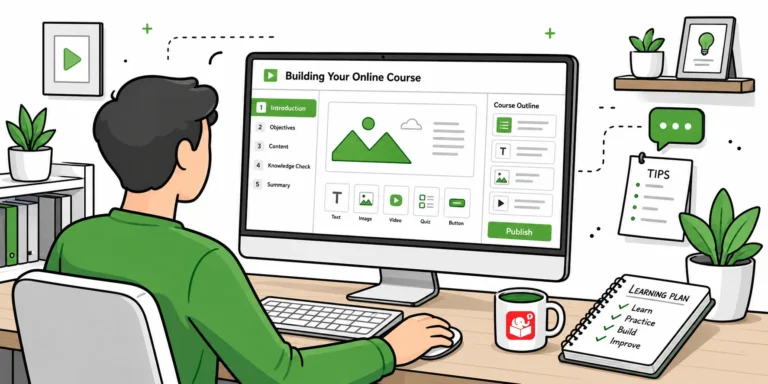
New e-learning developers often expect to get good quickly. But your first course won't be your best, and that's completely fine. Here's what actually matters if you want to improve and build your skills the right way.
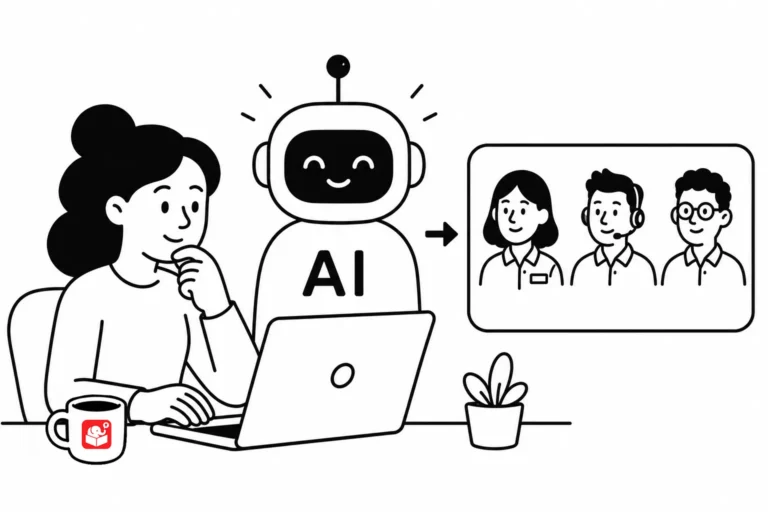
The secret to good AI illustrations isn't the tool. It's knowing how to write prompts that get you what you actually need. This post breaks down the three-part structure that works.

Most e-learning projects go sideways not because of bad design, but because nobody asked the right questions up front. These seven questions help you build the right thing before you write a single learning objective.
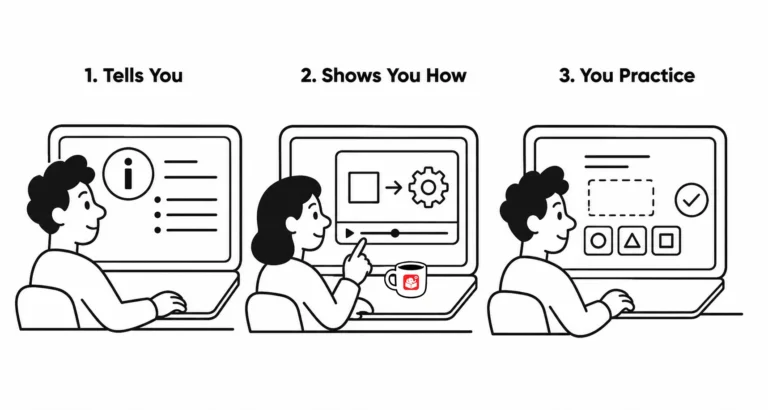
Here’s a common scenario: you’re ten minutes into an e-learning course. You’ve clicked through eight slides. Yet, you have no idea what you’re supposed to do differently when you’re done. The reason this happens is because most courses are explainer…
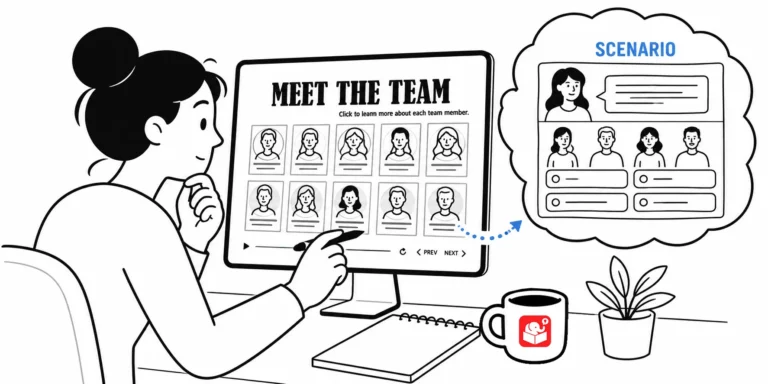
Most e-learning developers avoid gamification because it feels too complex to build quickly. But you can take a template you already have and add just a few interactive elements to change the experience entirely. Here's how a simple meet-the-team template became a decision-making challenge.
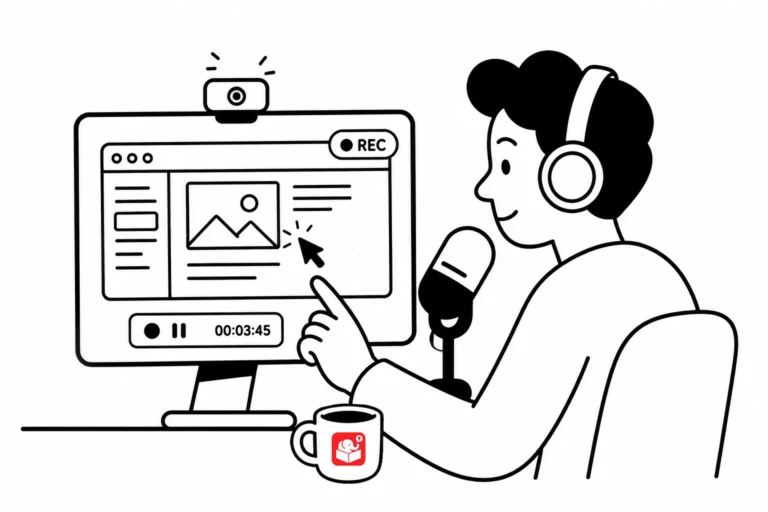
Screencast tutorials are some of the most common forms of online training. This makes sense since a large part of e-learning is predicated on learning new software. One challenge is creating effective and engaging screencasts. So today, we'll look at a few simple production tips to help you get started.
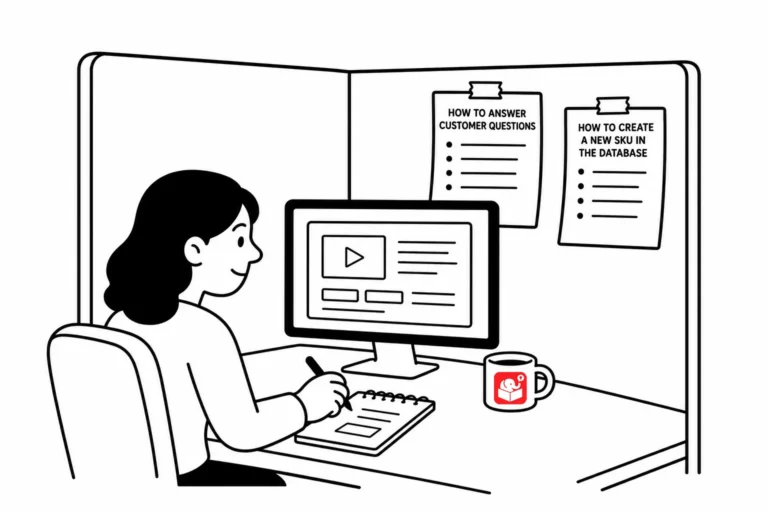
Employees kept building their own cheat sheets that did more good than months of formal training. Here's what that says about how much content actually belongs in a course, and a simple test to figure out what to keep.
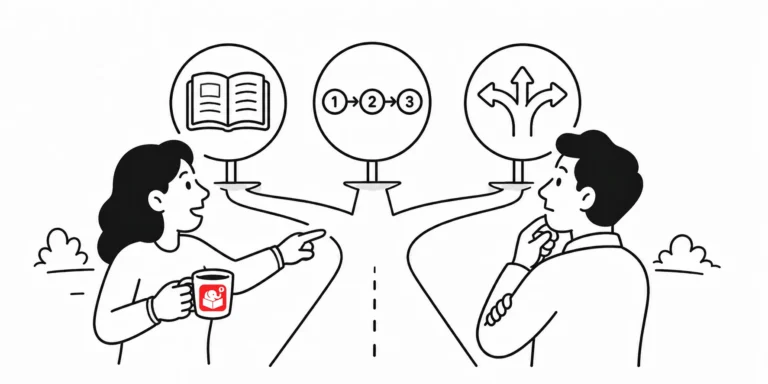
Not every course needs the same kind of design, and building the wrong type wastes time on both ends. Here's how to tell explainer, step-by-step, and principle-based courses apart, and why asking one question upfront makes the rest of the project easier.