Physical Address
304 North Cardinal St.
Dorchester Center, MA 02124
Physical Address
304 North Cardinal St.
Dorchester Center, MA 02124
Helpful ideas. Squeaky value.
Helpful ideas. Squeaky value.
Everything about creating online training and courses, from the thinking behind good instruction to the tools and tricks used to build it.
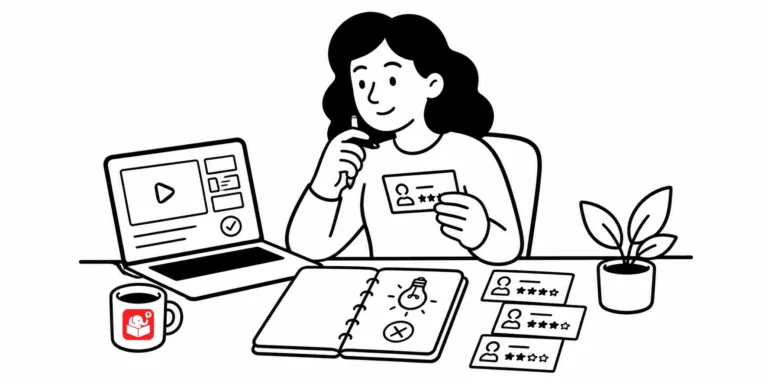
Most of us finish a course, hand it off, and move on. But what happens after launch matters more than most developers realize. Here are four things worth doing before you start the next project.
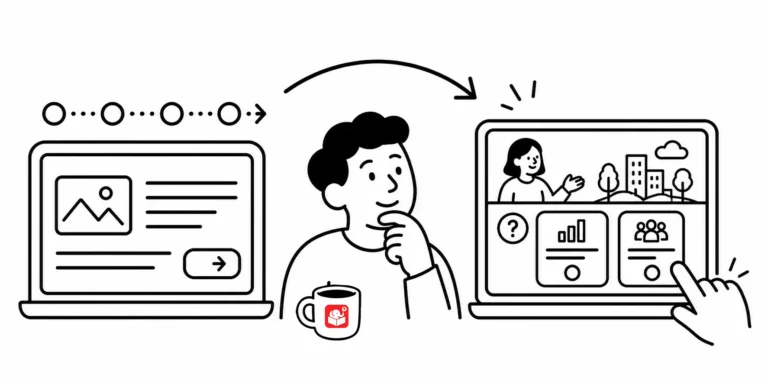
Making content interactive isn't the same as teaching people to make good decisions. Here's why so many e-learning courses stop short of the real work, and what it actually takes to build decision-making practice into your training.
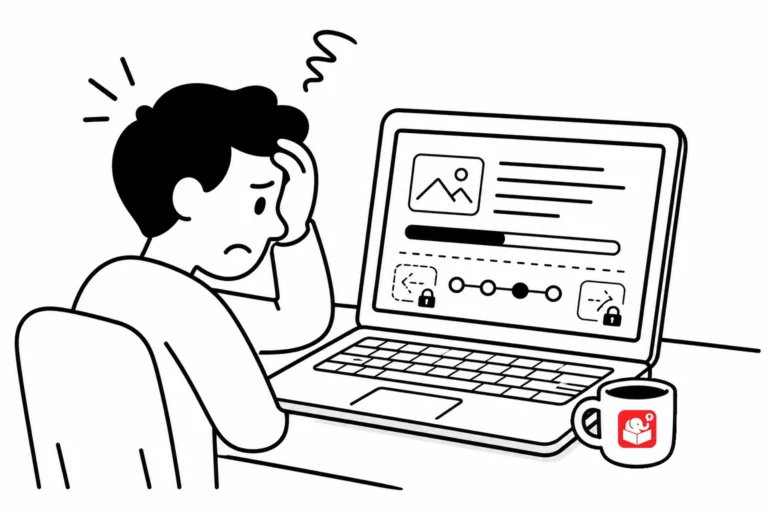
The instinct to lock every screen in a course is understandable. If learners can skip freely, how do you know they learned anything? The answer is in the assessment, not the navigation.
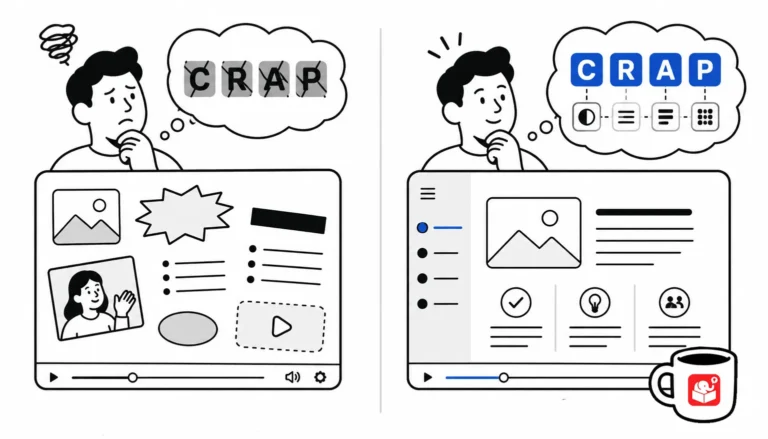
You don't need a design degree to build good-looking courses. You need four principles and the discipline to apply them.
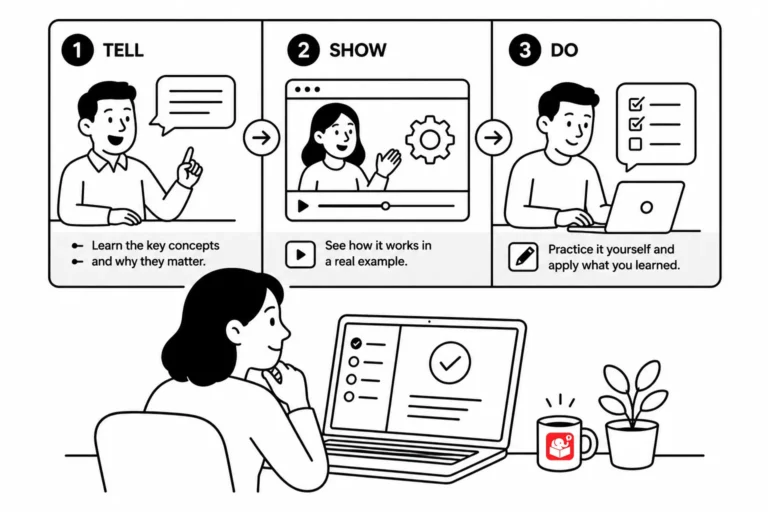
Three structured approaches that move learners from information to applied skill A lot of online courses are still mostly linear. That’s fine for annual compliance content with no real performance objective attached. But if you want real behavior change, you…
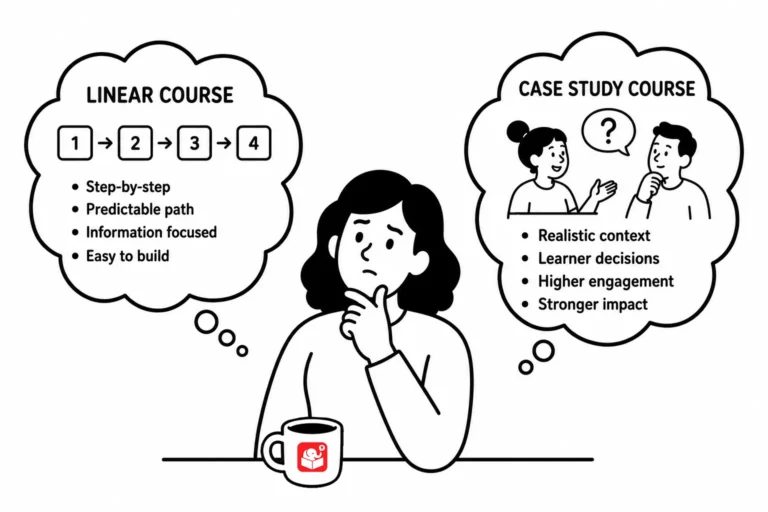
Skip the click-and-read information dump. Turn your content into a case study and build an e-learning course people actually remember.

Learn how to build a zoomable, interactive course using a single image and Storyline 360's zoom region feature. This tutorial walks you through the full process with a working example and free resources.
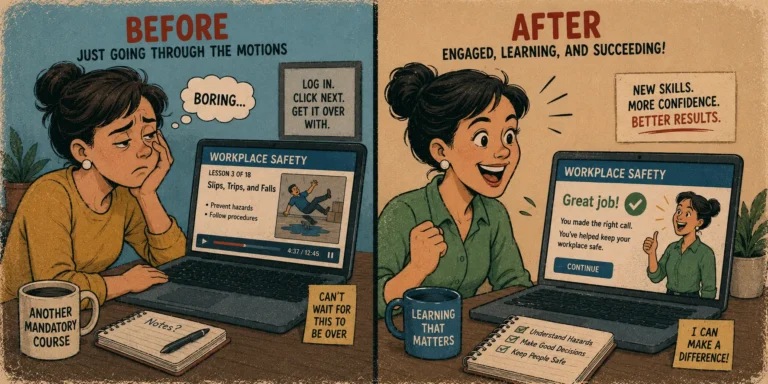
You can't force anyone to learn. But you can design a course that gives learners a real reason to try. Here's how to build motivation into your course from the start — before they ever click next.
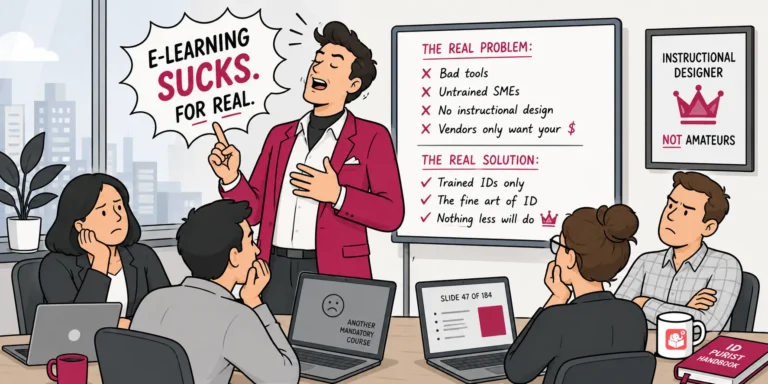
You've taken the course. You know the one. Three hours, a lot of slides, a quiz at the end, and nothing that changed how you do your job. Bad e-learning isn't new, and it's not caused by the tools designers use. This post gets into what actually drives it — and where AI fits into that honestly.

Most e-learning projects go sideways before the first slide is built. The problem usually isn't the design. It's what didn't get sorted out at the start. This post covers the discovery work that protects your project, and how to use AI in that process without ending up with content that sounds like it came from nowhere.
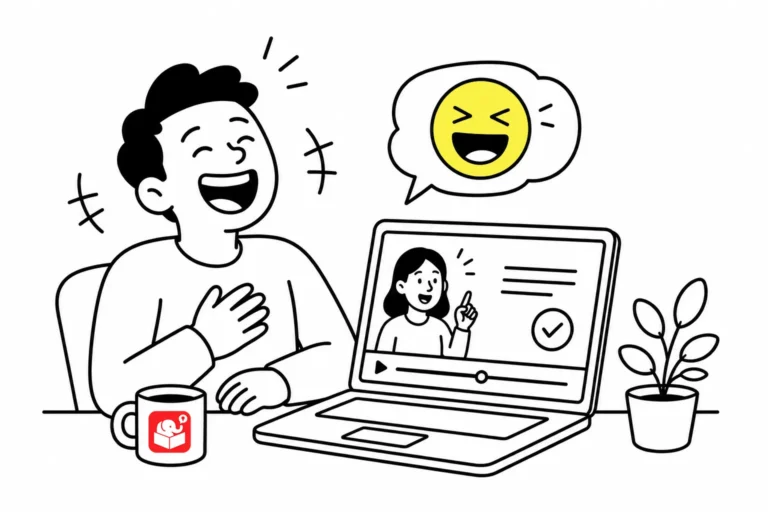
Leslie Robinson's comedy video about mandatory training went viral for a reason. The comment section turned into a catalog of every broken e-learning pattern. It's worth reading as a design checklist.

Your learners' brains have a built-in limit on how much they can process at once. When you design without that in mind, the course feels hard in the wrong way. Here's what cognitive load is and why it matters for the courses you build.

You can build a technically solid course and still miss the mark completely. It happens when you design based on what you think learners need instead of what they actually face. Here are eight things to watch for before you start building.
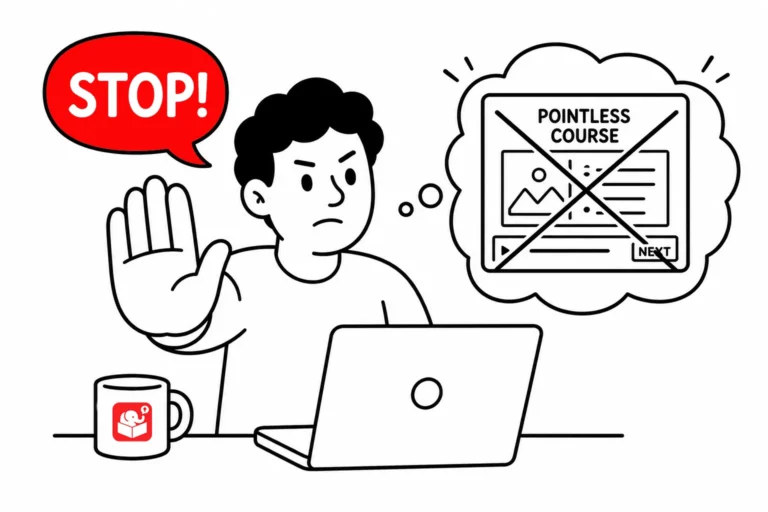
Every training request that comes in costs time and budget to fulfill. But not all of them actually need a course. Three strategies can help you do less without delivering less.
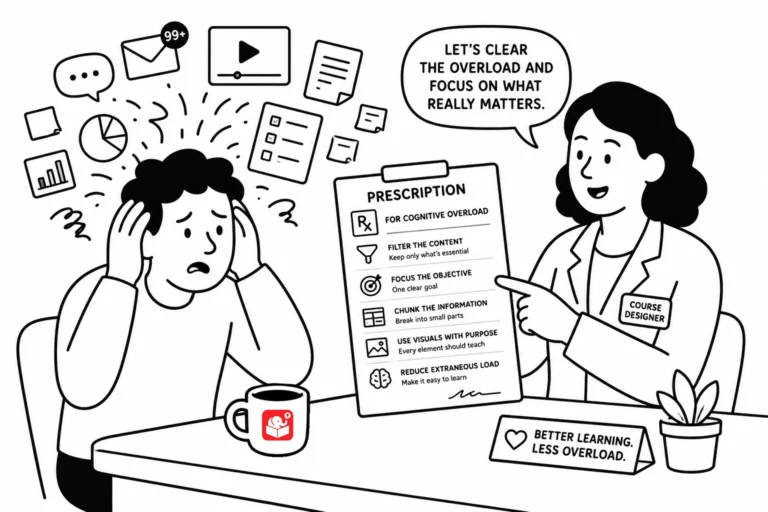
Good course design isn't about adding more. It's about removing the stuff that gets in the way of learning. Here are a few practical things to keep in mind when cognitive load is working against your learners.