Physical Address
304 North Cardinal St.
Dorchester Center, MA 02124
Physical Address
304 North Cardinal St.
Dorchester Center, MA 02124
Helpful ideas. Squeaky value.
Helpful ideas. Squeaky value.
Everything about creating online training and courses, from the thinking behind good instruction to the tools and tricks used to build it.
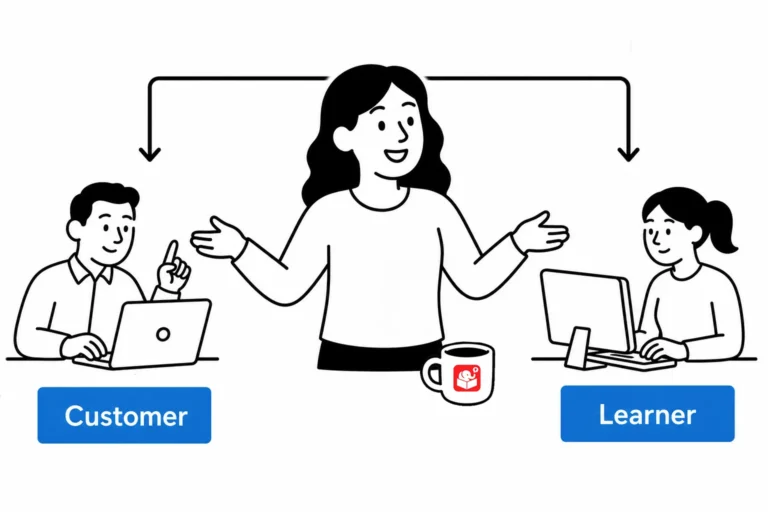
Most compliance courses feel pointless to the learner, even when the content matters. Here are three ways to frame that same content in a context people actually relate to, so it lands instead of getting tuned out.
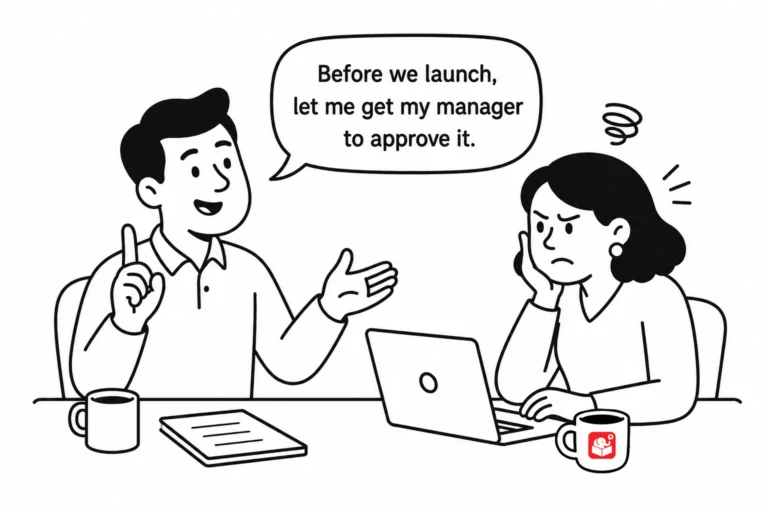
E-learning projects often derail right before launch, and it's rarely because of bad design. The real issue is that the final decision-maker wasn't involved until the end. This post shows you how to fix that before work begins.
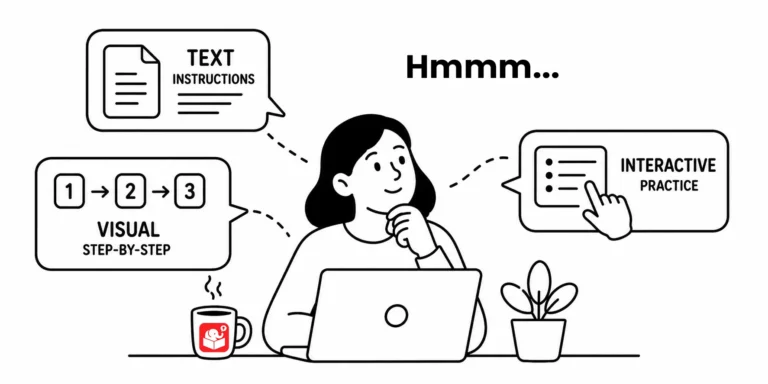
Some learners need explicit instructions. Others just want to jump in and figure it out. Here's how to decide whether to front-load instructions, deliver them at the point of need, or build them into a practice activity, and how that choice depends on your audience.
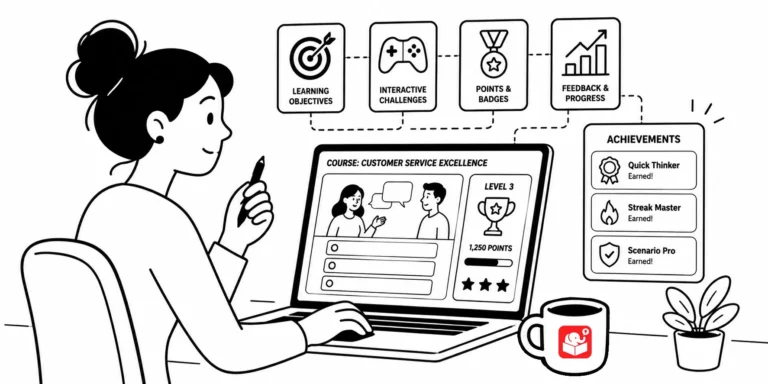
Gamification isn't just building a Jeopardy game. It's using game concepts like points, progress, and rewards to change how learners feel about a course, not just review facts at the end. Here's where to start, what you can build with variables, and a few examples to get your gears turning.
Come back to a Storyline project after six months and you'll see immediately whether your variable naming was thoughtful or rushed. Good names are easy to read at a glance. This post lays out a practical system for getting it right the first time.
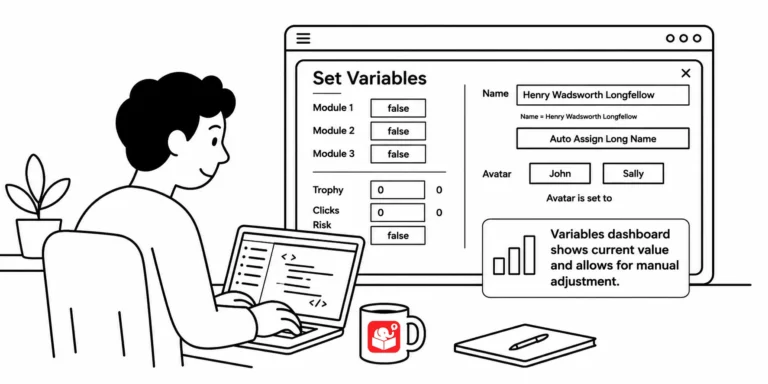
You've built a course with a dozen variables and need to test whether a specific trigger works on slide 20. That means clicking through every screen just to get there. A variables dashboard fixes that, and this post shows you how to build one.
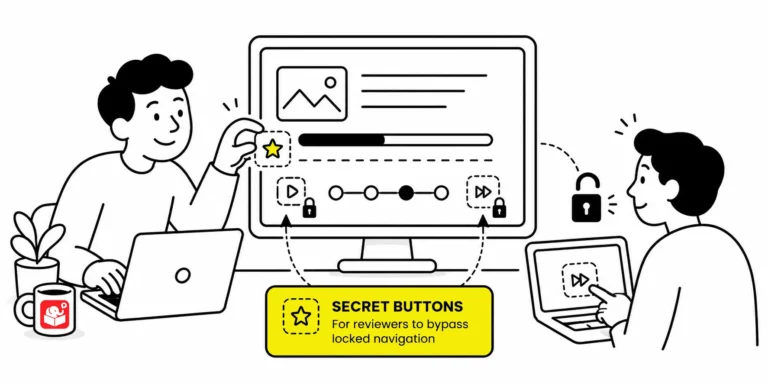
When a course locks every slide, reviewers must sit through narration and animations just to check one thing. That slows down feedback and makes troubleshooting painful. A hidden shortcut menu fixes it without affecting the published experience for learners.
Tired of right-clicking and saving images one at a time? Here are two quick tools that pull every image off a webpage in one shot, so you can grab on-brand visuals for your e-learning courses without the tedious clicking.
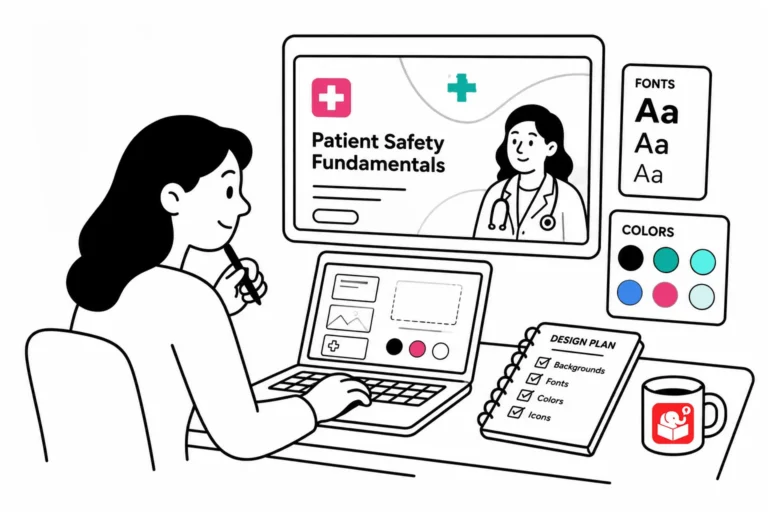
Wasting time hunting for the perfect elearning images? The problem isn't your search — it's letting random images drive your course design instead of planning the look first.
Most e-learning courses have natural pause points where learners need context before they move forward. Gate screens fill that role, and they show up in more courses than you might expect. Planning for them early makes the whole production process faster.
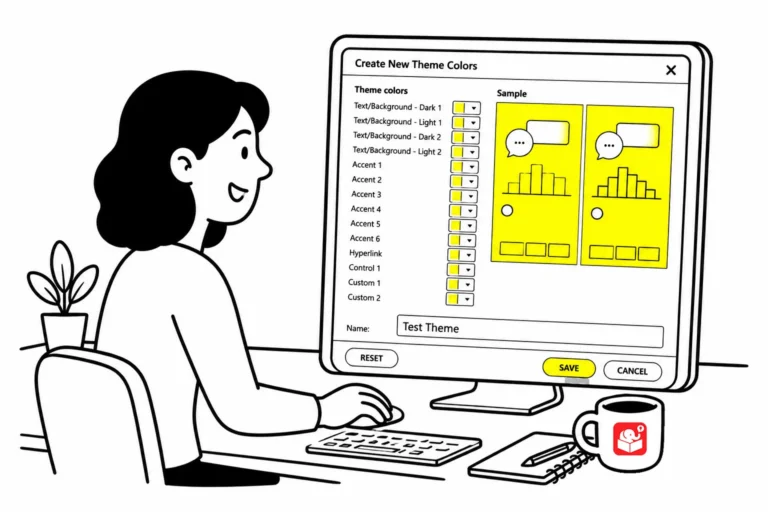
If you've ever updated a theme color and found that half your template didn't change, you've run into the custom color problem. This quick trick makes it easy to spot every object that isn't using a theme color before it becomes a real headache.

Working with subject matter experts can make or break your training project. Here are practical tips for setting clear expectations and managing the relationship so your project stays on track.

Strong e-learning careers are built on more than technical skill. The designers who last manage expectations, stay goal-focused, and tell the story of their work. Start with one or two of these habits and build from there.
Most course authors build linear slides and stop there. Variables let you collect learner input, evaluate decisions, and send learners down different paths. They're not as complicated as they sound, and this post shows you where to begin.
Here's an excerpt:
Learners can feel just as lost starting a new course as you do navigating a foreign train station. Here's how to set clear expectations, provide an orientation, and keep the experience consistent so your learners feel comfortable from the start.