Physical Address
304 North Cardinal St.
Dorchester Center, MA 02124
Physical Address
304 North Cardinal St.
Dorchester Center, MA 02124
Helpful ideas. Squeaky value.
Helpful ideas. Squeaky value.
Everything about creating online training and courses, from the thinking behind good instruction to the tools and tricks used to build it.
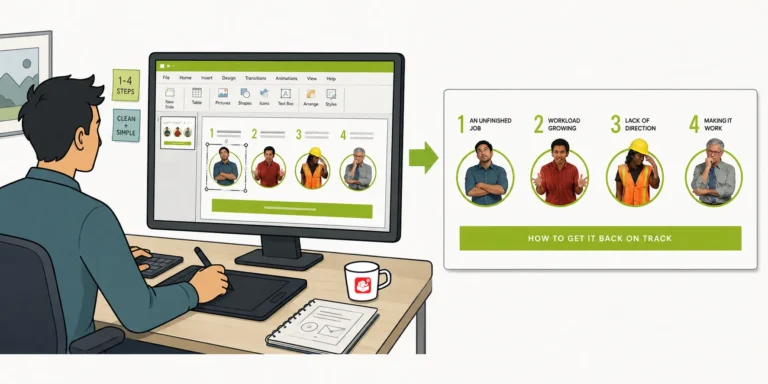
After sharing a Rise interactive scenario demo, I got a lot of questions about how the graphics were built. The headers, flashcard images, and character graphics all came from PowerPoint. This post walks through the exact workflow, including how to set slide sizes and export images for Rise blocks.
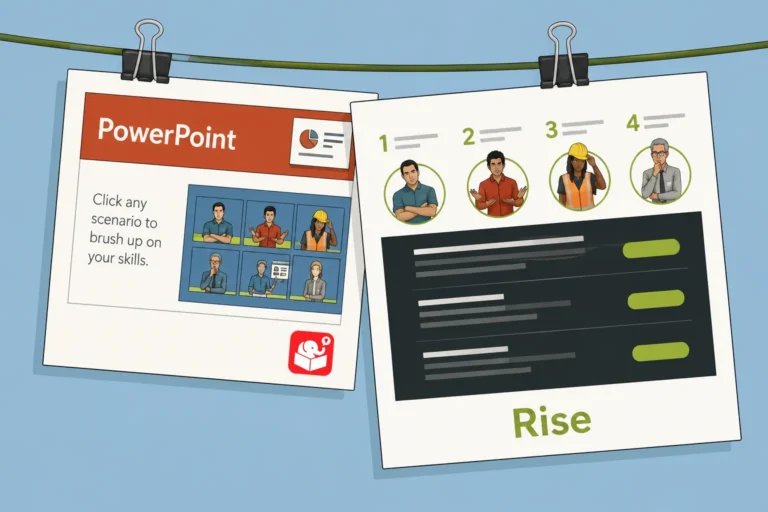
Older PowerPoint scenarios can be hard to manage and even harder to update. Rise offers a cleaner alternative that's fully responsive and easier to maintain. This post walks through one conversion, from planning the interaction design to working around Rise's constraints.
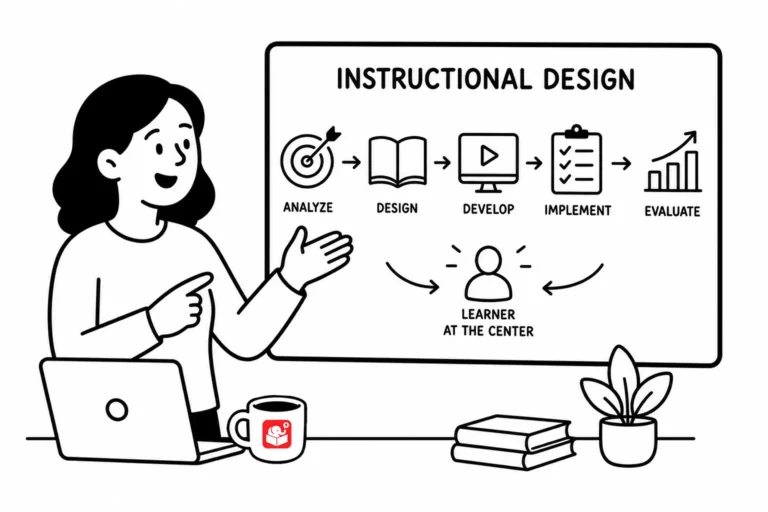
Someone emailed me a question I've been asked a lot: what is the role of the instructional designer, and how do you explain it to clients and SMEs? An awareness test video I stumbled across does a better job answering that question than any explanation I could write.
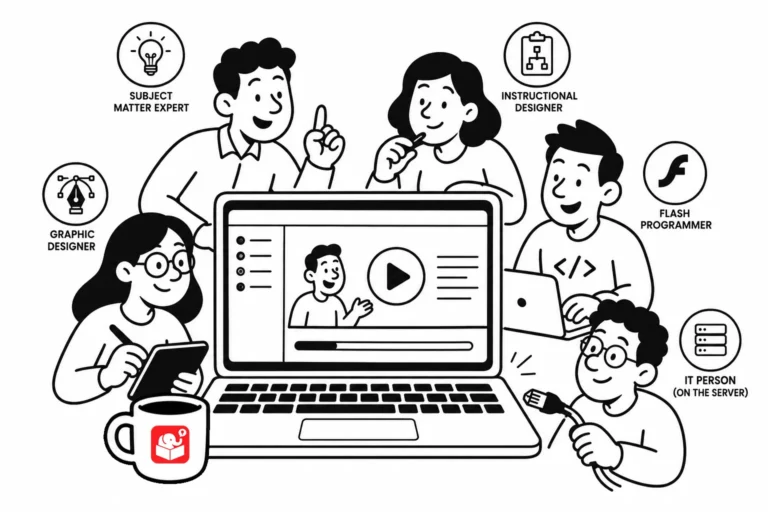
Great e-learning doesn't happen in a vacuum. Even the most independent developer relies on a network of people to deliver a course that works. Here's a breakdown of who those people are and what they each bring to the project.
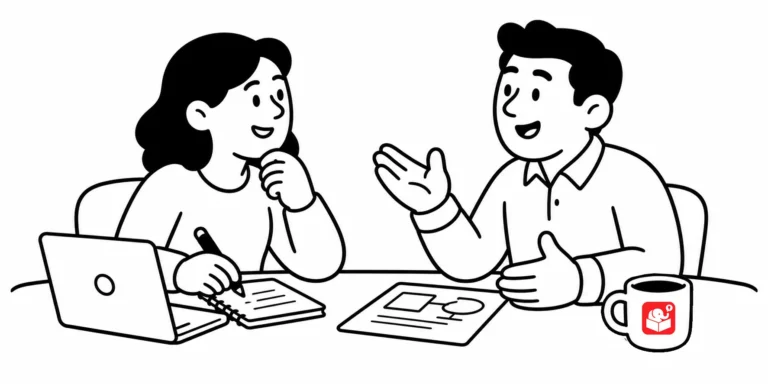
Most course developers struggle to get what they need from subject matter experts. It's not a content problem — it's a relationship problem. Here's how to fix it before the project goes sideways.
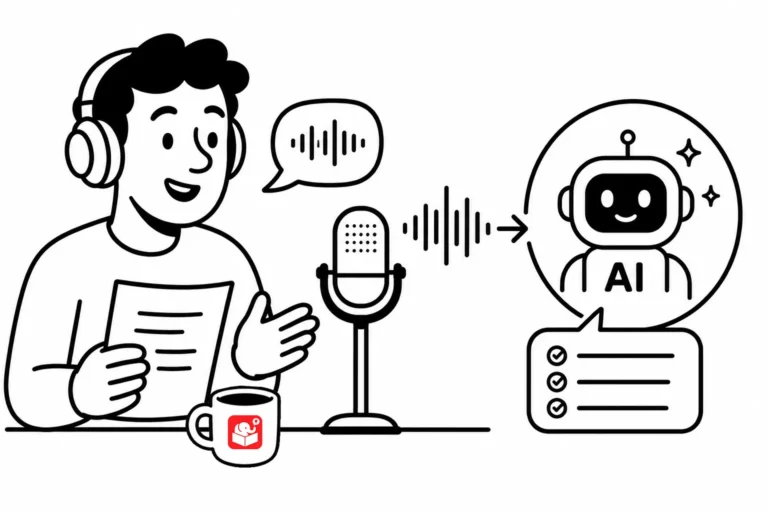
AI voices have gotten so good that most course developers skip the debate entirely and just use them. But there are still situations where a real human narrator is worth the cost. Here's how to think through the decision.
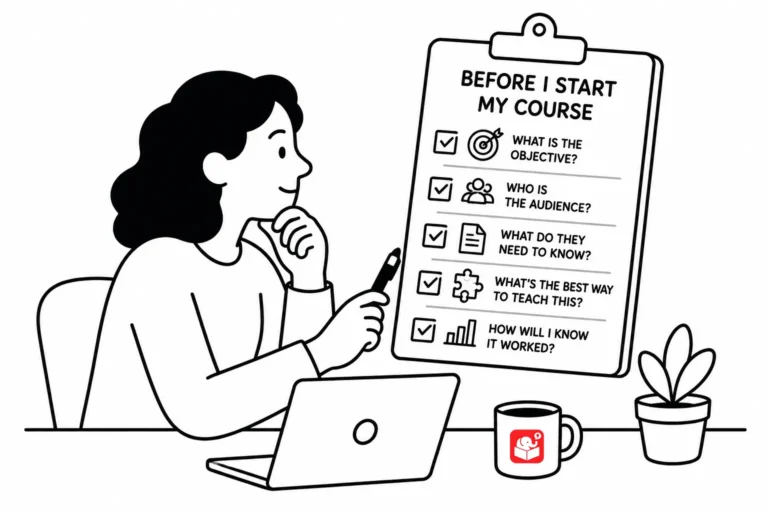
Before you build anything, there are a handful of questions worth asking. Getting clear on them upfront saves a lot of rework later.
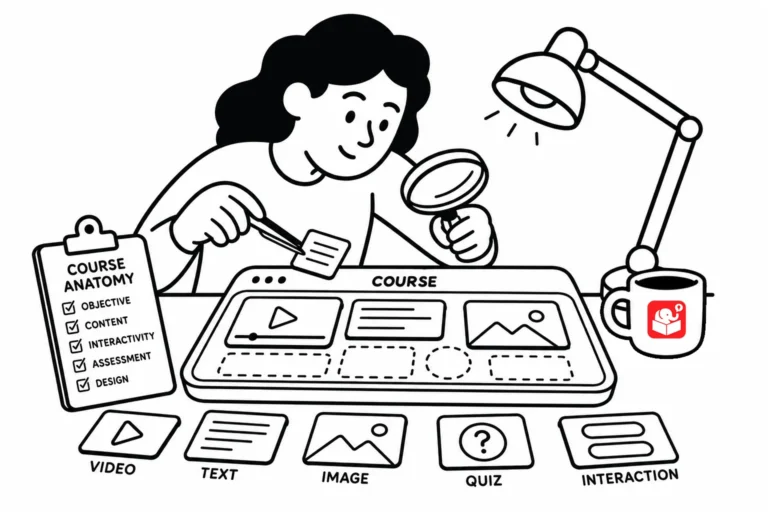
The fastest way to level up your e-learning design is to pick a course you admire, take it apart, and try to build it. This post covers why that works and what you learn in the process.
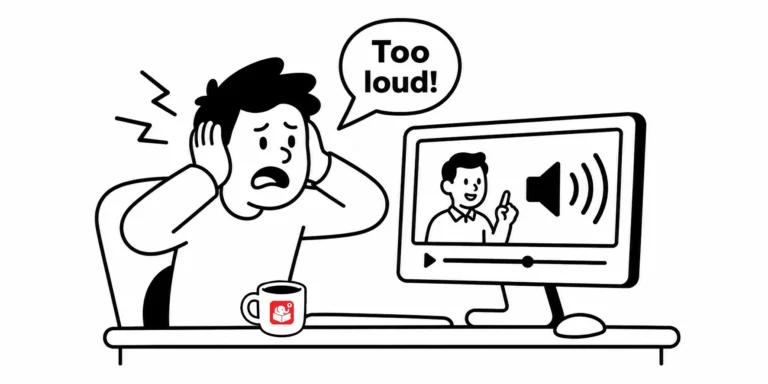
Ask whether the audio choices, or the silence, match the context and the content. If you're building a scenario-based course, try adding ambient audio to one scene and see how it feels. Sound is a design choice like any other. Make it on purpose.
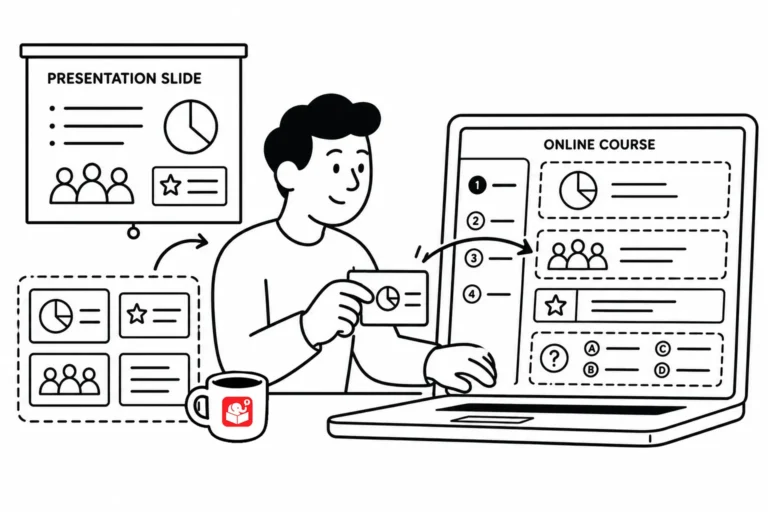
A cluttered screen doesn't just look bad. It makes learning harder. Here's what a famous comparison between two presentation styles can teach you about designing e-learning courses.
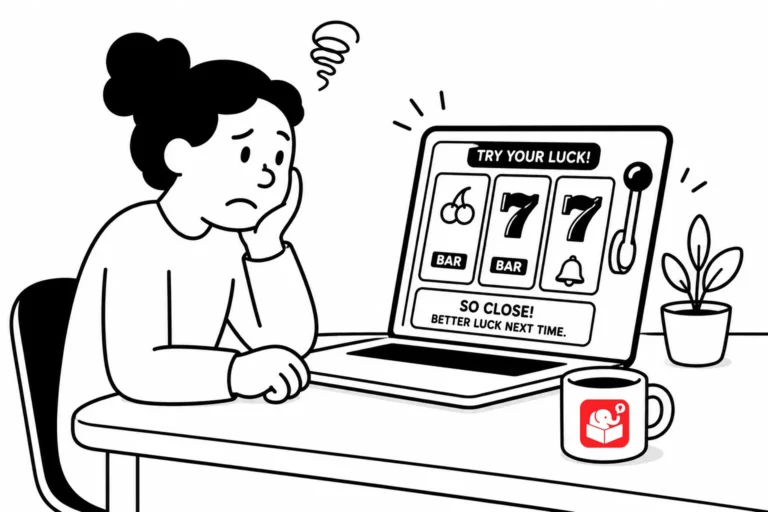
Slot machines pay out 90% of what you put in, and people still lose everything because they keep playing. That near-miss mechanic is a masterclass in sustained engagement. Your e-learning can do something similar, without the gambling debt.
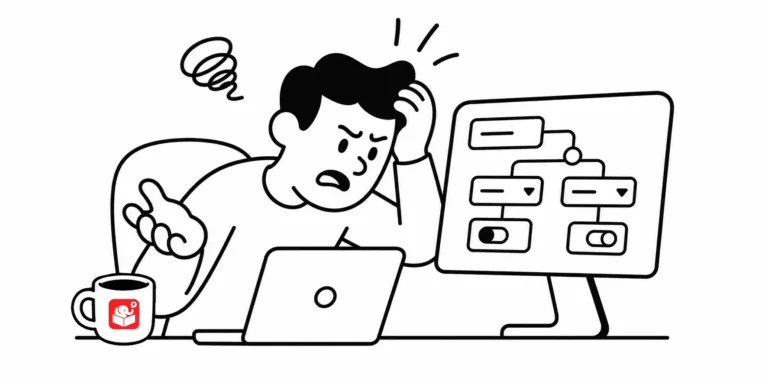
A lot of e-learning developers avoid variables because the terminology sounds technical. The underlying logic is actually simple. Once you see the pattern, you'll find uses for variables in almost every course you build.

Originally published: January 16, 2018 Original URL: Emojis are basically modern-day hieroglyphics. Picture archaeologists thousands of years from now spending years digging up old emoji messages, then more years trying to figure out what they mean — only to…
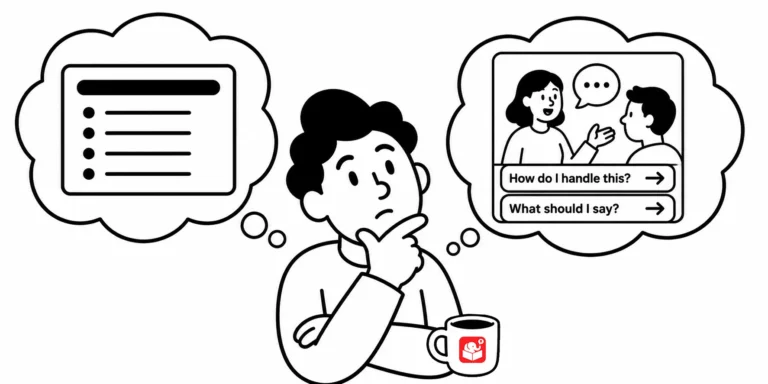
When e-learning developers say they want more engaging courses, they usually mean more branching. But navigation type has almost nothing to do with engagement. What actually matters is whether the content connects to the learner's real world.
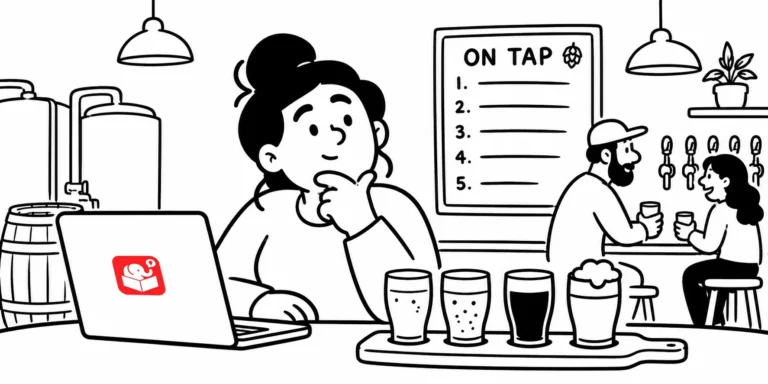
Most e-learning gets judged by how interactive it is or what tool built it. That's like judging a beer by its ABV. Different courses solve different problems, and the right one for the job is the best one.