Physical Address
304 North Cardinal St.
Dorchester Center, MA 02124
Physical Address
304 North Cardinal St.
Dorchester Center, MA 02124
Helpful ideas. Squeaky value.
Helpful ideas. Squeaky value.
The theory behind good instruction — how people learn, what makes training actually work, and the thinking behind course decisions.
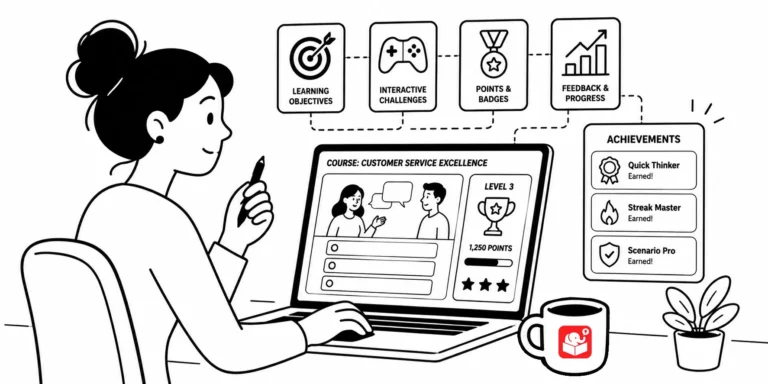
Gamification isn't just building a Jeopardy game. It's using game concepts like points, progress, and rewards to change how learners feel about a course, not just review facts at the end. Here's where to start, what you can build with variables, and a few examples to get your gears turning.
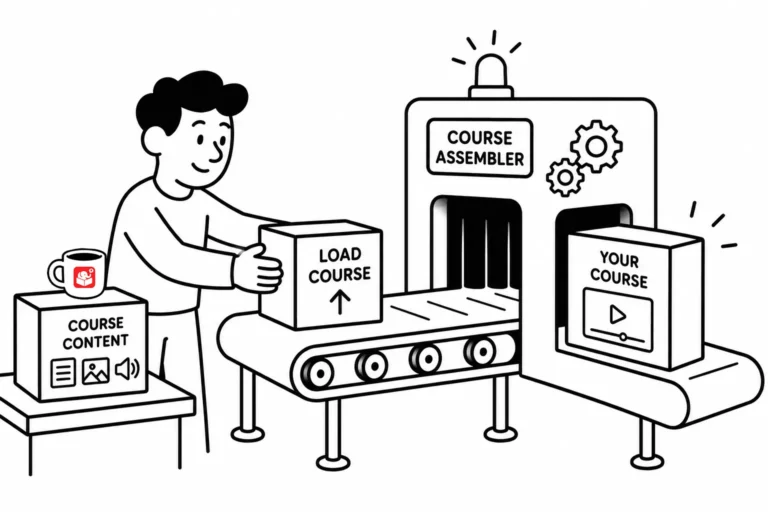
There's a pattern that shows up in almost every e-learning course. It follows objectives, content, and a quiz, then repeats. That structure works sometimes, but it often leaves a gap between what learners see and what they need to do.

Most compliance training is designed around assumptions about what regulations require, not what the regulations actually say. Here's how to build something better.

Last week I had a kidney infection that almost put me out for good. Stuck in bed with nothing to do but think, I reflected on three things about how people learn. They changed how I approach every course I build.
When a course has nothing to do with what learners face at work, they disengage. Building engagement isn't about adding more interactivity. It's about making the content matter.

A manager once told me the people who designed his company's e-learning were "e-learning fascists." He wasn't wrong. Locking navigation doesn't solve the underlying problem. Here's what does.
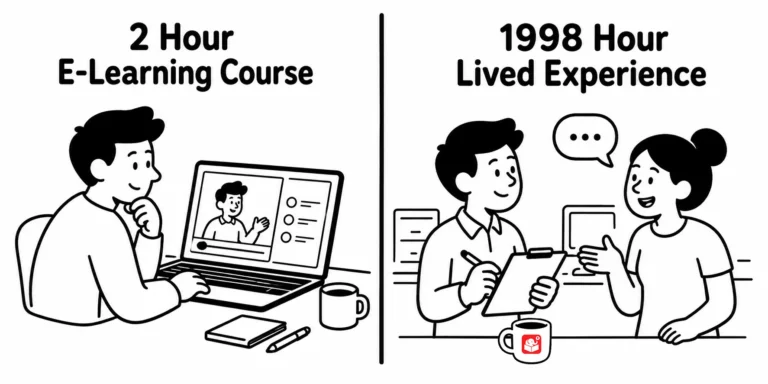
Most e-learning is built as a one-shot event. The problem is that people learn constantly, not just when they're in a course. Here's how to build a strategy that works with those 2000 learning hours.
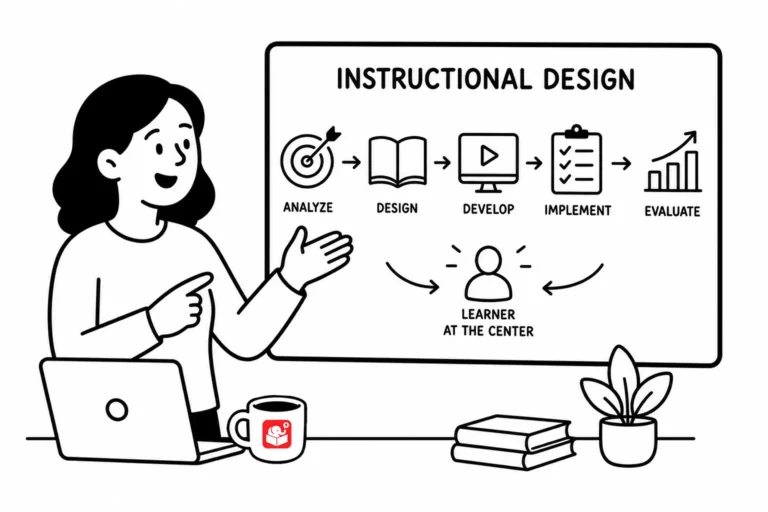
Someone emailed me a question I've been asked a lot: what is the role of the instructional designer, and how do you explain it to clients and SMEs? An awareness test video I stumbled across does a better job answering that question than any explanation I could write.
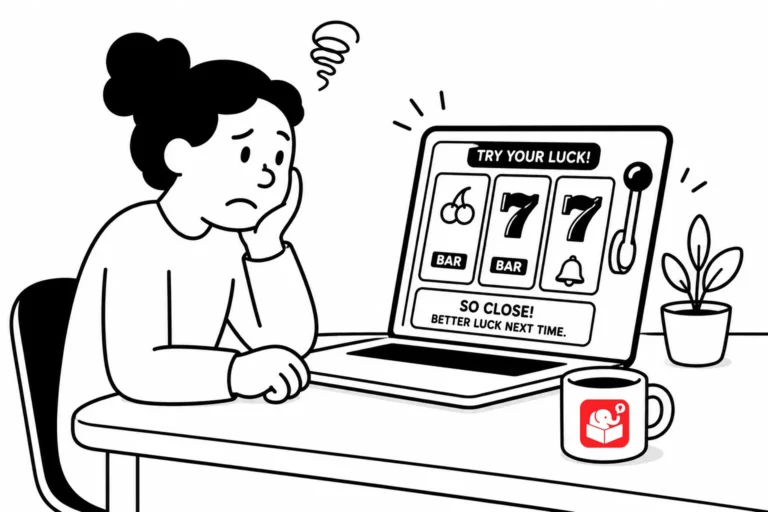
Slot machines pay out 90% of what you put in, and people still lose everything because they keep playing. That near-miss mechanic is a masterclass in sustained engagement. Your e-learning can do something similar, without the gambling debt.
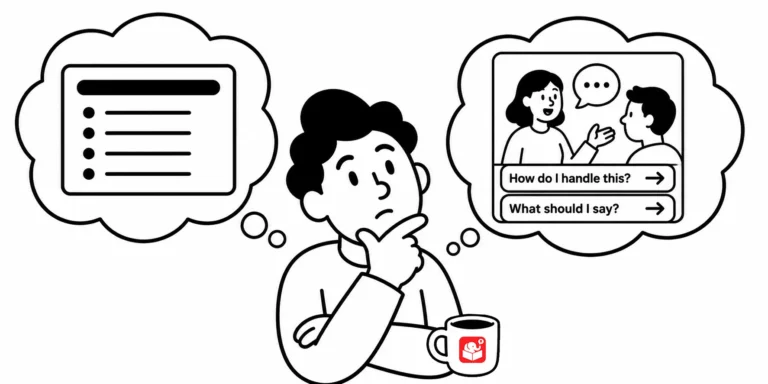
When e-learning developers say they want more engaging courses, they usually mean more branching. But navigation type has almost nothing to do with engagement. What actually matters is whether the content connects to the learner's real world.

People keep hunting for the right software feature to build their interaction, but the fix isn't a better tool. Here's the 3C model for building interactivity with whatever features you already have, plus a few ways to bend common interactions like flash cards and tabs to do more than they were built for.

Dialogue is one of the most powerful learning tools we have. But most e-learning courses skip it entirely. Here are three ways to add real conversation to your next course.