Physical Address
304 North Cardinal St.
Dorchester Center, MA 02124
Physical Address
304 North Cardinal St.
Dorchester Center, MA 02124
Helpful ideas. Squeaky value.
Helpful ideas. Squeaky value.
The theory behind good instruction — how people learn, what makes training actually work, and the thinking behind course decisions.
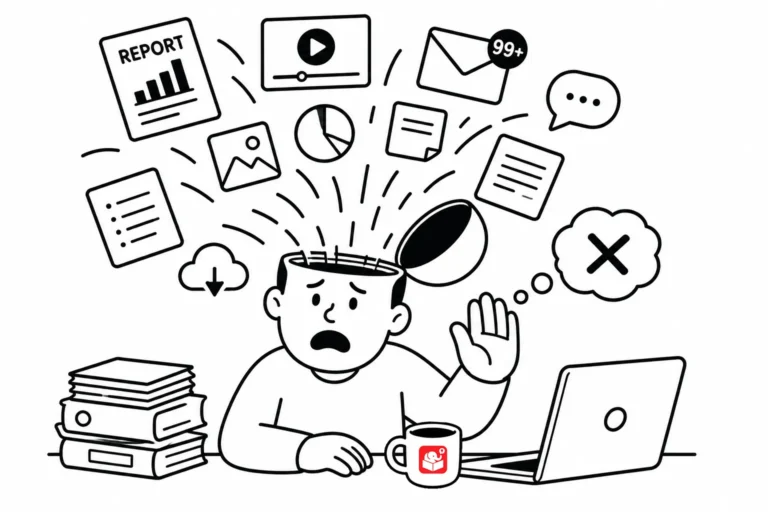
Your learners' brains have a built-in limit on how much they can process at once. When you design without that in mind, the course feels hard in the wrong way. Here's what cognitive load is and why it matters for the courses you build.
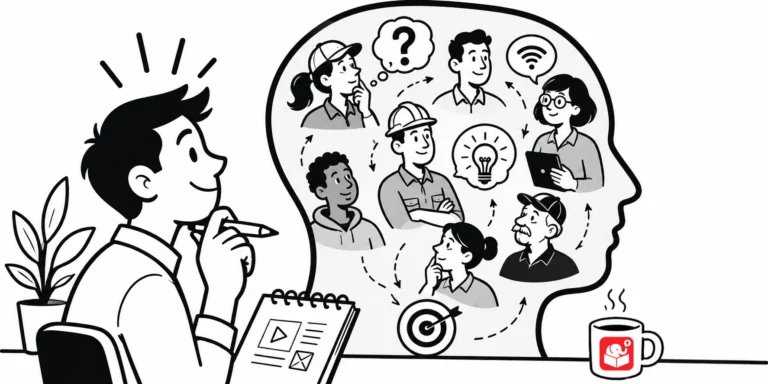
You can build a technically solid course and still miss the mark completely. It happens when you design based on what you think learners need instead of what they actually face. Here are eight things to watch for before you start building.
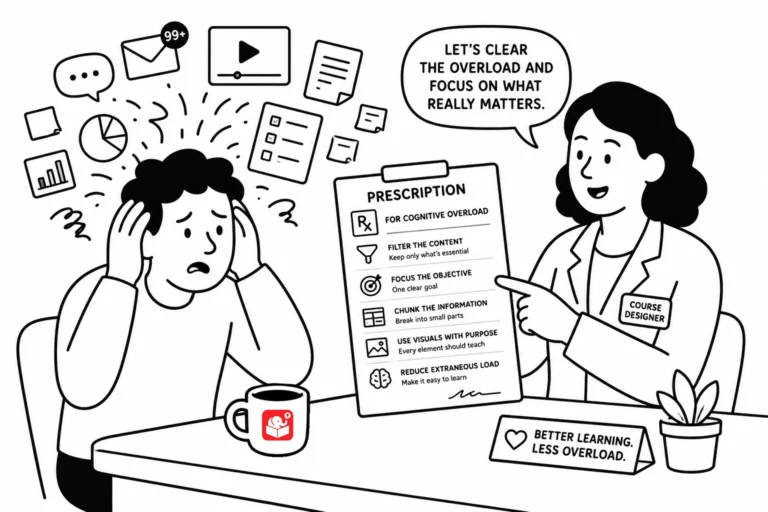
Good course design isn't about adding more. It's about removing the stuff that gets in the way of learning. Here are a few practical things to keep in mind when cognitive load is working against your learners.

Good content isn't enough to keep learners engaged. This post breaks down why motivation drops and gives you five practical ways to build it back in, plus a clear look at where AI fits into the process.

A lot of e-learning looks like training but doesn't work like training. If you want people to actually do something differently after the course, you have to build for that from the start. Here's how.
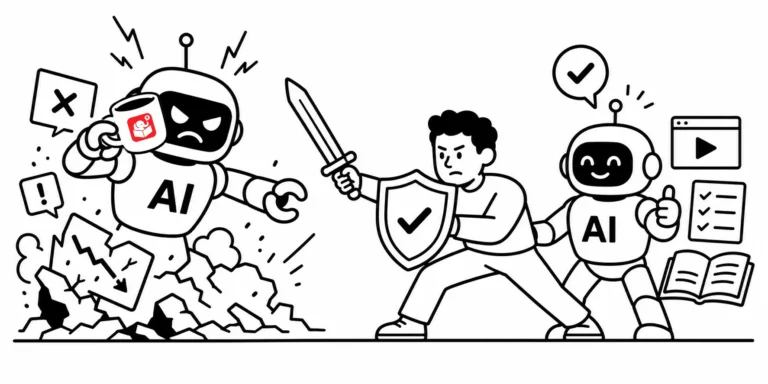
AI can do a lot of things faster than you can. That doesn't mean the results are always worth using. Here's an honest look at where AI actually helps in e-learning development — and where it creates the illusion of progress without the substance to back it up.
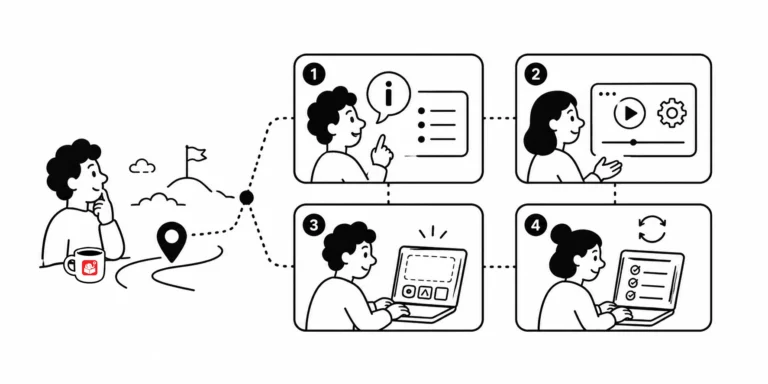
Most e-learning stops at content delivery. The Tell, Show, Do model helps steer courses toward action, but the real gains come from adding deliberate practice and structured review. Each stage builds on the last, giving you a stronger framework for course design.
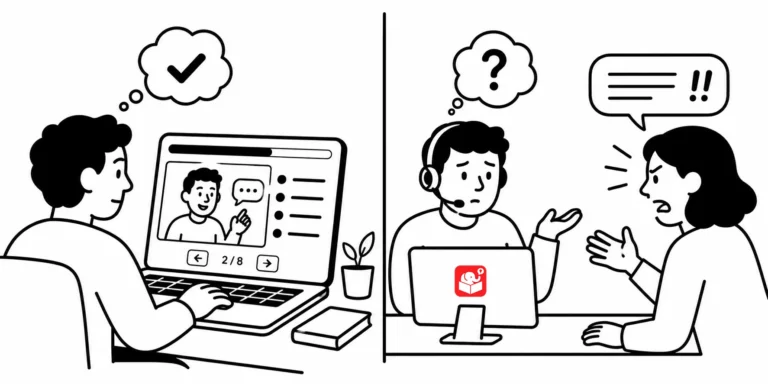
Most organizations treat the e-learning course like the training program. It isn't. People learn all year long, through experience, peers, managers, and yes, the occasional course. Here's how to think about where e-learning fits in that larger picture.
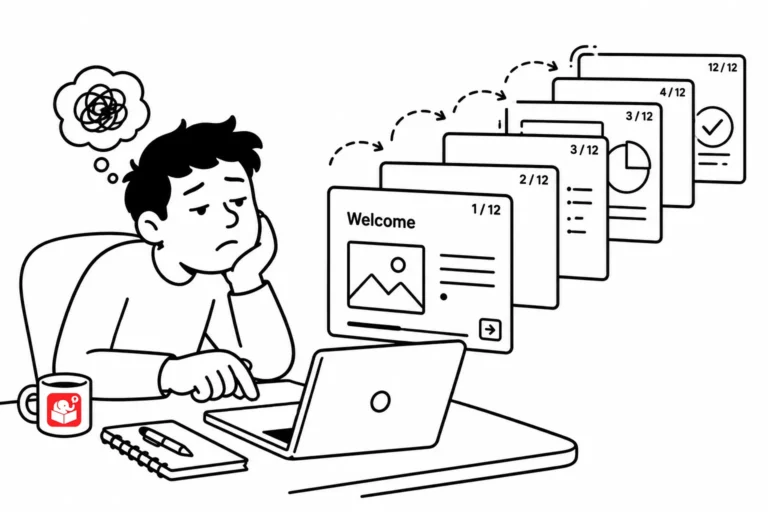
Most e-learning pushes content and calls it training, even when nobody can demonstrate anything different afterward. Here's why content alone isn't a course, and how to push back when someone hands you a slide deck and asks you to turn it into one.
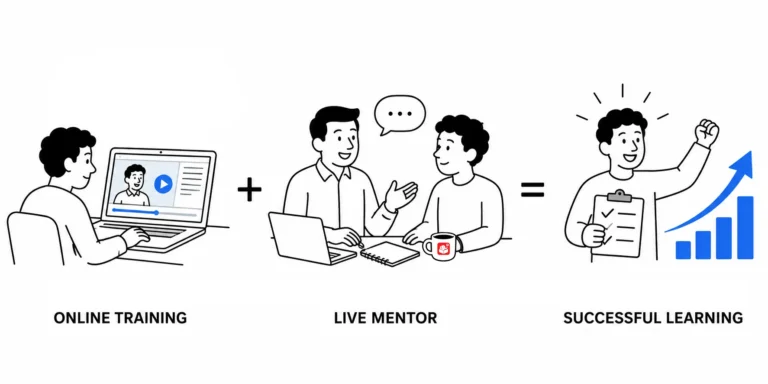
A new employee can absorb theory from a course, but real competence comes from doing the work. Pairing e-learning with peer coaching gives you a complete training system. A learning journal is the tool that connects both.
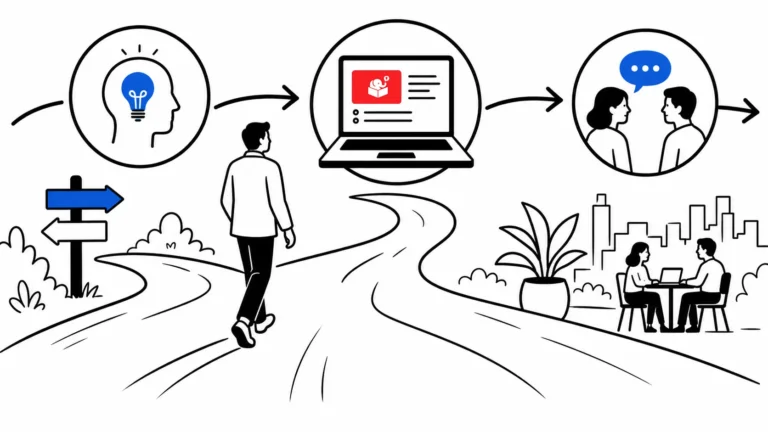
Most e-learning courses treat the course as the finish line. But learning happens before and after the course, too. Here's how to think about all three phases so your course actually produces results.
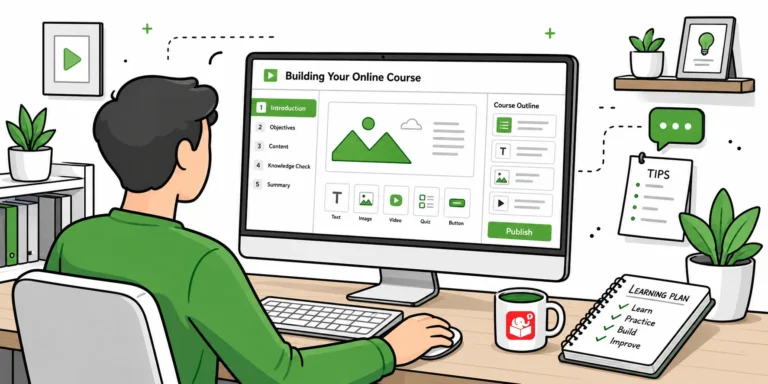
New e-learning developers often expect to get good quickly. But your first course won't be your best, and that's completely fine. Here's what actually matters if you want to improve and build your skills the right way.
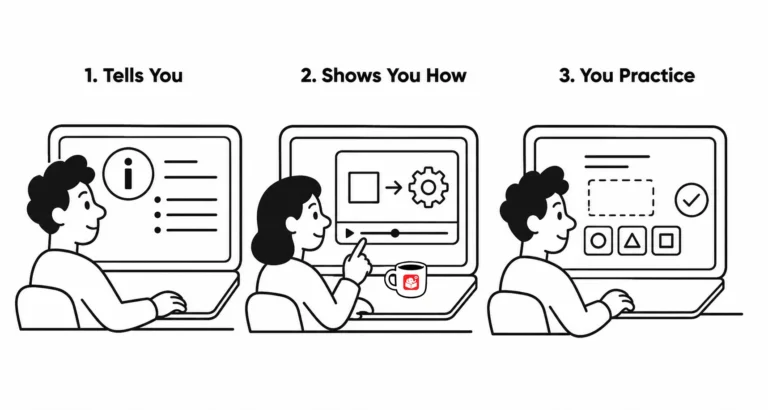
Here’s a common scenario: you’re ten minutes into an e-learning course. You’ve clicked through eight slides. Yet, you have no idea what you’re supposed to do differently when you’re done. The reason this happens is because most courses are explainer…
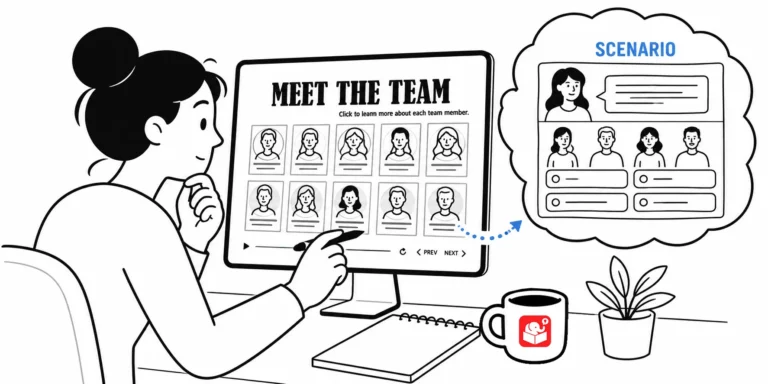
Most e-learning developers avoid gamification because it feels too complex to build quickly. But you can take a template you already have and add just a few interactive elements to change the experience entirely. Here's how a simple meet-the-team template became a decision-making challenge.
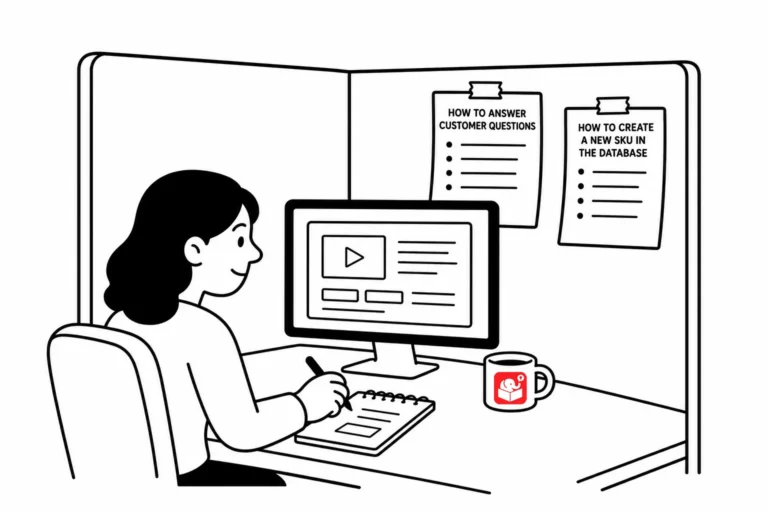
Employees kept building their own cheat sheets that did more good than months of formal training. Here's what that says about how much content actually belongs in a course, and a simple test to figure out what to keep.