
Instructional Design
-
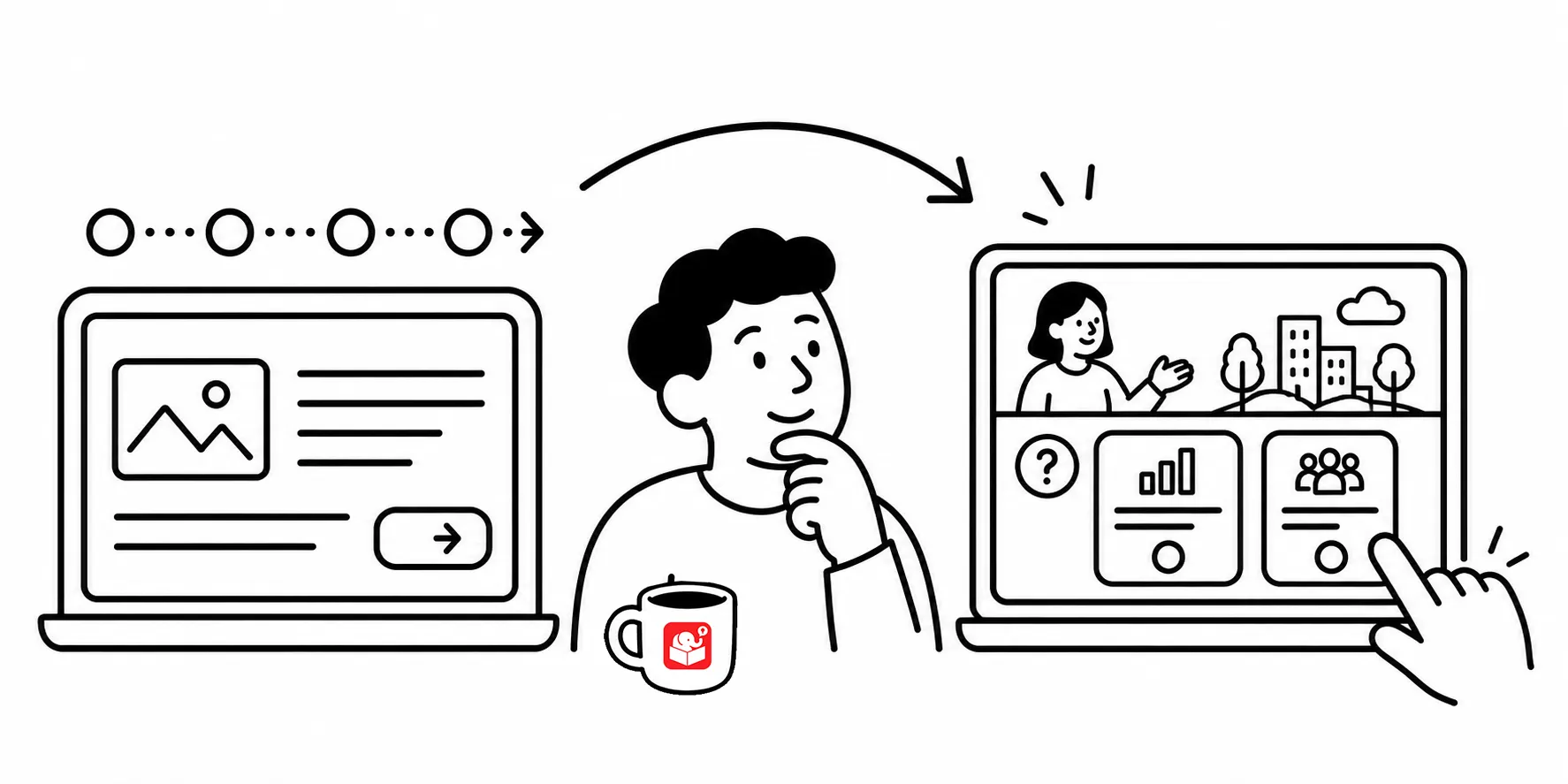
The Missing Piece in Most E-Learning Courses
Making content interactive isn’t the same as teaching people to make good decisions. Here’s why so many e-learning courses stop short of…
-
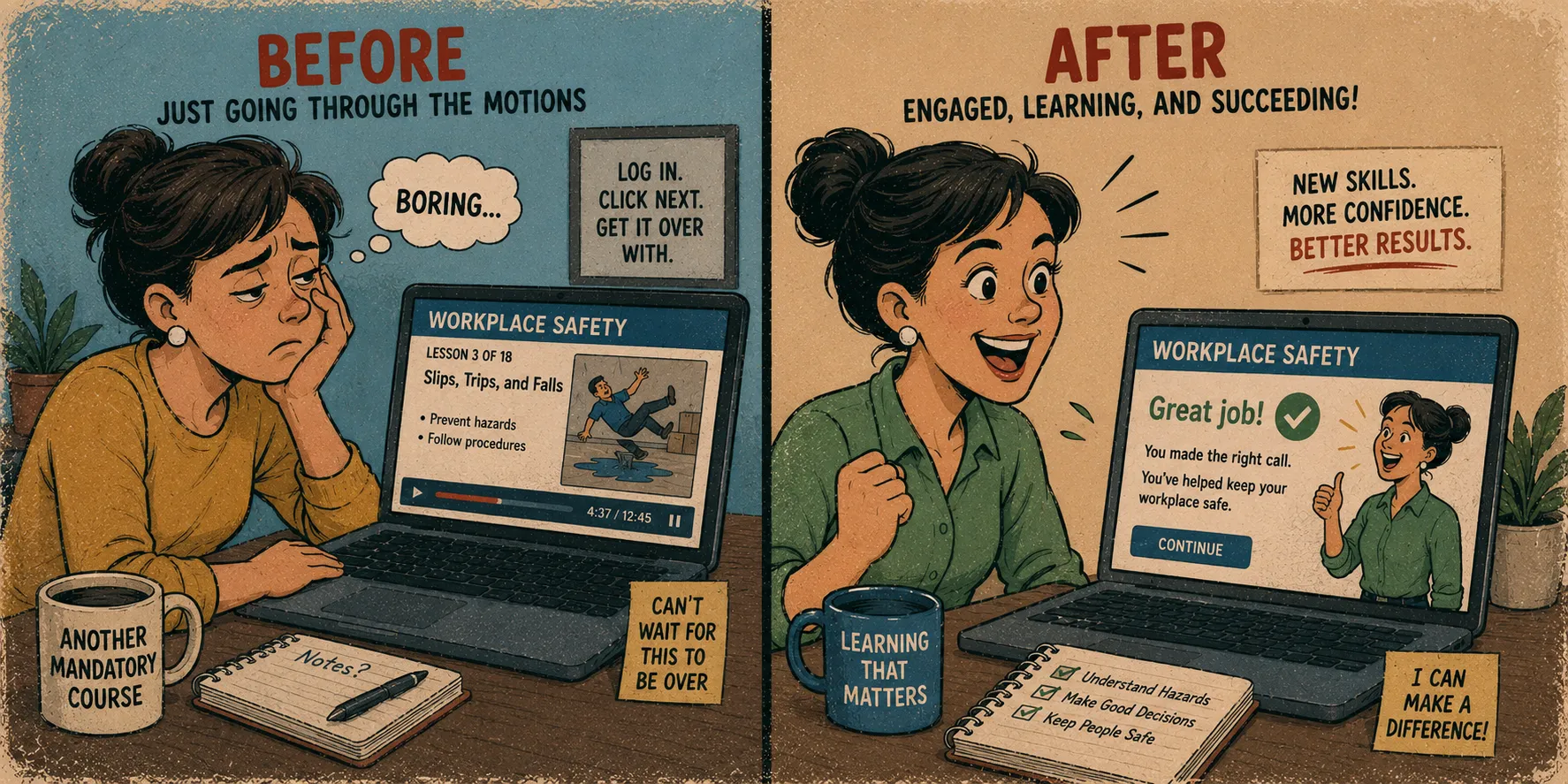
How to Build E-Learning Courses People Actually Want to Complete
You can’t force anyone to learn. But you can design a course that gives learners a real reason to try. Here’s how…
-

What Every E-Learning Designer Needs to Know About Cognitive Load
Your learners’ brains have a built-in limit on how much they can process at once. When you design without that in mind,…
-
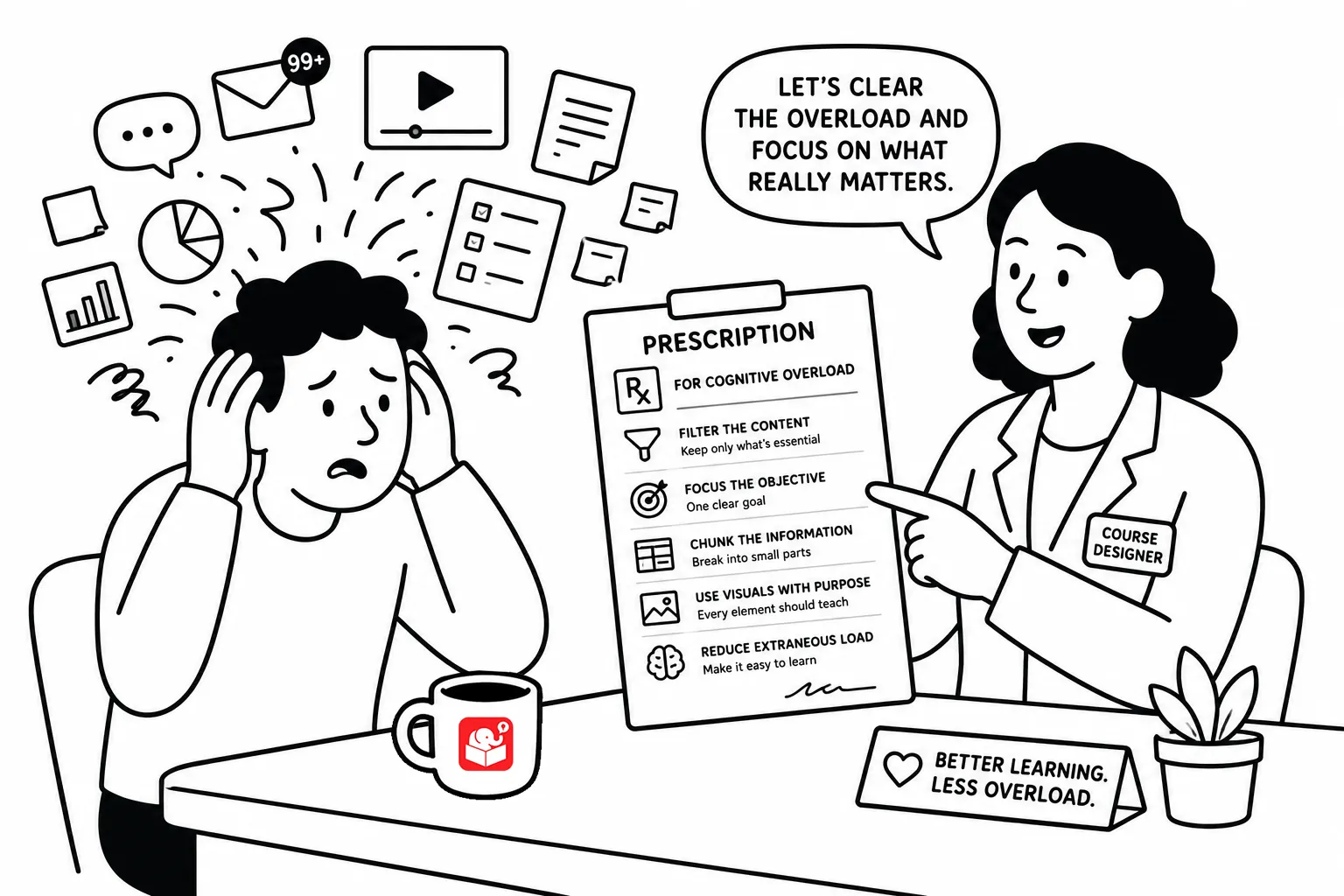
Simple Ways to Reduce Cognitive Load in Your E-Learning Courses
Good course design isn’t about adding more. It’s about removing the stuff that gets in the way of learning. Here are a…
-
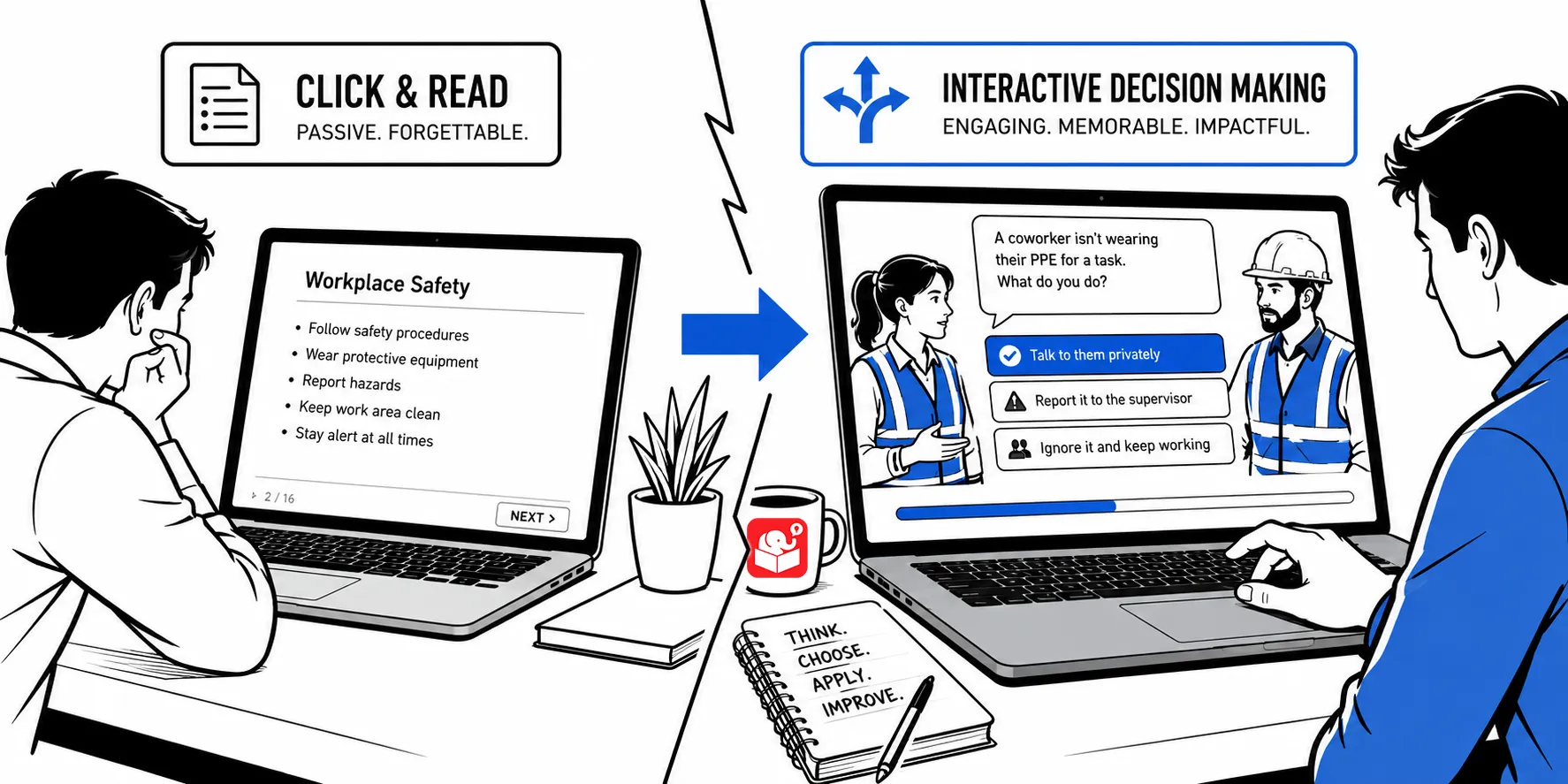
The 3C Model for Building Better E-Learning Scenarios
Most e-learning courses push information and call it training. The 3C model exists to fix that. It’s a simple structure for building…
-

Why Learners Stop Paying Attention And How To Fix It
Good content isn’t enough to keep learners engaged. This post breaks down why motivation drops and gives you five practical ways to…
-
Stop Building Courses That Just Deliver Content
A lot of e-learning looks like training but doesn’t work like training. If you want people to actually do something differently after…
-
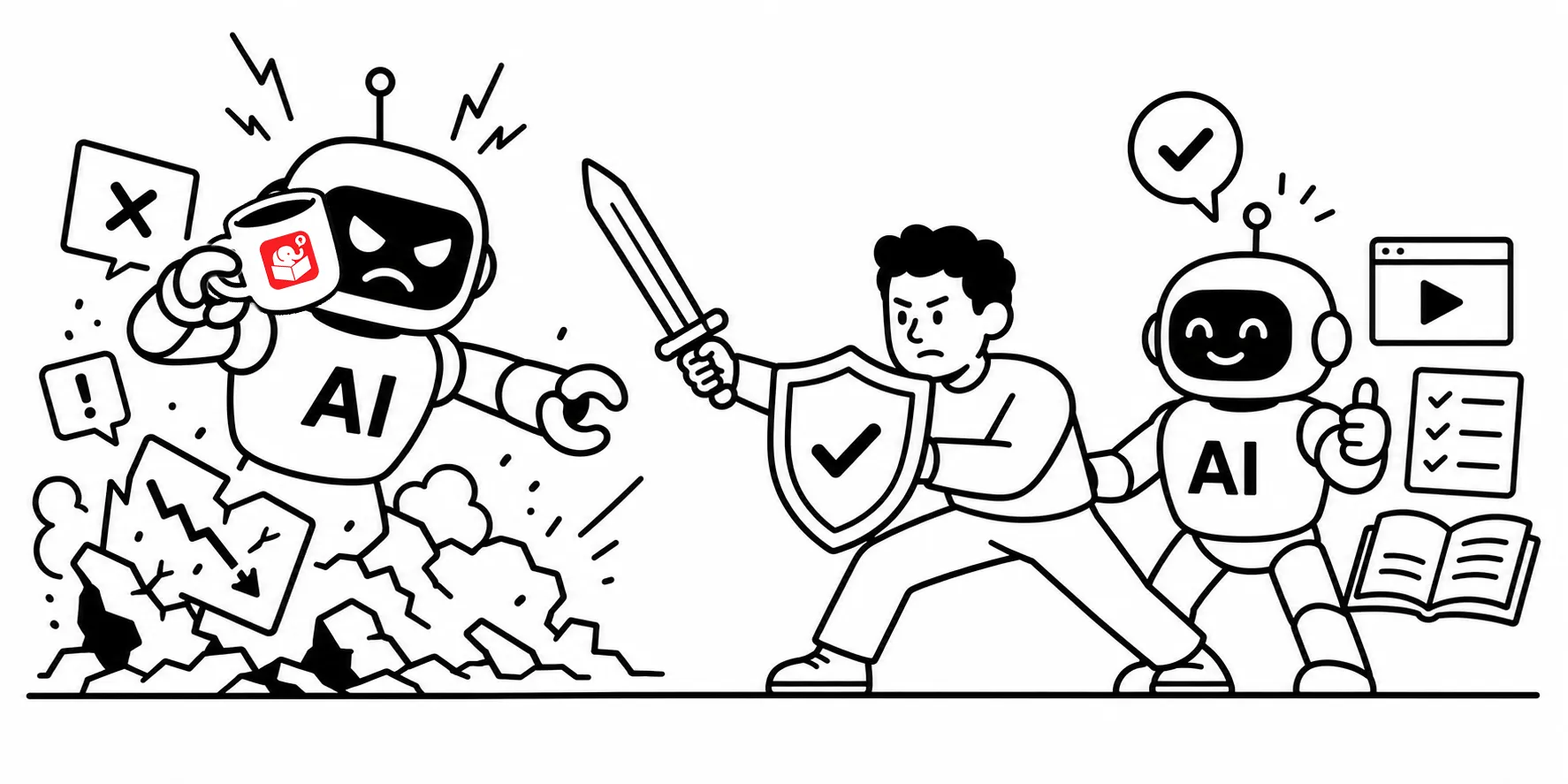
What AI Can and Can’t Do for Your E-Learning
AI can do a lot of things faster than you can. That doesn’t mean the results are always worth using. Here’s an…
-
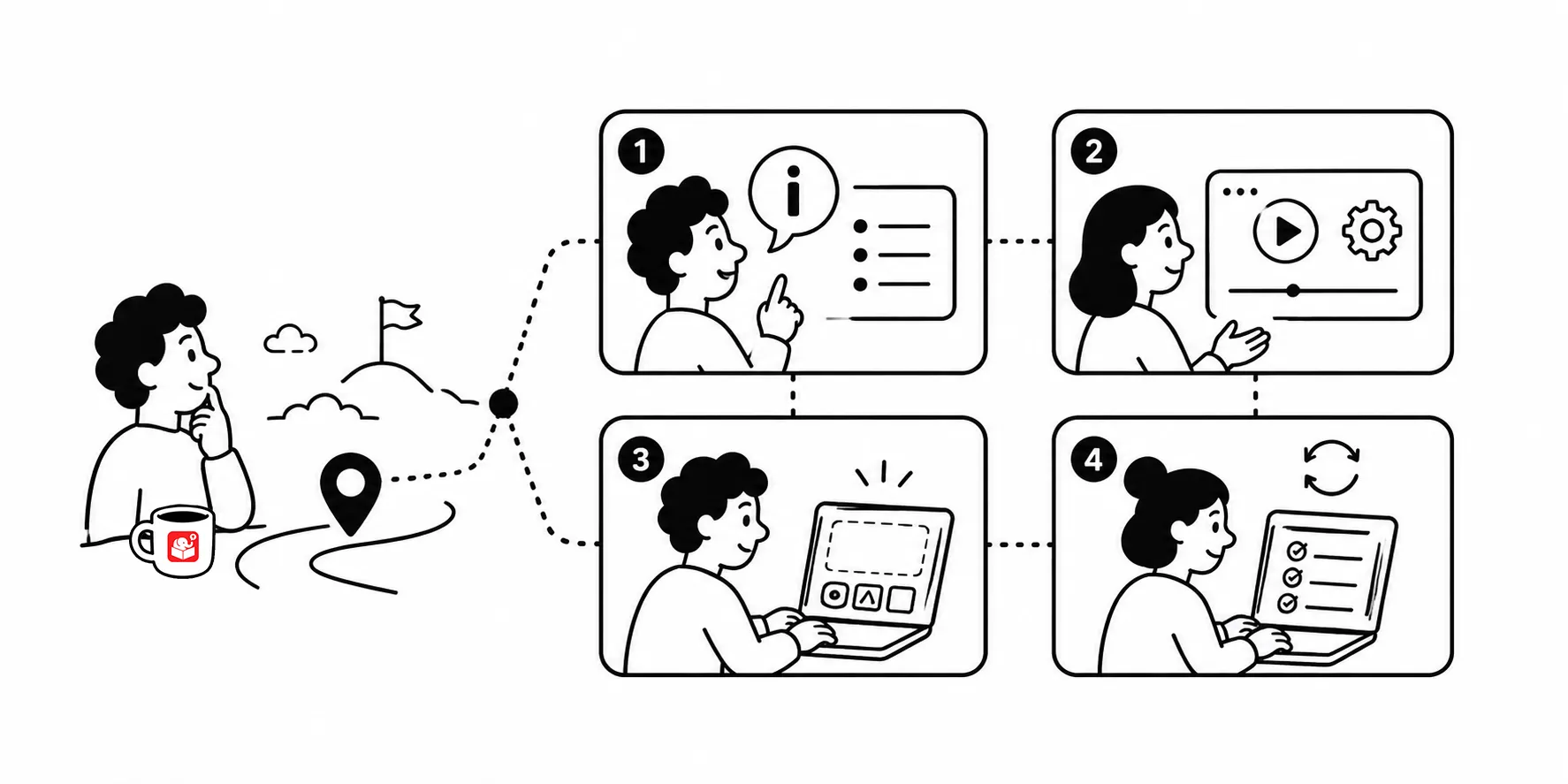
A 5-Step Framework for Training That Actually Sticks
Most e-learning stops at content delivery. The Tell, Show, Do model helps steer courses toward action, but the real gains come from…
-
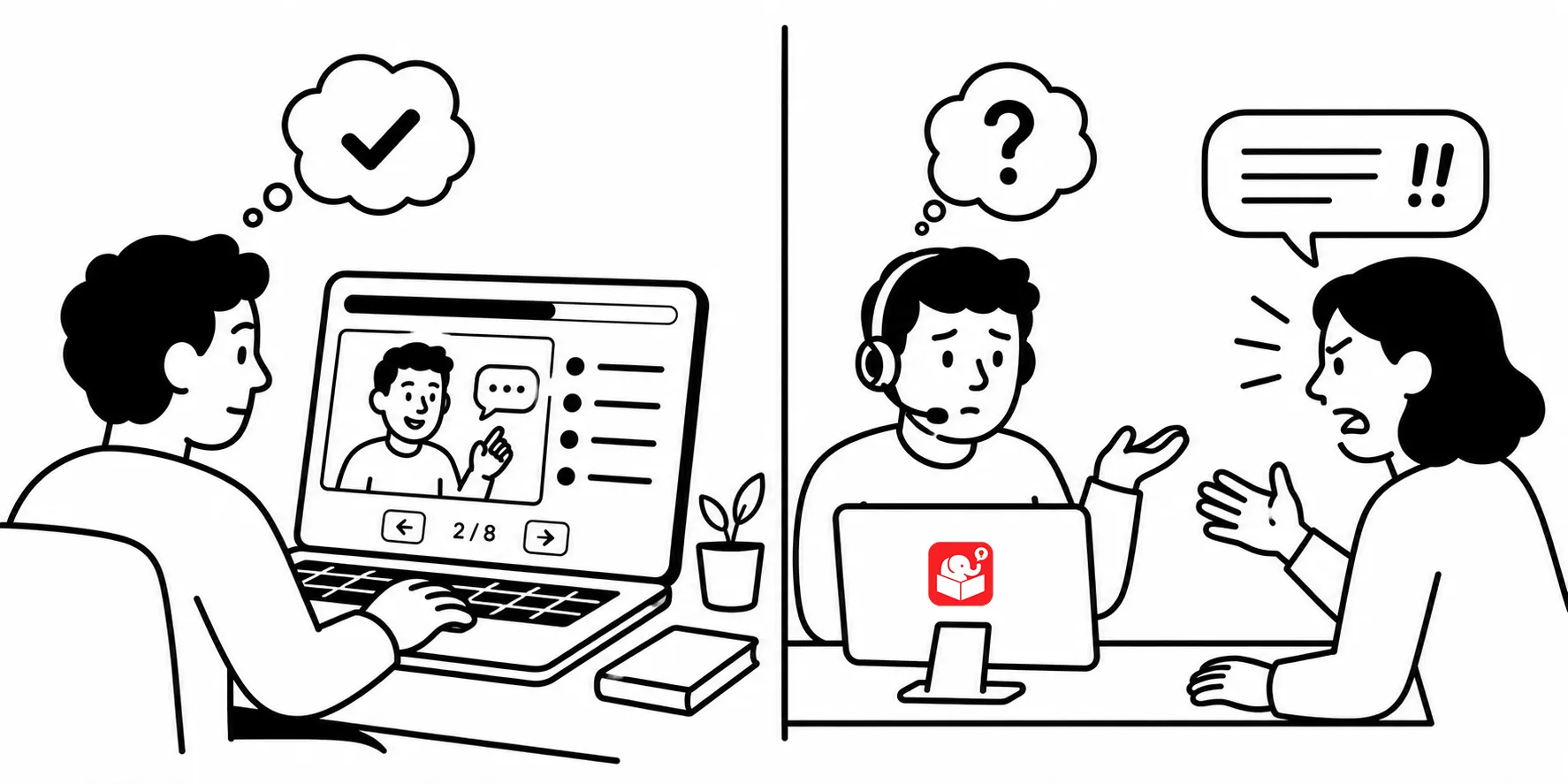
Your E-Learning Course Is Not a Training Program
Most organizations treat the e-learning course like the training program. It isn’t. People learn all year long, through experience, peers, managers, and…