Physical Address
304 North Cardinal St.
Dorchester Center, MA 02124
Physical Address
304 North Cardinal St.
Dorchester Center, MA 02124
Helpful ideas. Squeaky value.
Helpful ideas. Squeaky value.
Everything about creating online training and courses, from the thinking behind good instruction to the tools and tricks used to build it.
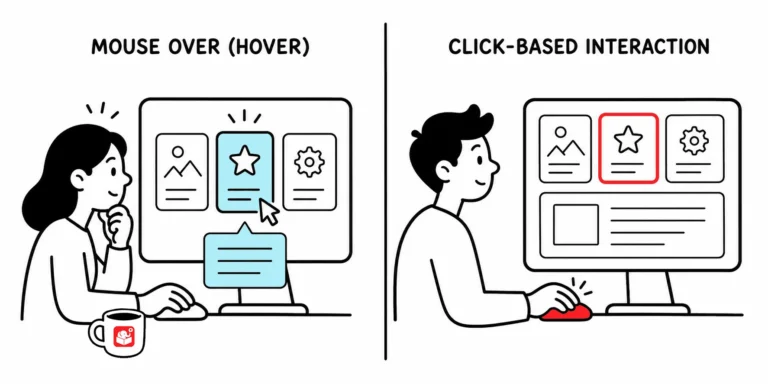
Mouseover interactions feel familiar, but mobile screens and accessibility standards are making them harder to justify. Here's why click-based design makes more sense for most new courses, and how to spot which of your hover interactions could easily become clicks.
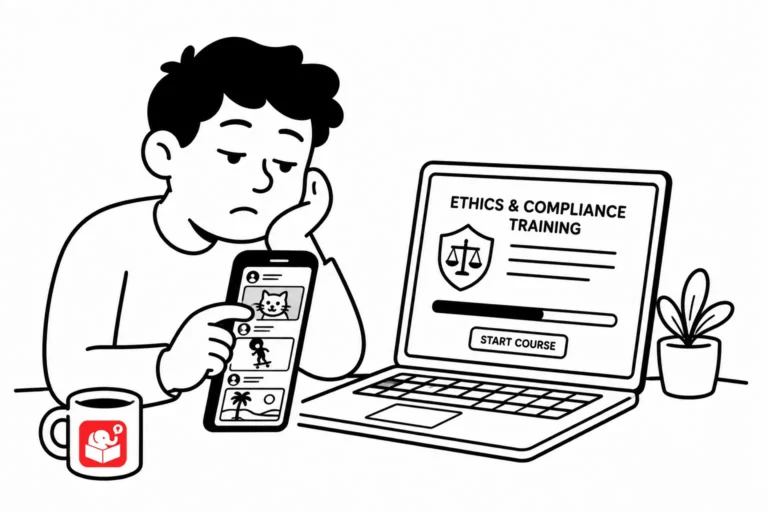
People don't read online the way they used to, they scan, skip around, and look for the parts that matter. Here's how to design courses that work with that instinct instead of fighting it, from surfacing key points to building in real-world connections.
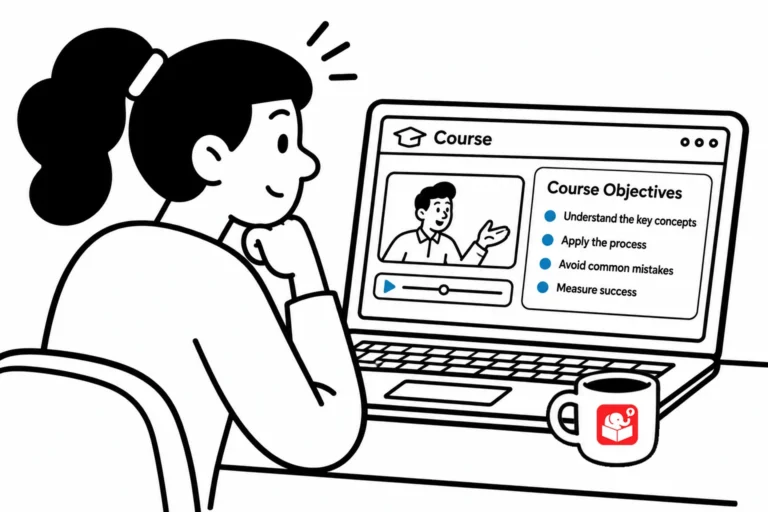
Most e-learning courses lead with a bulleted objectives screen that few learners read carefully. There's a better way to meet the requirement without losing the learner before the course even starts. This post covers two simple alternatives that reduce clutter and keep things moving.
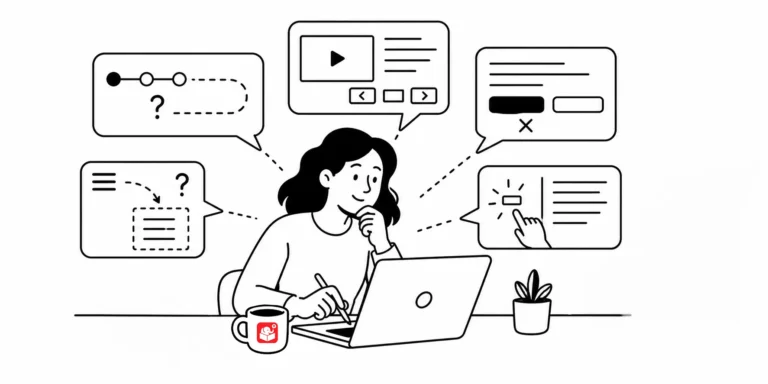
When a learner has to stop and think about how to interact with your course, you've already lost some of their attention. Small navigation and design inconsistencies compound quickly. These four habits help you spot and prevent the most common usability problems.
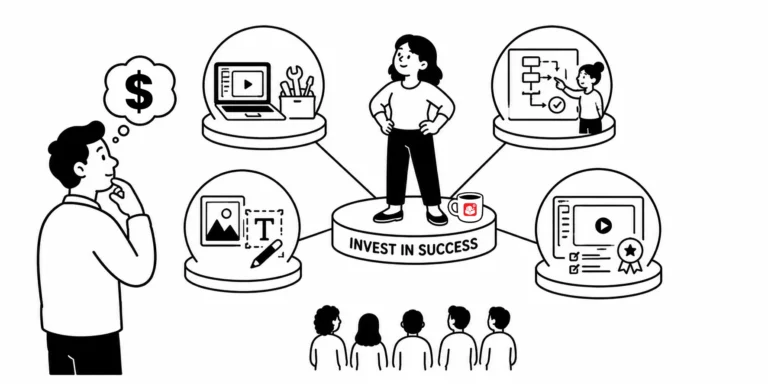
Organizations often expect performance gains from a small training investment, then blame the tool or the team when results don't show up. Here's why that gap exists, the range of skills good e-learning actually requires, and why knowing whether you're building a compliance course or a performance course changes everything.
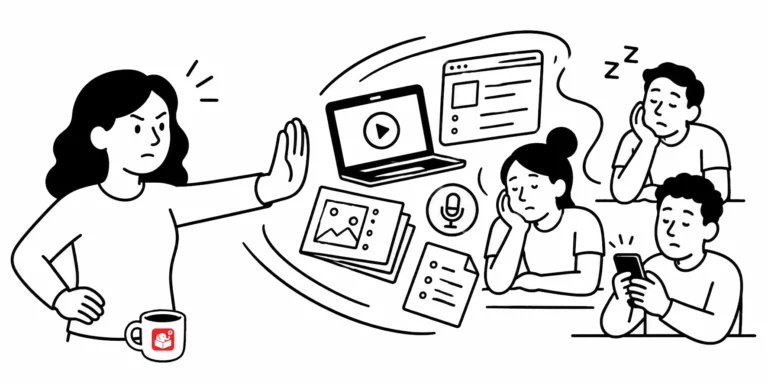
Nobody buys baby shower gifts because they got an email about a moose. And nobody learns from a course that has nothing to do with their real work. Here are three ways to close that gap and build training that actually sticks.
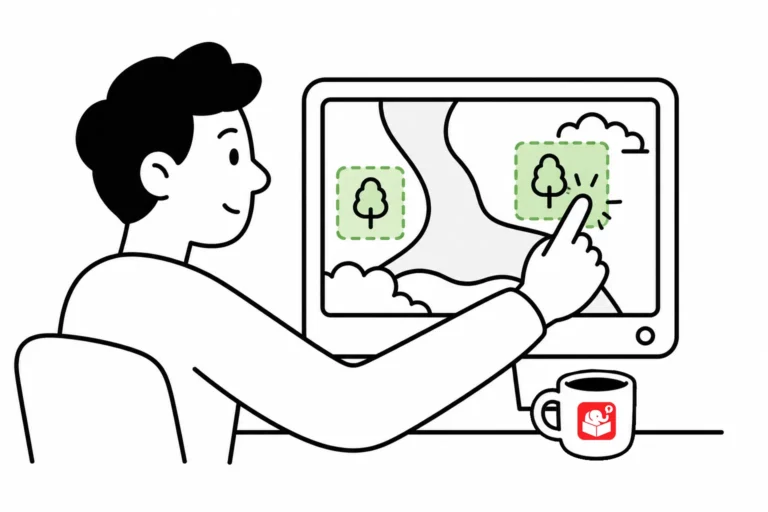
Interactive hotspots do more than trigger clicks. Use them as invisible buttons to speed up production, or as barriers that block interaction with what's underneath. Here are three ways to put them to work in your next course.
Years ago, a lot of people needed basic elearning help and there wasn't much out there for them. The tools have changed, AI is everywhere, but the need to build good courses hasn't gone anywhere. Here's what's new, what's carried over, and what you can grab for free.
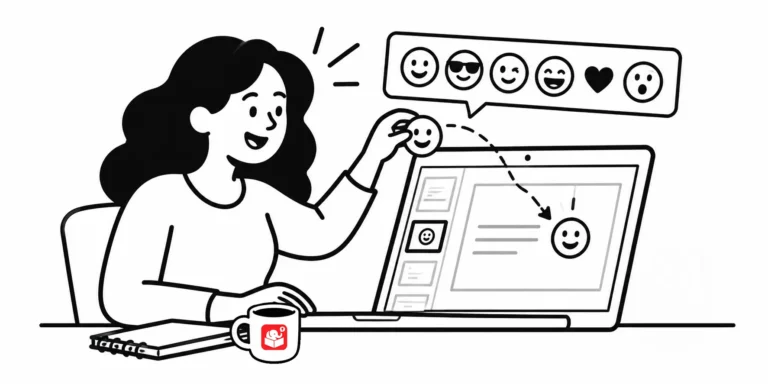
Emojis can add a clever visual cue to your course, if you can actually find and insert them. Here are three simple ways to get emojis into your slides, no design software required.
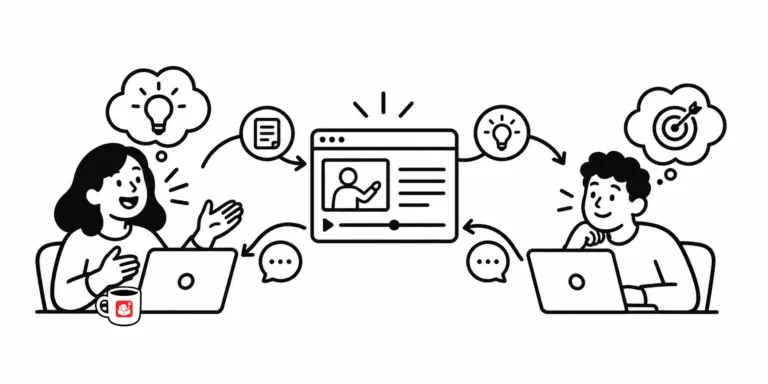
One course rarely fits every learner. Here's why differences in experience, skill level, and motivation trip up your course design, and a few practical ways to design around them.
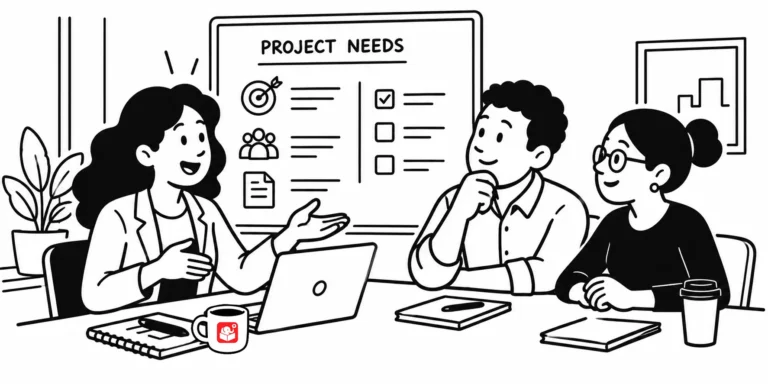
Why good courses fail for the wrong reasons Here’s a problem I’ve run into quite a few times. I spend three months working on a project. Right before it goes live, the proud customer invites her boss to look at…
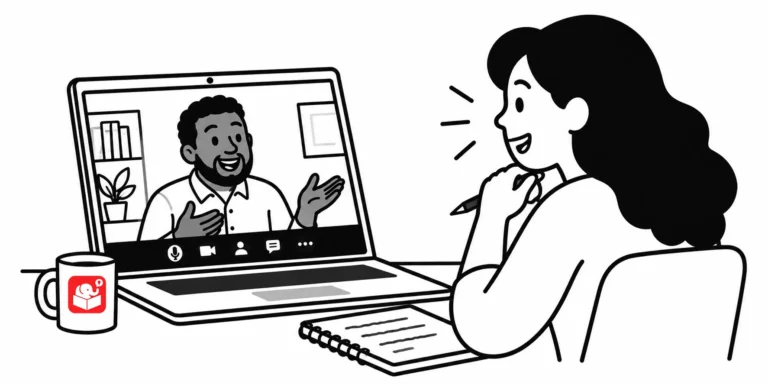
Dialogue is one of the most powerful learning tools we have. But most e-learning courses skip it entirely. Here are three ways to add real conversation to your next course.