Physical Address
304 North Cardinal St.
Dorchester Center, MA 02124
Physical Address
304 North Cardinal St.
Dorchester Center, MA 02124
Helpful ideas. Squeaky value.
Helpful ideas. Squeaky value.


Most e-learning projects go sideways before the first slide is built. The problem usually isn't the design. It's what didn't get sorted out at the start. This post covers the discovery work that protects your project, and how to use AI in that process without ending up with content that sounds like it came from nowhere.

Leslie Robinson's comedy video about mandatory training went viral for a reason. The comment section turned into a catalog of every broken e-learning pattern. It's worth reading as a design checklist.

Your learners' brains have a built-in limit on how much they can process at once. When you design without that in mind, the course feels hard in the wrong way. Here's what cognitive load is and why it matters for the courses you build.

You can build a technically solid course and still miss the mark completely. It happens when you design based on what you think learners need instead of what they actually face. Here are eight things to watch for before you start building.
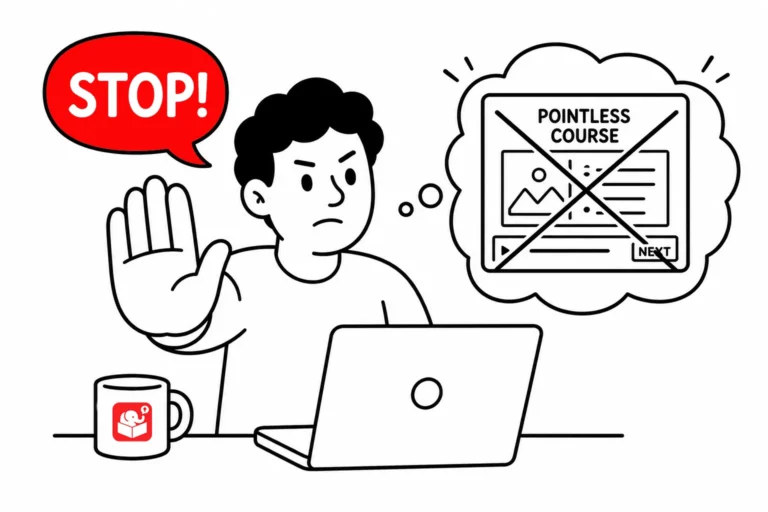
Every training request that comes in costs time and budget to fulfill. But not all of them actually need a course. Three strategies can help you do less without delivering less.
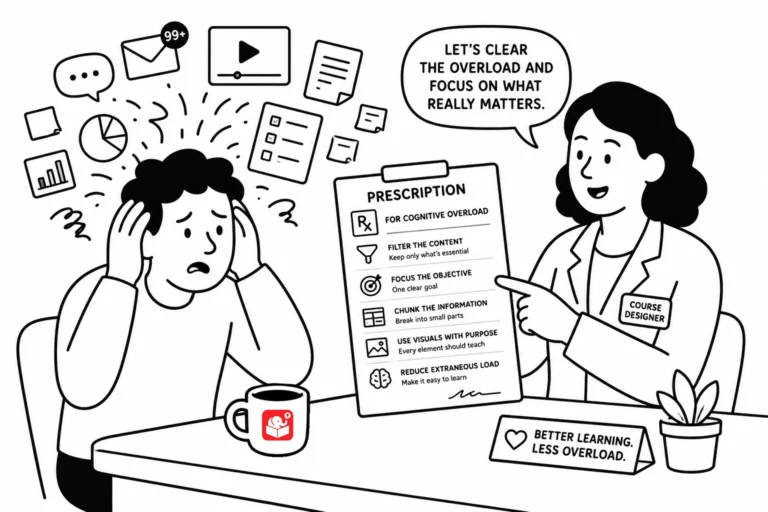
Good course design isn't about adding more. It's about removing the stuff that gets in the way of learning. Here are a few practical things to keep in mind when cognitive load is working against your learners.

A portfolio isn't just a nice-to-have — it's the thing that gets you the interview. This post covers what to put in yours, how to organize it, and how to use it to build your reputation in the e-learning community.

10+ free black and white characters. Includes hundreds of poses and transparent backgrounds.

Building an e-learning portfolio sounds like a big undertaking. But it doesn't have to be. The right approach depends on what you want your portfolio to actually do.
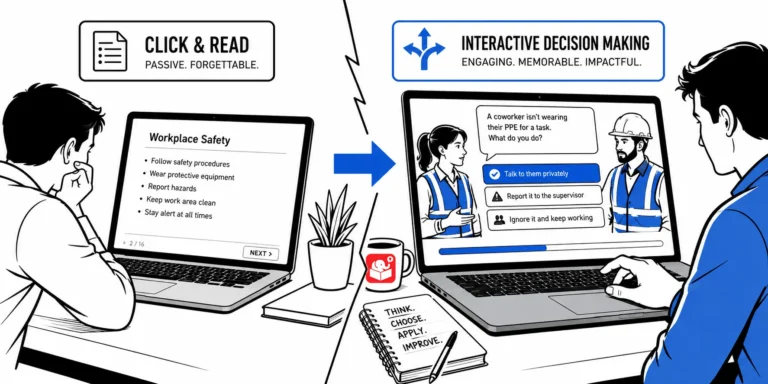
Most e-learning courses push information and call it training. The 3C model exists to fix that. It's a simple structure for building scenarios that put learners in real situations and let them practice making decisions.