Physical Address
304 North Cardinal St.
Dorchester Center, MA 02124
Physical Address
304 North Cardinal St.
Dorchester Center, MA 02124
Helpful ideas. Squeaky value.
Helpful ideas. Squeaky value.

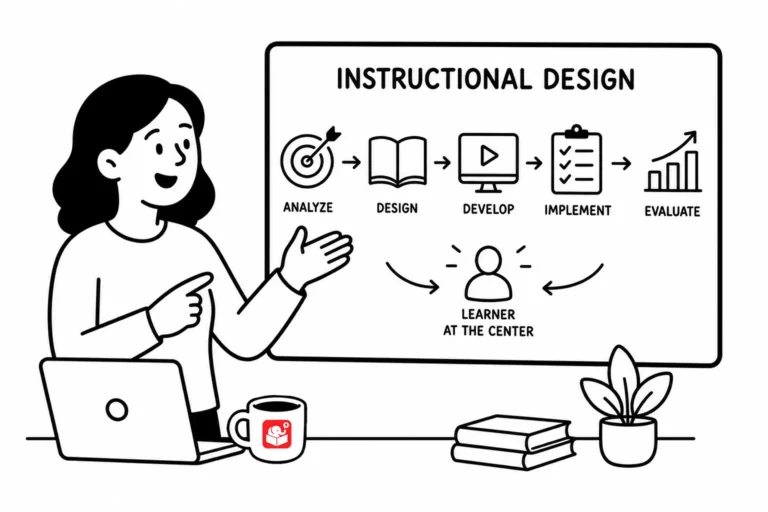
Someone emailed me a question I've been asked a lot: what is the role of the instructional designer, and how do you explain it to clients and SMEs? An awareness test video I stumbled across does a better job answering that question than any explanation I could write.

Most e-learning developers work alone, with no mentor nearby and no peer group to push their thinking. Getting better doesn't just depend on the tool you use. The fastest path to real growth is community, and this post breaks down five practical ways to get plugged in.
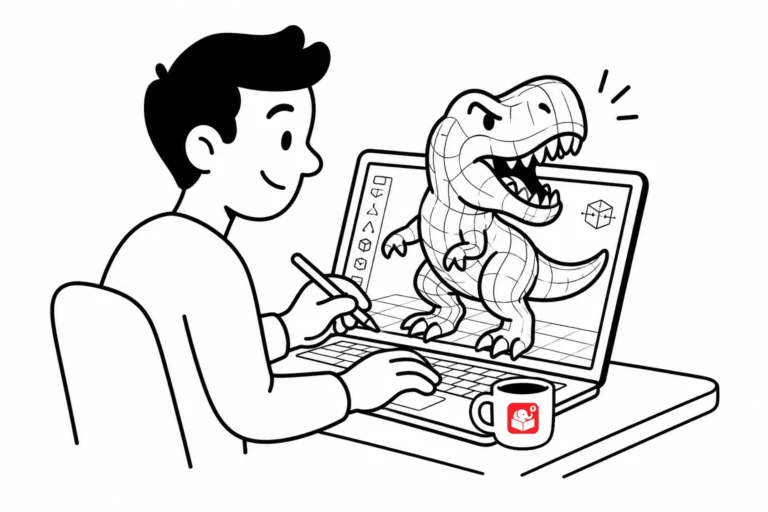
Want to add slick 3D animation to your course without touching a video editor? This tutorial shows how to insert a 3D model in PowerPoint and animate it with the morph transition. Then save it as a video you can drop right into Storyline.

Building courses in isolation limits what you can learn. The e-learning community offers something your org chart can't: people working through the same problems you are. Here's what they've taught me.
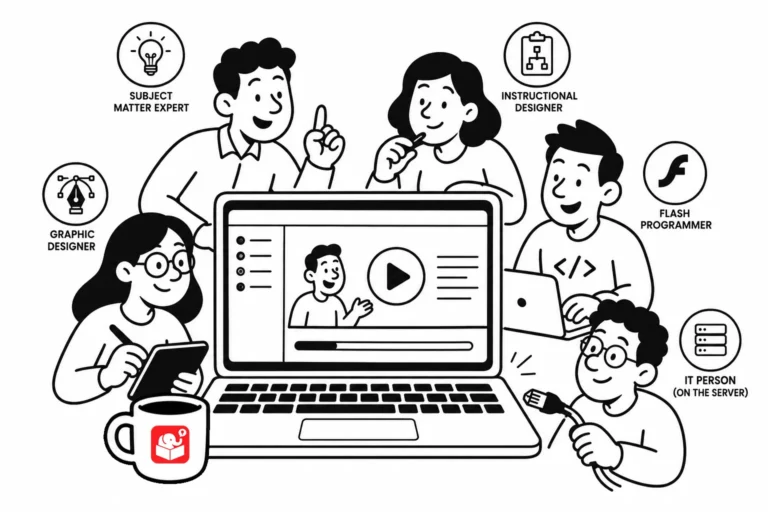
Great e-learning doesn't happen in a vacuum. Even the most independent developer relies on a network of people to deliver a course that works. Here's a breakdown of who those people are and what they each bring to the project.
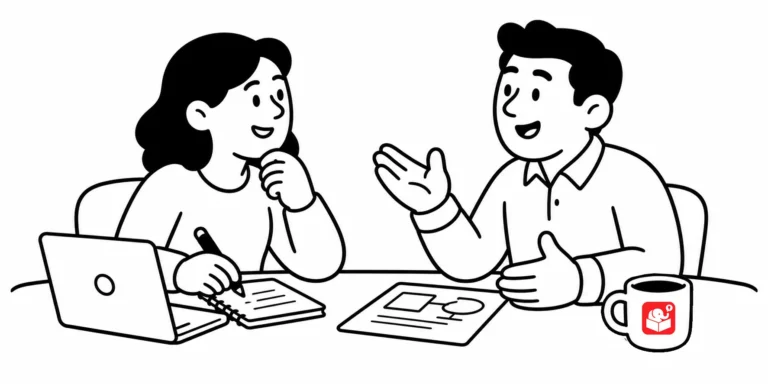
Most course developers struggle to get what they need from subject matter experts. It's not a content problem — it's a relationship problem. Here's how to fix it before the project goes sideways.
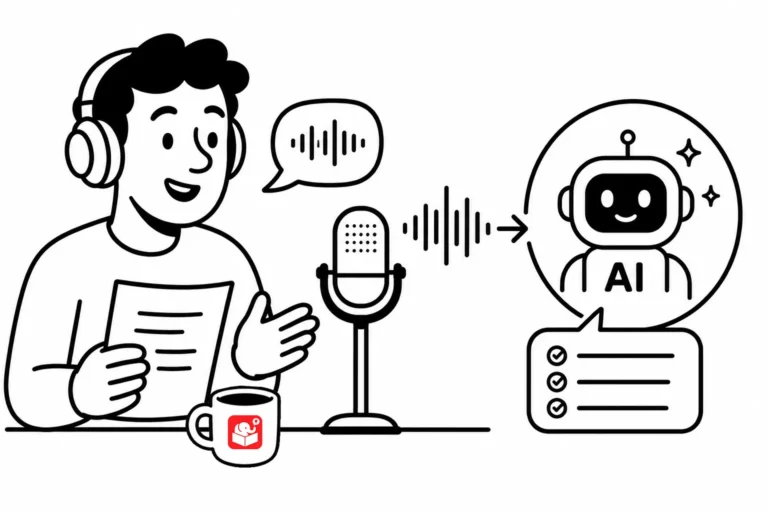
AI voices have gotten so good that most course developers skip the debate entirely and just use them. But there are still situations where a real human narrator is worth the cost. Here's how to think through the decision.
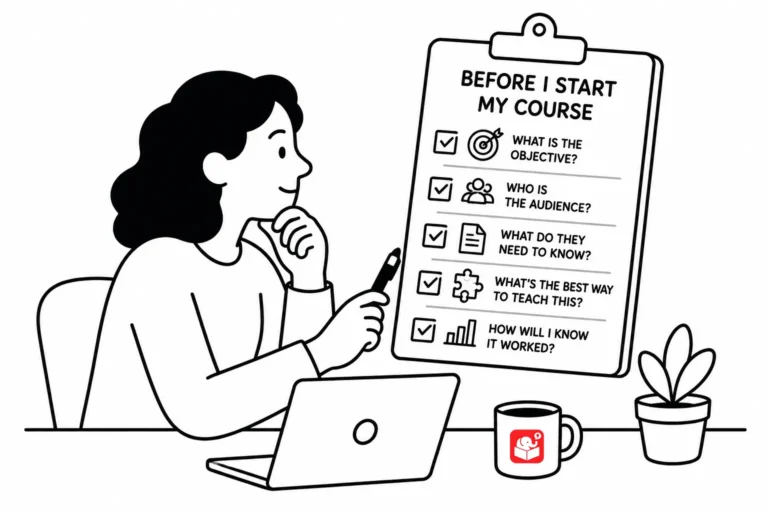
Before you build anything, there are a handful of questions worth asking. Getting clear on them upfront saves a lot of rework later.
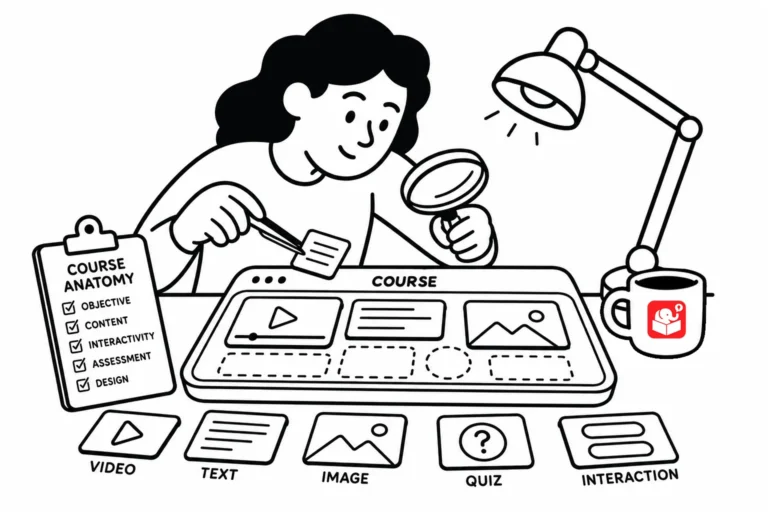
The fastest way to level up your e-learning design is to pick a course you admire, take it apart, and try to build it. This post covers why that works and what you learn in the process.
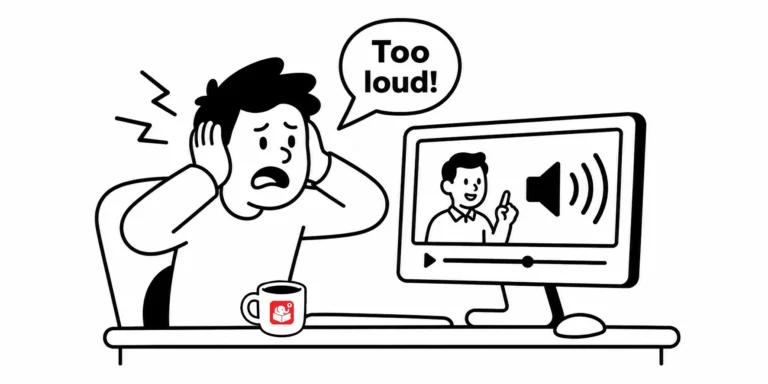
Ask whether the audio choices, or the silence, match the context and the content. If you're building a scenario-based course, try adding ambient audio to one scene and see how it feels. Sound is a design choice like any other. Make it on purpose.