Physical Address
304 North Cardinal St.
Dorchester Center, MA 02124
Physical Address
304 North Cardinal St.
Dorchester Center, MA 02124
Helpful ideas. Squeaky value.
Helpful ideas. Squeaky value.


Working with subject matter experts can make or break your training project. Here are practical tips for setting clear expectations and managing the relationship so your project stays on track.

Strong e-learning careers are built on more than technical skill. The designers who last manage expectations, stay goal-focused, and tell the story of their work. Start with one or two of these habits and build from there.
Most course authors build linear slides and stop there. Variables let you collect learner input, evaluate decisions, and send learners down different paths. They're not as complicated as they sound, and this post shows you where to begin.

Here's an excerpt:
Learners can feel just as lost starting a new course as you do navigating a foreign train station. Here's how to set clear expectations, provide an orientation, and keep the experience consistent so your learners feel comfortable from the start.
There's a pattern that shows up in almost every e-learning course. It follows objectives, content, and a quiz, then repeats. That structure works sometimes, but it often leaves a gap between what learners see and what they need to do.
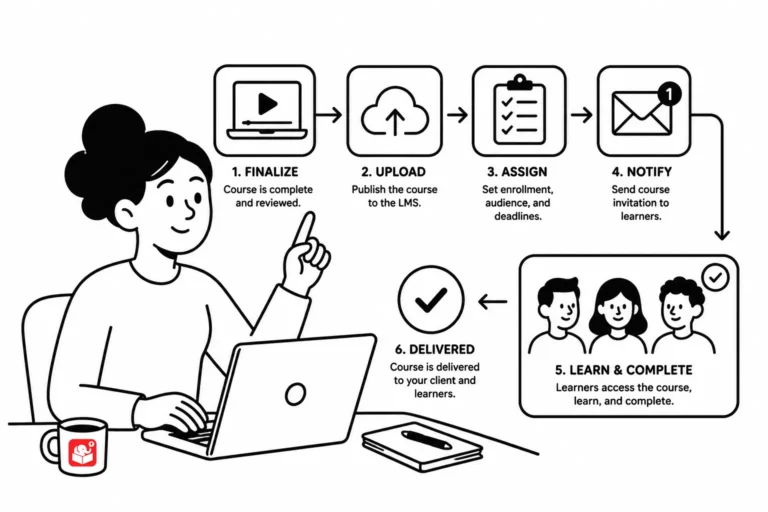
The client approved the course, and it's ready to upload. But who's distributing it, who's checking if it works, and who's keeping it current six months from now? These questions are easier to answer before launch than after.
A lot of drag and drop problems come from decisions that weren't made before building started. Knowing your interaction type, how you'll mark targets, and how you'll give feedback will save you a lot of rework.
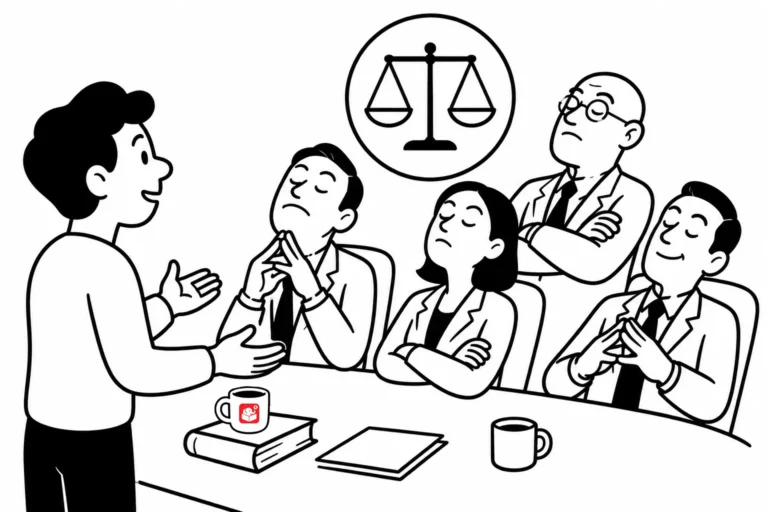
Most compliance training is designed around assumptions about what regulations require, not what the regulations actually say. Here's how to build something better.
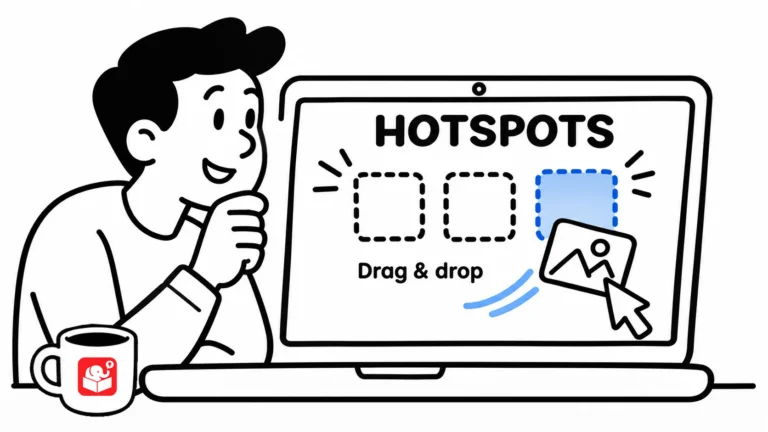
Most drag and drop interactions leave learners wondering what to do when they drop something in the wrong place. Hotspots offer a cleaner solution. They can provide feedback and give you precise control over where objects land.
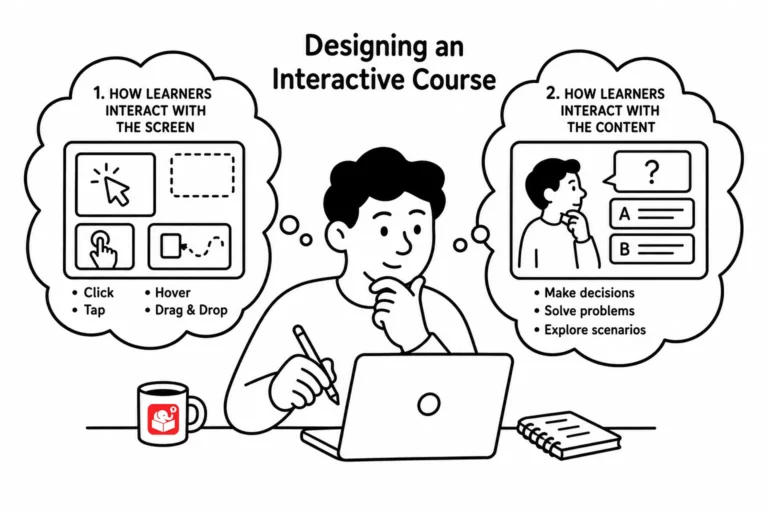
Ask a client what "interactive" means and you'll get answers like hover effects and animated buttons. Those matter, but they're only half the picture. True interactivity happens in two places: on the screen and inside the learner's head.